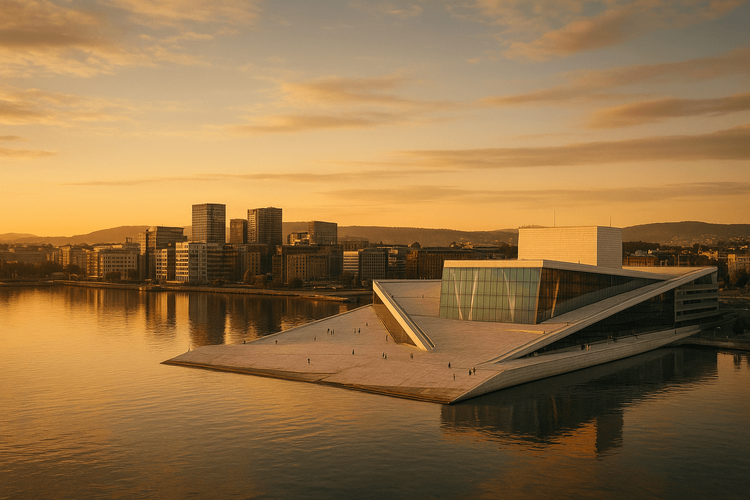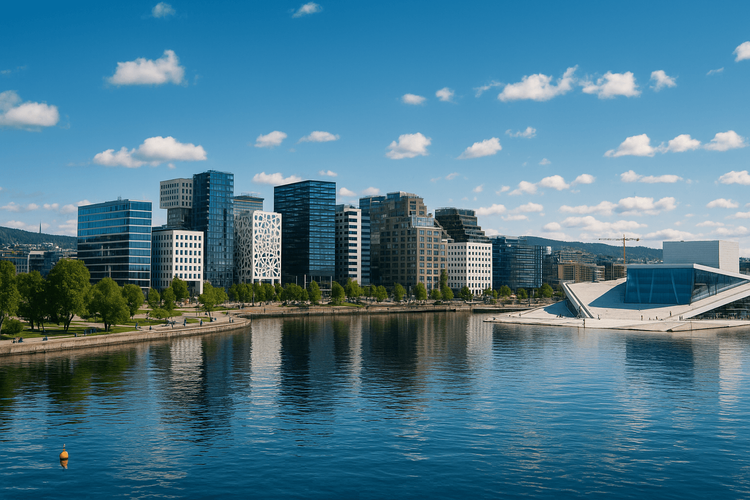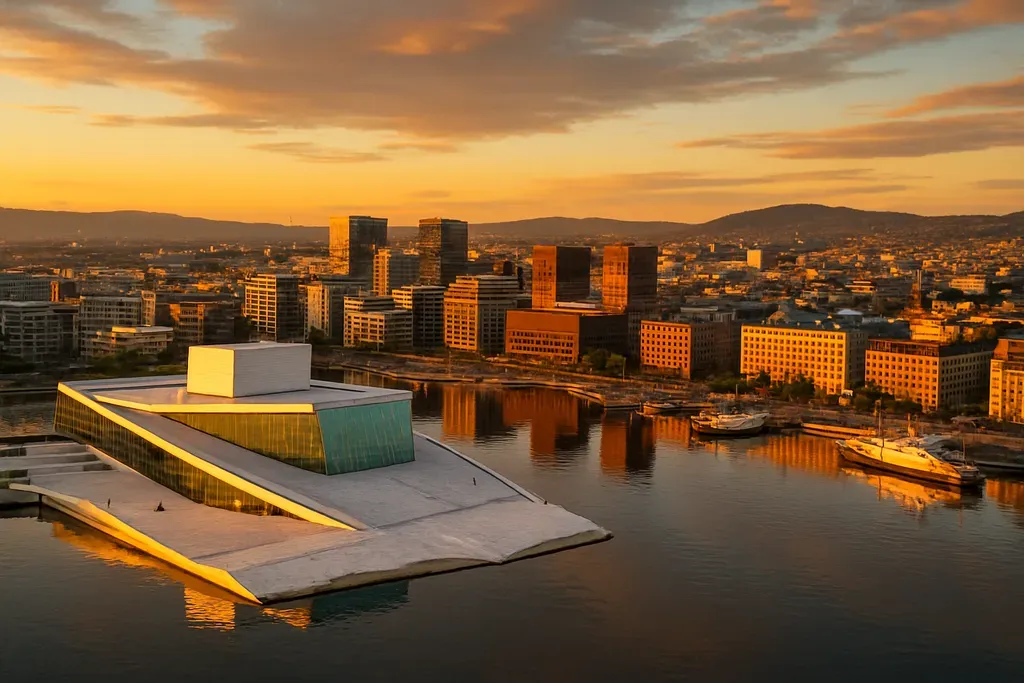
Oslo is the kind of capital that rewards curiosity. It is compact enough for a first-time visitor to understand quickly, yet layered enough to feel different on every street corner. If you are searching for norway oslo capital travel advice, you are probably looking for a city that combines culture, easy walking, fjord views, and a clear sense of Nordic identity. Oslo delivers exactly that.
Unlike many capitals that feel crowded and overwhelming, Oslo has space to breathe. You can move from the main boulevard to the waterfront, from a modern museum district to a wooded hilltop, and still feel like you are in one connected city. It is political, cultural, and economic Norway in one place, but it also feels deeply local: calm, orderly, design-conscious, and close to nature.
For first-time visitors, Oslo is an excellent introduction to Norway and a practical base for wider Nordic travel planning. If you want a broader context for the country before you arrive, you may also find this useful: Norge / Norway: A Practical Guide to the Norway Country for First-Time Visitors.
Why Oslo Matters as Norway’s Capital
Oslo is Norway’s capital, but it is more than a seat of government. It is the country’s main center for museums, architecture, business, public transportation, and everyday urban life. The city shows a strong Nordic balance: modern but not flashy, peaceful but not sleepy, sophisticated but still approachable.
For travelers, the phrase norway oslo capital is useful because Oslo is often the first city people visit when planning Norway. It is the natural starting point for understanding the country’s rhythm before continuing to fjords, mountains, or northern winter landscapes. Oslo offers a digestible introduction to Norwegian culture in a city that is easy to navigate and full of public spaces that encourage you to slow down.
It is also a city where urban life and outdoor access coexist beautifully. You can spend the morning in a museum, eat lunch by the harbor, walk through a sculpture park, and finish the day near the forest edge or looking out over the fjord. That combination is one of Oslo’s biggest strengths.
A Quick Overview of the City
Oslo sits at the inner end of the Oslofjord, which gives the city its waterfront character and its open, airy feel. The center is compact and easy to explore, while the outer districts and hills add variety without making the city difficult to understand.
A few areas are especially important for visitors:
- Sentrum: the central district, home to Karl Johans gate, Oslo Central Station, and many major sights.
- Aker Brygge: lively waterfront area with restaurants, promenades, and ferry access.
- Bjørvika: modern cultural waterfront, including the Oslo Opera House and the MUNCH museum.
- Grünerløkka: creative neighborhood with cafés, vintage shops, and a relaxed local atmosphere.
- Frogner: elegant residential district with parks, grand streets, and access to Vigeland Sculpture Park.
- Bygdøy: museum peninsula surrounded by water and green areas.
- Holmenkollen: hillside area known for views, ski history, and access to forest terrain.
Oslo changes with the seasons in a way that strongly shapes the visitor experience. Summer brings bright evenings, outdoor dining, and easy ferry trips on the fjord. Winter creates a quieter, snowier mood, with museums, warm cafés, and clean Nordic cityscapes taking center stage.
For most travelers, late spring through early autumn is the best time for outdoor exploring. Winter is ideal if you want museum time, crisp air, and the atmosphere of a Nordic capital in snow. Oslo also works well as part of a longer Nordic itinerary, especially if you are combining it with other destinations in Scandinavia or Finland.
From Medieval Town to Modern Capital
Oslo’s history stretches back to medieval times, when the city developed as a town of growing importance in Norway. Over the centuries, it became the country’s political heart, though it also suffered repeated fires that reshaped its built environment.
One of the most important turning points came after major destruction and rebuilding, when the city took on new urban form and stronger administrative importance. For a time, Oslo was known as Kristiania, a name that reflects a major historical era in the city’s development. Later, the original name Oslo was restored, reconnecting the modern capital to its older identity.
That layered history is part of what makes the city center so interesting today. Old and new architecture sit side by side rather than competing with one another. You can see medieval remnants, neoclassical government buildings, and contemporary waterfront design all within a relatively small area.
Two landmarks help connect that history to the present:
- Akershus Fortress, a medieval stronghold that has guarded Oslo for centuries.
- Oslo Cathedral, an important historic church in the center of the city.
These places remind visitors that Oslo is not only a modern capital, but also a city with a deep historical foundation.
Top Sights in Central Oslo
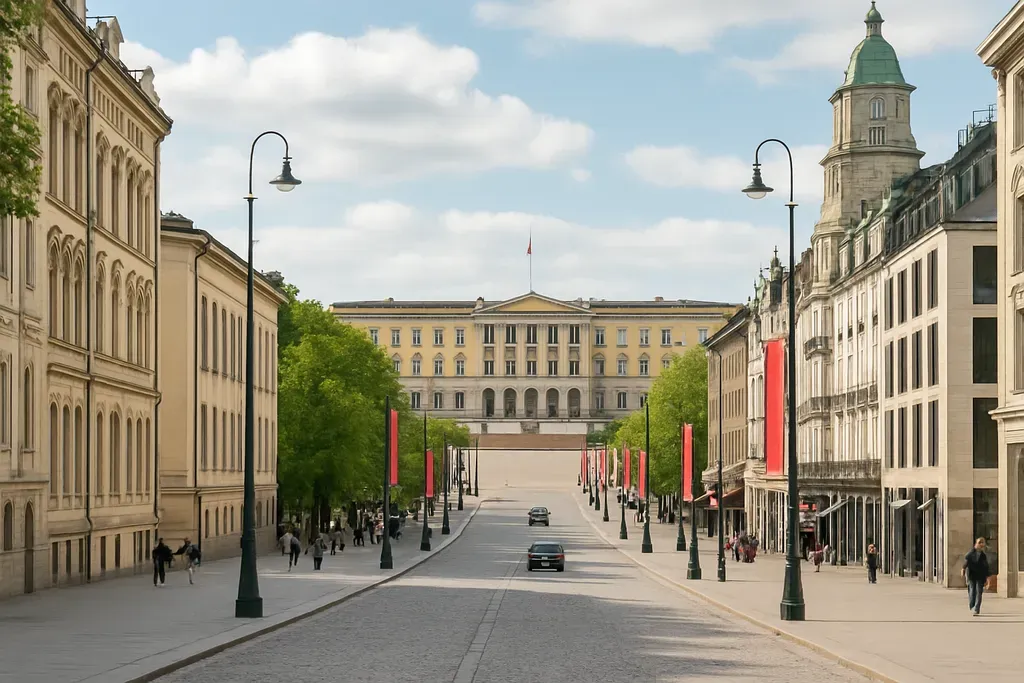
If it is your first time in the city, start with the classic central route. Oslo’s core is best explored on foot, and several major landmarks naturally connect with one another.
Karl Johans gate
This is Oslo’s main boulevard and one of the easiest ways to orient yourself. It stretches from Oslo Central Station toward the Royal Palace and passes shops, cafés, institutions, and public spaces along the way. Walking this street gives you a strong first impression of the capital.
The Royal Palace and surrounding parks
At the western end of Karl Johans gate, the Royal Palace area offers a graceful finish to the boulevard walk. The surrounding green space is one of the reasons Oslo feels so open and livable.
Parliament area
The Norwegian Parliament building sits in the central civic zone and helps define the city’s political core. The surrounding area is good for seeing Oslo as an administrative capital rather than only a tourist destination.
Oslo Cathedral
This is one of the city’s key historic buildings and a useful stop if you want a sense of older Oslo in the middle of the modern center.
Oslo City Hall
Known for its civic role and distinctive architecture, City Hall is another essential stop and one of the city’s best-known buildings.
Akershus Fortress
This historic site combines military, political, and scenic value. It also gives excellent views over the harbor and waterfront areas.
The Opera House and Bjørvika waterfront
No first visit to Oslo is complete without the modern waterfront. The Oslo Opera House is both an architectural landmark and a public space where locals walk, sit, and climb for views. The surrounding harbor promenade reflects the city’s contemporary identity and its connection to the fjord.
If you want a more focused city overview, this related guide can help: Oslo, Norway: A Nordic City Guide to Culture, Nature, and Easy Exploring.
Museums and Cultural Highlights
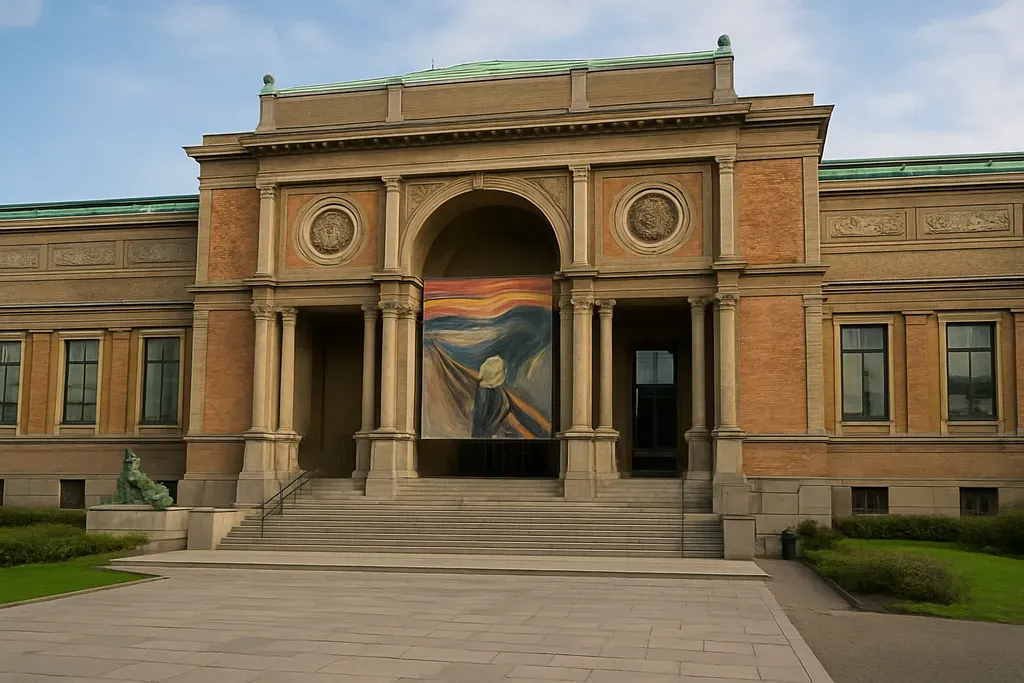
Oslo is one of the strongest museum cities in Scandinavia, especially for a capital of its size. It has an unusually rich cultural scene, with major institutions that appeal to art lovers, history enthusiasts, and design-minded travelers.
MUNCH
This is one of Oslo’s most important modern cultural attractions. The museum is a major stop for visitors interested in Norwegian art and broader Nordic creativity.
National Museum
A top priority for anyone interested in art, design, and national culture. It gives a broad and well-curated view of Norwegian artistic identity.
Nobel Peace Center
For travelers interested in peace history and the Norwegian perspective on global diplomacy, this is a meaningful and accessible museum.
Bygdøy museum cluster
Bygdøy is especially good for museum hopping. Two standout institutions are:
- Fram Museum, focused on polar exploration and Norway’s Arctic connections.
- Kon-Tiki Museum, which adds another layer of exploration history and travel story.
Oslo’s cultural character is especially interesting because it combines respected institutions with contemporary design, public art, and open civic spaces. You can experience a formal museum visit and then step immediately into a waterfront promenade or sculpture garden.
For official trip planning and attraction ideas, Visit Norway is a helpful starting point: Plan your trip to Oslo | Attractions, activities, things to do - Visit Norway.
Neighborhoods and Waterfront Areas to Explore
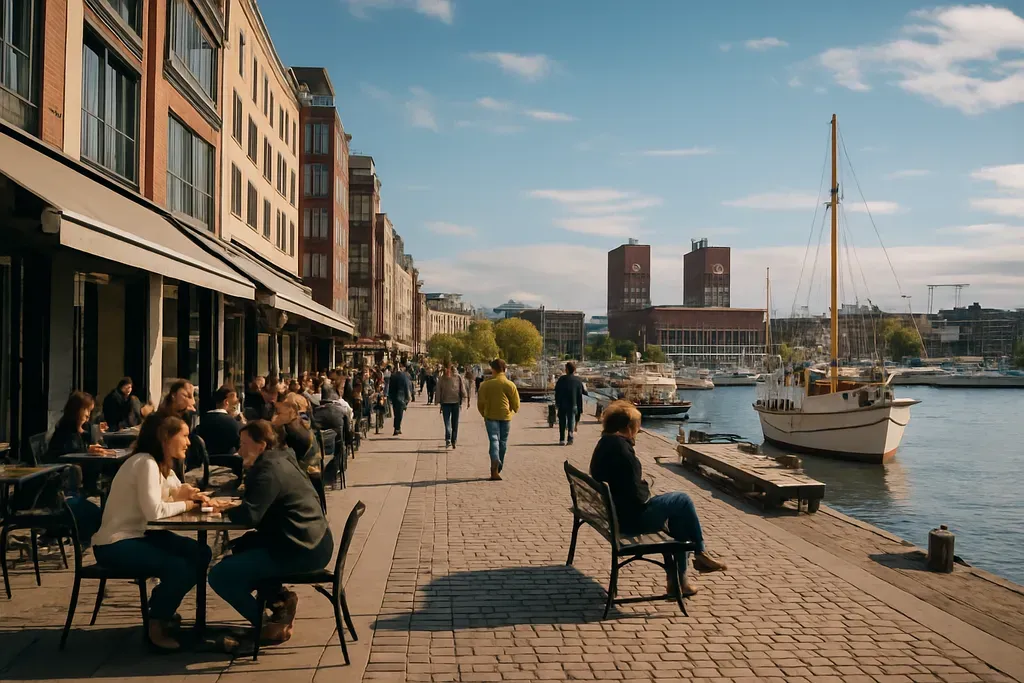
Beyond the center, Oslo becomes more atmospheric when you spend time in its neighborhoods and along the water.
Aker Brygge and Tjuvholmen
These waterfront areas are perfect for harbor views, relaxed dining, and evening walks. They are among the most popular places to watch the city settle into a slower rhythm after work.
Grünerløkka
This is Oslo’s creative, casual side. Expect cafés, small shops, leafy streets, and a local energy that feels younger and more informal than the central business district.
Frogner
Elegant streets, good parks, and proximity to major attractions make Frogner a rewarding neighborhood for visitors who like a calmer pace.
Bjørvika
This is the city’s modern waterfront district, where bold architecture and urban design shape the atmosphere. It is one of the clearest examples of Oslo’s contemporary transformation.
Ekebergparken
For wide views over the city and fjord, this hillside park is a strong addition to a first-time itinerary. It gives you a sense of Oslo’s geography and how closely the city relates to its natural surroundings.
Nature, Parks, and Outdoor Experiences in the Capital
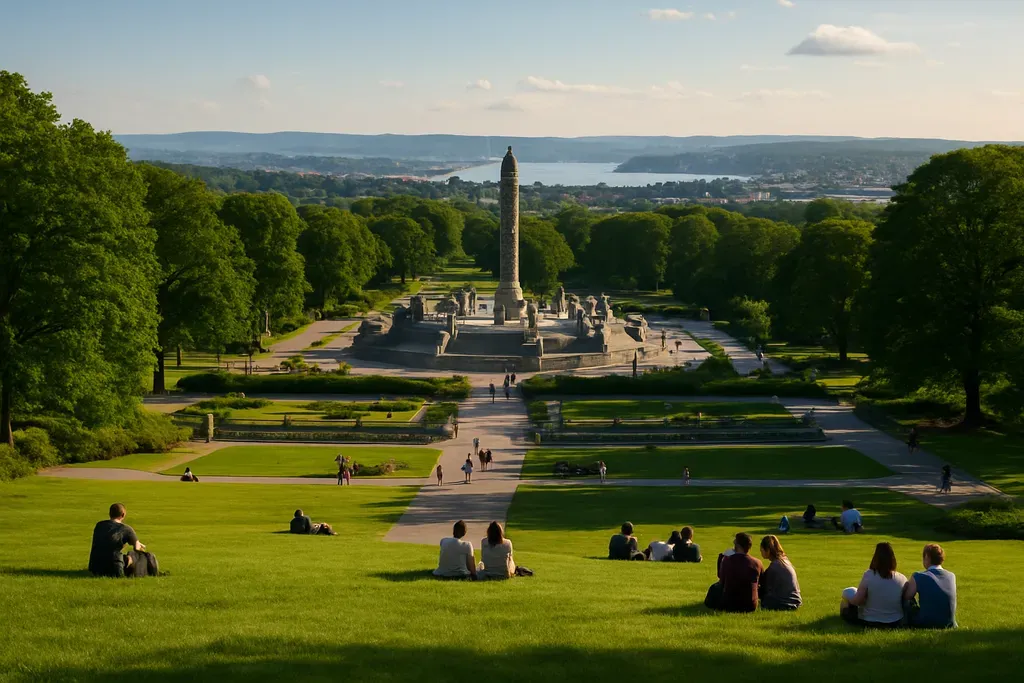
One of Oslo’s defining qualities is how close nature feels to the city center. You do not need to leave the capital area to experience forests, viewpoints, water, and green space.
Vigeland Sculpture Park
This is both a major art attraction and a huge public green space. It is one of Oslo’s most iconic places and a great example of how the city blends culture with outdoor living.
Oslofjord waterfront
The waterfront is ideal for walking, ferry rides, and summer relaxation. Even short time by the water can change the pace of your day.
Holmenkollen and Nordmarka
These areas show Oslo’s outdoor identity even more clearly. Holmenkollen is famous for ski history and views, while Nordmarka offers forest access and hiking opportunities that are surprisingly close to the city.
This is one of the reasons Oslo is such an appealing capital: you can combine a city break with easy outdoor experiences without planning a separate nature trip.
Where to Eat and What to Try
Oslo’s food scene is practical, seasonal, and increasingly varied. It may be expensive compared with many European cities, but it also offers a strong range of experiences, from simple cafés to refined Nordic dining.
Good things to try include:
- Fresh seafood
- Cinnamon buns
- Open-faced sandwiches
- Seasonal Norwegian dishes
- Coffee and pastries in local cafés
For a casual day, Oslo’s bakeries and lunch spots make it easy to eat well without a long sit-down meal. For a more elaborate evening, the city has excellent modern Nordic restaurants that focus on local ingredients and clean presentation.
A useful budgeting tip: dining in Oslo can be costly, so it helps to mix one nicer meal with simpler lunches, bakeries, or takeaway options.
How to Get Around Oslo
Oslo is one of the easiest capitals in the Nordic region to navigate.
The central area is very walkable, especially if your plan includes Karl Johans gate, the waterfront, and nearby museums. Beyond that, the city’s tram, bus, metro, and ferry network make it easy to reach different neighborhoods and scenic spots.
A public transport pass can be worthwhile if you plan to move between central attractions, museum areas, and viewpoint districts. Cycling is also common in warmer months, and walking remains the best way to enjoy the city’s core.
For arrivals, the airport train or airport bus makes reaching the center straightforward. Oslo’s rail connections also make it a practical starting point for broader Norway travel.
Sample Itineraries for First-Time Visitors
One-day Oslo plan
If you only have one day, focus on the essentials:
- Start at Oslo Central Station and walk Karl Johans gate.
- Visit the Parliament area and Royal Palace surroundings.
- Stop at Oslo Cathedral or Oslo City Hall.
- Head to Bjørvika for the Opera House and waterfront promenade.
- End with one museum, such as MUNCH or the Nobel Peace Center.
This gives you a strong overview of the capital without rushing too much.
Two-day Oslo plan
With two days, add a better balance of culture and outdoor space:
Day 1
- Central Oslo walk
- City Hall or Akershus Fortress
- Bjørvika waterfront
- MUNCH or National Museum
Day 2
- Bygdøy museums
- Frogner and Vigeland Sculpture Park
- Grünerløkka cafés or Aker Brygge evening stroll
- Optional Holmenkollen or Ekebergparken viewpoint
This pacing lets you avoid unnecessary backtracking and gives you both city and nature experiences.
If you want another planning perspective, you may also like: Oslo, Norway: The Practical Guide to Norway’s Capital for First-Time Visitors.
Practical Tips Before You Visit
The best time to visit depends on what you want most. Choose late spring to early autumn for outdoor walking, waterfront life, and long daylight hours. Choose winter for museums, snowy atmosphere, and quieter city scenes.
A few practical reminders:
- Pack for changing weather, especially wind and rain.
- Allow time for transport and fjord breezes.
- Book major museums and popular restaurants in advance when possible.
- Stay flexible if you are visiting in winter or during rainy periods.
Oslo is a safe, orderly, and welcoming capital, but it still feels like a real city. That means your trip works best when you leave room to pause, walk, and enjoy the atmosphere rather than trying to overpack each day.
Frequently Asked Questions About Oslo
Is Oslo the capital of Norway?
Yes. Oslo is Norway’s capital and its main political and cultural center.
What is Oslo best known for?
Oslo is known for its waterfront, museums, public art, and easy access to nature.
How many days do you need in Oslo?
Two to three days is ideal for first-time visitors, but even one full day gives you a good overview.
Is Oslo walkable?
Yes. The central areas are very walkable, and public transport makes the rest easy to reach.
What is the best area to stay in Oslo?
Many visitors choose the city center, Aker Brygge, Bjørvika, or Grünerløkka for convenience and atmosphere.
Can you see nature in Oslo without leaving the city?
Yes. Parks, the fjord, viewpoints, and forest areas are all close to the center.
Oslo is a capital that does not try too hard, and that is part of its charm. It feels distinctly Nordic in the best way: clean, calm, practical, and deeply connected to its surroundings. If you want a city that offers culture, waterfront scenery, and easy access to nature in one place, Norway’s capital deserves a spot at the top of your list.