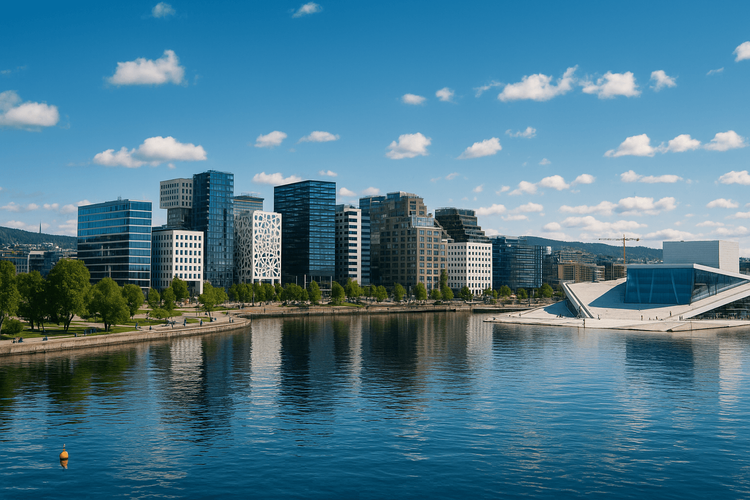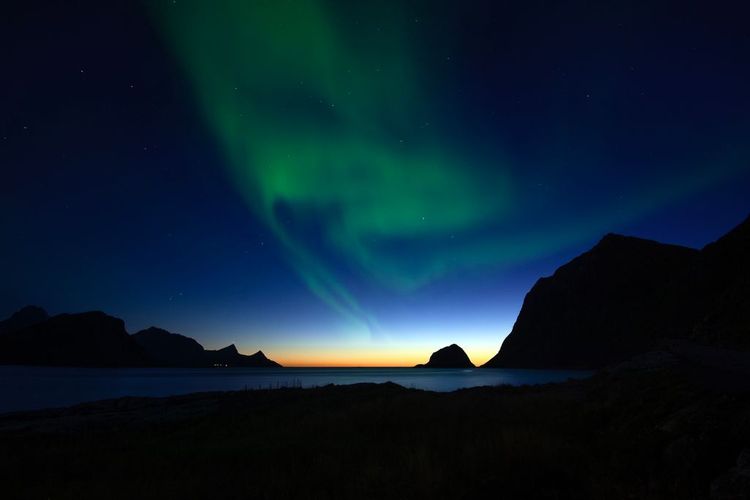
If you’re planning a Nordic city break, Oslo, Norway is one of the easiest capitals to love. It’s compact, modern, and surrounded by water, parks, and forested hills, which means you can move from museums and cafés to fjord views and walking trails in the same day. For travelers who want culture without the rush of a bigger metropolis, Oslo offers a calm and highly walkable experience that feels distinctly Scandinavian.
Oslo works especially well for a 2- to 3-day trip, but it can also be the first stop on a longer Norway itinerary or a gentle introduction to the Nordic region. The city has a clean, open feel, a strong public transport network, and plenty of places where you can slow down and enjoy the view. It’s the kind of destination that rewards simple travel: arrive, walk, eat well, visit a few great museums, and make time for the waterfront.
For a broader look at the Nordic region, you can also explore The Nordic Countries: Your Ultimate Travel Guide and Meaningful Travel with The Nordics.
Why Visit Oslo, Norway?
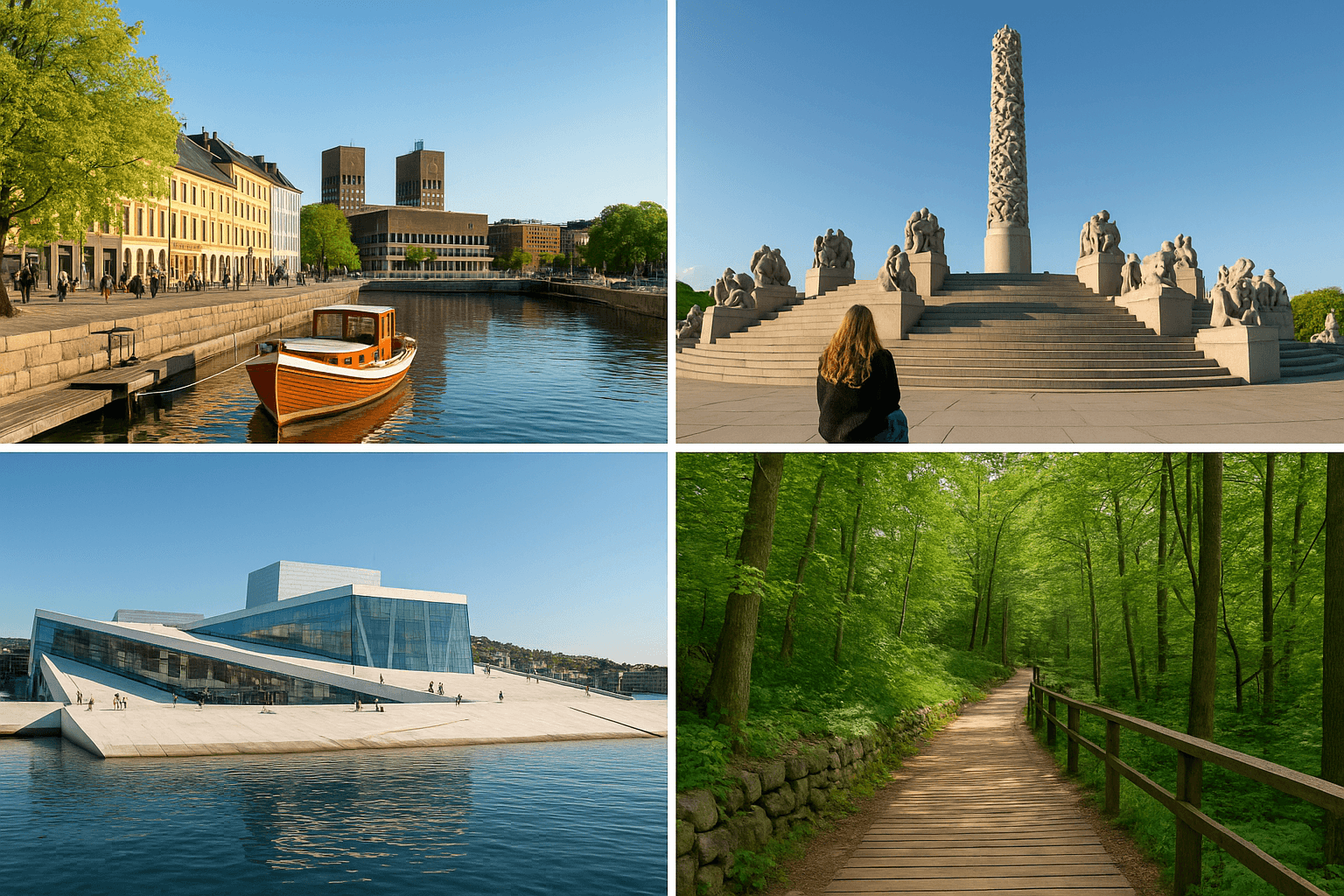
Oslo is a compact, modern capital with easy access to fjord views, museums, parks, and neighborhoods you can explore on foot. It’s a city that makes room for both urban life and nature, which is one of the reasons it stands out among Nordic capitals. You can spend the morning in a major museum, take an afternoon walk along the water, and end the day in a café or restaurant without needing a complicated transit plan.
What makes Oslo especially appealing is its balance. The city never feels far from the outdoors. Even in central districts, you’ll notice trees, public squares, waterfront paths, and a general sense that nature belongs in everyday life. That blend gives Oslo a calmer mood than many larger European capitals, and it’s a strong fit for travelers who want a trip that feels clean, organized, and easy to manage.
It also suits many different travel styles:
- a short city break
- a longer Norway trip
- a first-time Nordic itinerary
- a slow-paced visit with museums and scenic walks
If you’re already planning the wider country, take a look at Norge / Norway: A Practical Guide to the Norway Country for First-Time Visitors and Oslo, Norway: The Practical Guide to Norway’s Capital for First-Time Visitors.
Where Oslo Fits in the Nordic Region
Oslo is Norway’s capital and an important gateway to the country’s southern fjords, inland lakes, and forested trails. That location matters: Oslo feels urban, but the landscape around it quickly shifts into water, woodland, and open nature. In a Nordic travel context, it’s one of the easiest cities to combine with outdoor experiences.
Compared with other Nordic capitals, Oslo has a particularly close relationship with the landscape around it. The water is always present, and the city’s design often makes space for views, walking routes, and public access to the waterfront. Like other Nordic capitals, it reflects Scandinavian priorities such as functional design, public space, and easy access to transit. But Oslo has its own rhythm too: quieter than some capitals, slightly more spread out than others, and shaped strongly by the fjord.
It’s also worth noting that Oslo is a practical base if you’re planning a Norway-focused trip. You can arrive, explore the city, and then continue onward to the coast, mountains, or inland regions. For readers comparing Nordic destinations, Oslo is one of the most straightforward cities in the region to understand and navigate.
How to Get to Oslo and Move Around the City
Oslo is easy to reach and straightforward to navigate, which is one reason many visitors find it such a pleasant first stop in the Nordics.
Getting to Oslo
Most travelers arrive by air at Oslo’s main airport and then take a train, express transfer, or bus into the city center. The airport connection is usually simple and well signed, so it’s not a stressful arrival compared with many large capitals.
Getting around
Once in the city, you can rely on:
- Metro for longer cross-city trips
- Tram for central neighborhoods and scenic routes
- Bus for areas not covered as directly by tram or metro
- Ferry for waterfront and island connections
- Walking when you’re staying central
Walking is often the best way to experience Oslo’s core districts. Many attractions sit within a manageable distance of one another, and the city’s scale makes it ideal for travelers who like to explore at a relaxed pace.
Transit tip
Using a transit pass or contactless payment can make travel more convenient. If you’re planning multiple rides in a day, it’s worth checking whether a local pass makes sense for your itinerary. Oslo’s public transport is generally efficient, so it’s easy to move between districts without needing a car.
Best Time to Visit Oslo by Season
Oslo changes noticeably with the seasons, and each one has its own appeal.
Spring
Spring is a lovely time for city walks, with improving weather, brighter days, and a more comfortable atmosphere for sightseeing. Parks begin to feel lively again, and the waterfront becomes more inviting.
Summer
Summer is the easiest season for long daylight, outdoor dining, and waterfront exploring. It’s the best time for slow walks, ferry rides, and sitting outside with coffee or lunch. If you enjoy a city that feels active but not overwhelming, summer in Oslo is a strong choice.
Autumn
Autumn brings crisp air, colorful leaves, and quieter streets. It’s also a great museum season, since the weather is cooler and indoor attractions become especially appealing. For many travelers, autumn offers one of the most balanced Oslo experiences.
Winter
Winter gives Oslo a classic Nordic city atmosphere. Expect cold weather, cozy cafés, snow-covered parks, and a slower pace. It’s a good season if you enjoy atmospheric city breaks, but you should dress warmly and plan for shorter daylight hours.
Best overall advice: if your priority is outdoor sightseeing, summer is ideal. If you prefer fewer crowds and a more intimate city feel, spring and autumn are excellent. Winter is best for cozy Nordic charm.
Top Things to Do in Oslo for First-Time Visitors
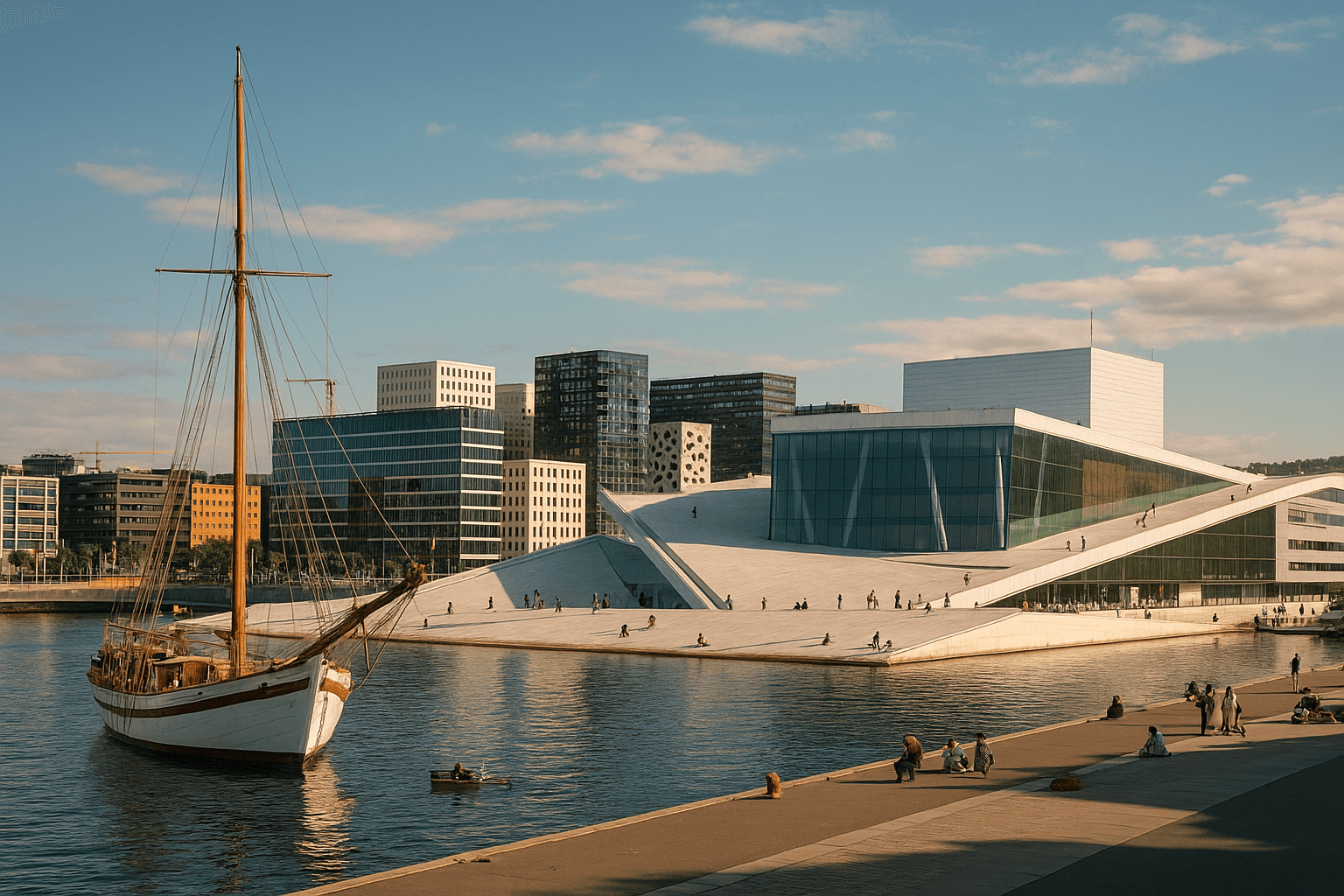
For a first visit to oslo norway, focus on a mix of waterfront, architecture, museums, and green space.
1. Explore the waterfront
Oslo’s waterfront is one of its defining features. It’s an easy place to begin your trip because it helps you orient yourself and understand the city’s relationship with the fjord.
2. Visit the Opera House area
The Opera House area is one of Oslo’s most iconic modern sights. Its sharp, architectural lines and public spaces make it a great place to walk, sit, and take in the view. The area also gives you a strong first impression of the city’s contemporary design language.
3. Spend time in the museums
Oslo has a strong museum culture, and first-time visitors usually find at least one or two that fit their interests. Whether you enjoy art, history, or maritime heritage, the museum scene gives the city real depth beyond its scenic beauty.
4. Take a walk in a park or green space
Oslo’s parks and public green spaces are part of its charm. They make the city feel open and breathable, and they’re a nice contrast to museum visits and central streets.
5. Find a viewpoint
A viewpoint helps you see how the city sits between land and water. Even a short walk uphill or to a higher public area can give you a better sense of the landscape around Oslo.
6. Book popular attractions ahead in busy periods
During peak travel times, it’s smart to reserve tickets for popular museums and headline attractions in advance. That can save you time and help you keep your itinerary flexible.
Best Neighborhoods and Areas to Explore
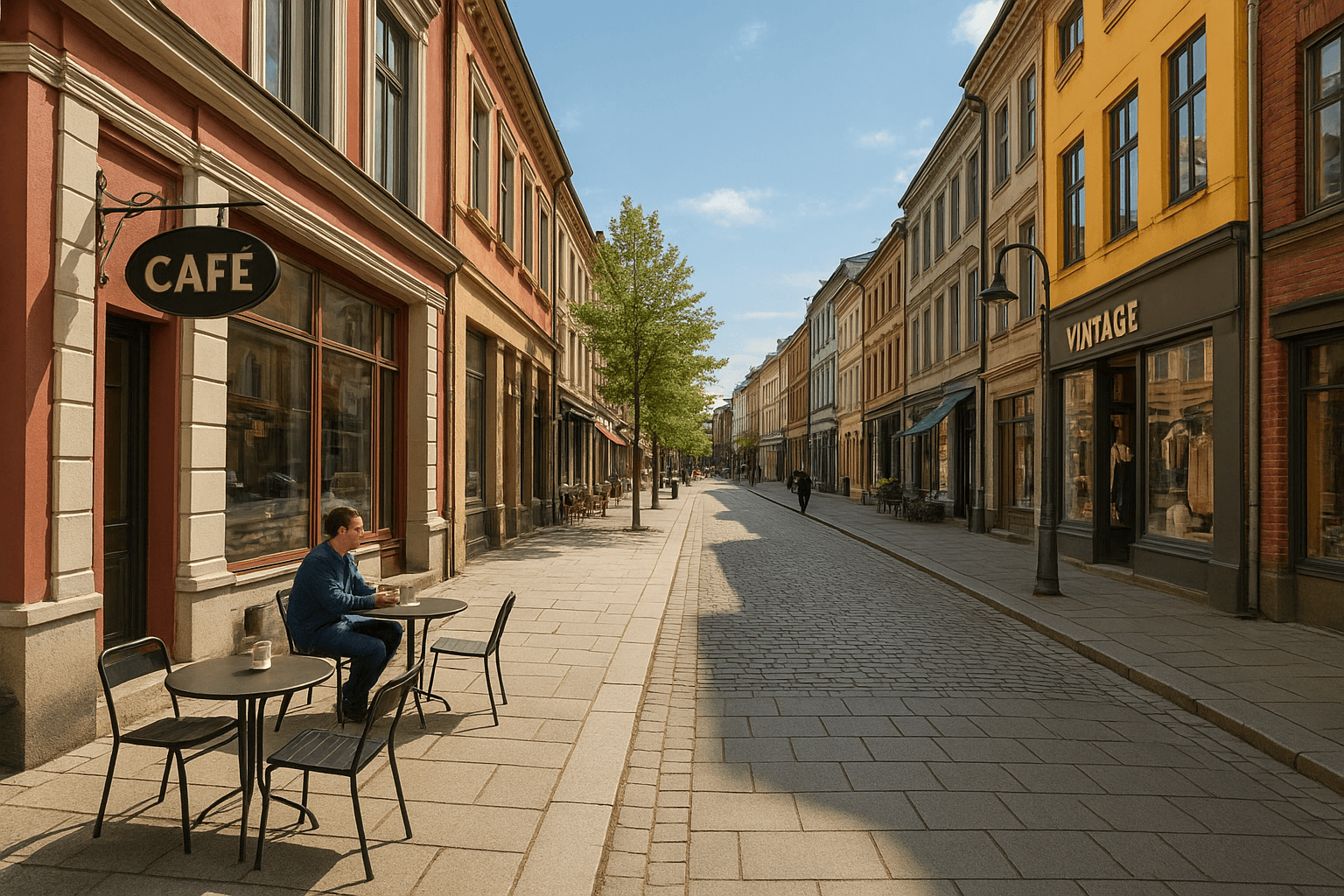
Oslo is easy to enjoy in a short stay, especially if you focus on a few central areas.
Sentrum
This is the most practical area for first-time visitors. You’ll be close to major sights, the waterfront, transit, and several good cafés and hotels. It’s ideal if you want convenience and minimal travel time.
Aker Brygge and Tjuvholmen
These waterfront districts are excellent for a relaxed stroll. You’ll find promenades, modern architecture, dining options, and easy access to the harbor. This is one of the best places to enjoy Oslo’s relationship with the water.
Grünerløkka
If you want a more local-feeling district with cafés, creative energy, and a casual atmosphere, Grünerløkka is a good choice. It’s a practical area for food, browsing, and a slower city walk.
Frogner
Frogner offers a calmer, more residential feel, along with elegant streets and good access to some cultural stops. It works well if you want a neighborhood that feels polished but not overly busy.
Bygdøy
Bygdøy is a strong choice for museums and a more open, coastal feel. It’s not a nightlife district, but it’s one of the best areas for a culture-focused outing in a natural setting.
Food, Cafés, and Classic Norwegian Flavors
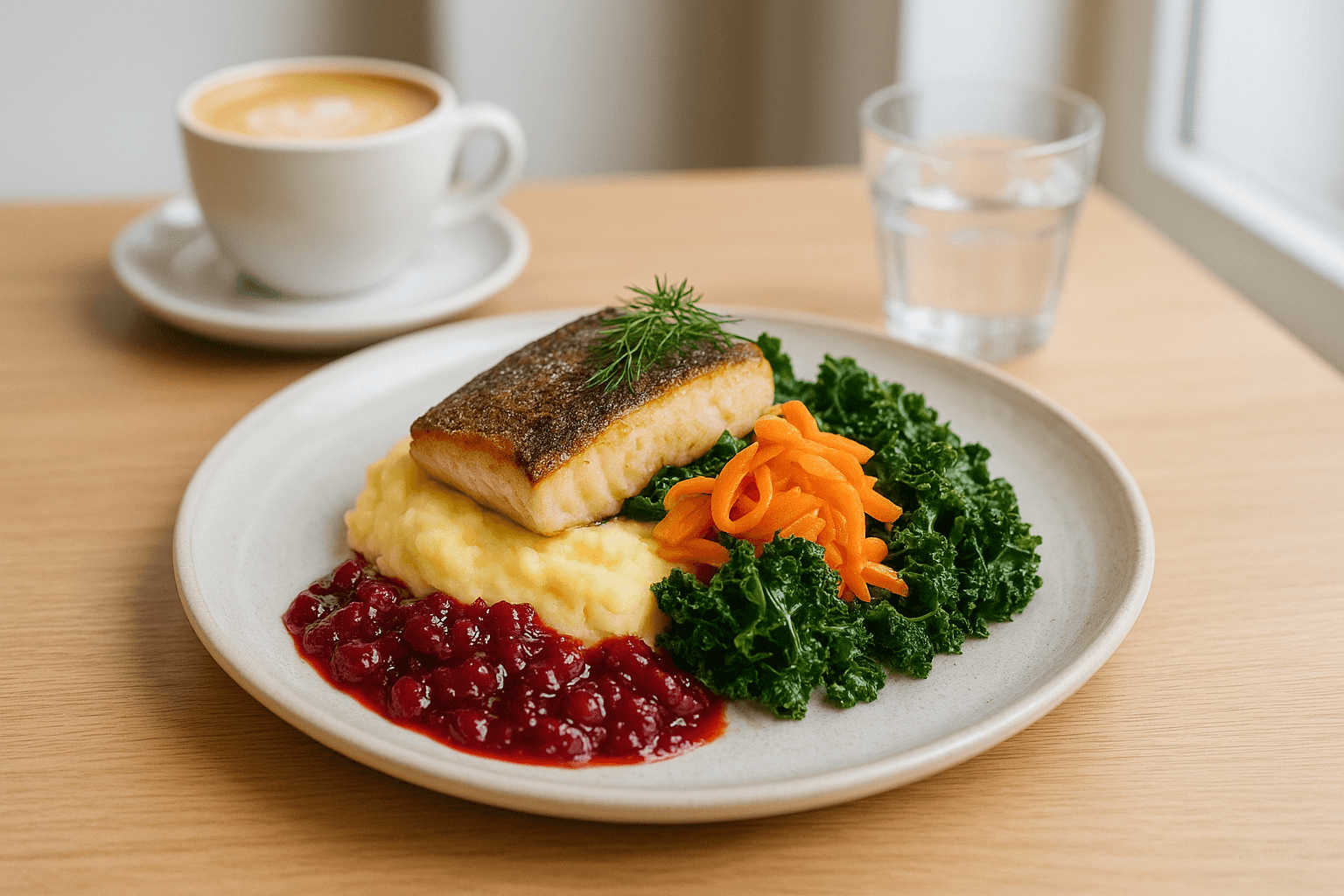
Eating in Oslo is generally easy, but like much of the Nordic region, it can be on the pricier side than many travelers expect. The good news is that the city has plenty of satisfying options, from casual lunch spots to sit-down dinners and excellent cafés.
What to try
You’re likely to see dishes and ingredients such as:
- fish and seafood
- rye or dark bread
- berries
- potatoes
- seasonal vegetables
- soups and hearty open-faced styles of eating
Norwegian food tends to be simple, seasonal, and satisfying. It often highlights fresh ingredients rather than heavy sauces or complicated preparation.
Café culture
Oslo’s cafés are a big part of the city experience. They’re ideal for:
- a coffee break between museums
- a warm stop in colder weather
- a light lunch
- people-watching in the city center
If you enjoy the Nordic rhythm of sightseeing plus coffee, Oslo is very rewarding.
Practical dining tips
- Book ahead for popular dinner spots, especially on weekends.
- Check opening hours, since some restaurants close earlier than you might expect.
- Expect a higher price level than in many other European cities.
- Keep lunch flexible if you want to save money, then splurge on one dinner.
Practical Tips for Budget, Weather, and Local Etiquette
Budget
Oslo is not a low-cost destination, so it helps to plan ahead. To manage expenses:
- use public transport instead of taxis
- combine one special meal with simpler lunches
- look for free outdoor activities
- book museums or attractions strategically
Weather
Oslo weather can change quickly, especially in shoulder seasons. Even in summer, it’s smart to bring layers. In colder months, pack for real winter conditions, not just “cool weather.”
What to pack
- layers
- waterproof outerwear
- comfortable walking shoes
- warm hat, gloves, and scarf in colder seasons
- compact umbrella if you like having one
Etiquette
A few simple habits help you blend in:
- keep your voice low on transit
- respect public spaces
- dress casually but neatly
- wait your turn and keep things orderly
Oslo is generally relaxed, but it does reward polite, low-key behavior.
Safety and planning
Oslo is easy to navigate, but it still pays to stay weather-aware and check seasonal opening times. Some attractions or services may operate on reduced schedules, especially outside summer.
Suggested 2-Day Oslo Itinerary
Here’s a simple, flexible way to experience oslo norway in two days.
Day 1: Waterfront and central highlights
Morning
- Start in the city center.
- Walk toward the waterfront.
- Explore the Opera House area and nearby public spaces.
Lunch
- Stop at a casual café or lunch spot near the center.
Afternoon
- Visit a major museum or cultural attraction.
- Spend time walking along the harbor or through a central district.
Evening
- Have dinner at a restaurant with a relaxed Nordic menu.
- End the day with a waterfront walk if the weather is good.
Day 2: Museums, parks, and a neighborhood stroll
Morning
- Head to a museum area or a district known for culture.
- Spend time indoors if the weather is chilly or rainy.
Lunch
- Pause for coffee and something simple.
Afternoon
- Explore a neighborhood such as Grünerløkka, Frogner, or Bygdøy depending on your interests.
- Add a park walk or viewpoint if you want more outdoor time.
Evening
- Enjoy a final dinner in the area you liked best.
- Keep the evening unhurried so you can leave room for transit, weather shifts, or one last coffee stop.
This itinerary works well for solo travelers, couples, and families because it stays flexible and doesn’t try to fit too much into each day. Oslo is at its best when you leave space between activities.
FAQs and Trip Planning Notes
Is Oslo worth visiting for a short trip?
Yes. Oslo is compact, easy to navigate, and packed with culture, waterfront views, and green spaces that work well for a 2- to 3-day visit.
How many days do you need in Oslo?
Two full days is a good minimum, though three or four days lets you slow down and explore more neighborhoods and museums.
What is Oslo known for?
Oslo is known for its fjord setting, Scandinavian design, museums, public art, and a strong connection between city life and nature.
Is Oslo easy to walk around?
Yes, many central sights are walkable, and public transport makes it easy to reach areas that are farther apart.
When is the best time to visit Oslo?
Summer is best for long daylight and outdoor exploring, while winter is great for a cozy Nordic city atmosphere. Spring and autumn are also excellent.
What should I pack for Oslo?
Pack layers, a waterproof outer layer, comfortable walking shoes, and warmer clothing if you are visiting in the colder months.
Final Thoughts
Oslo is a city that makes Nordic travel feel easy. It offers culture, design, waterfront scenery, and green space in a compact format that’s ideal for first-time visitors. Whether you’re planning a weekend city break or building a bigger Norway itinerary, oslo norway is a practical and rewarding place to begin.
If you want to extend your trip beyond the capital, Oslo also works beautifully as the first or last stop before heading farther into Norway or connecting with other Nordic destinations. It’s calm, walkable, and full of easy moments that add up to a memorable stay.