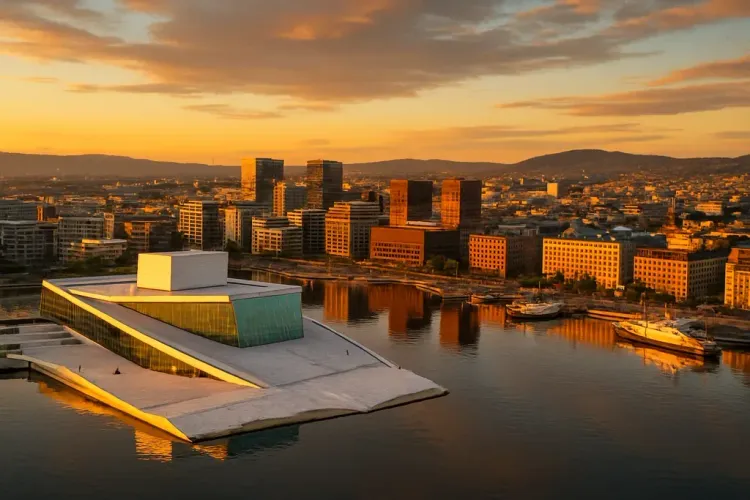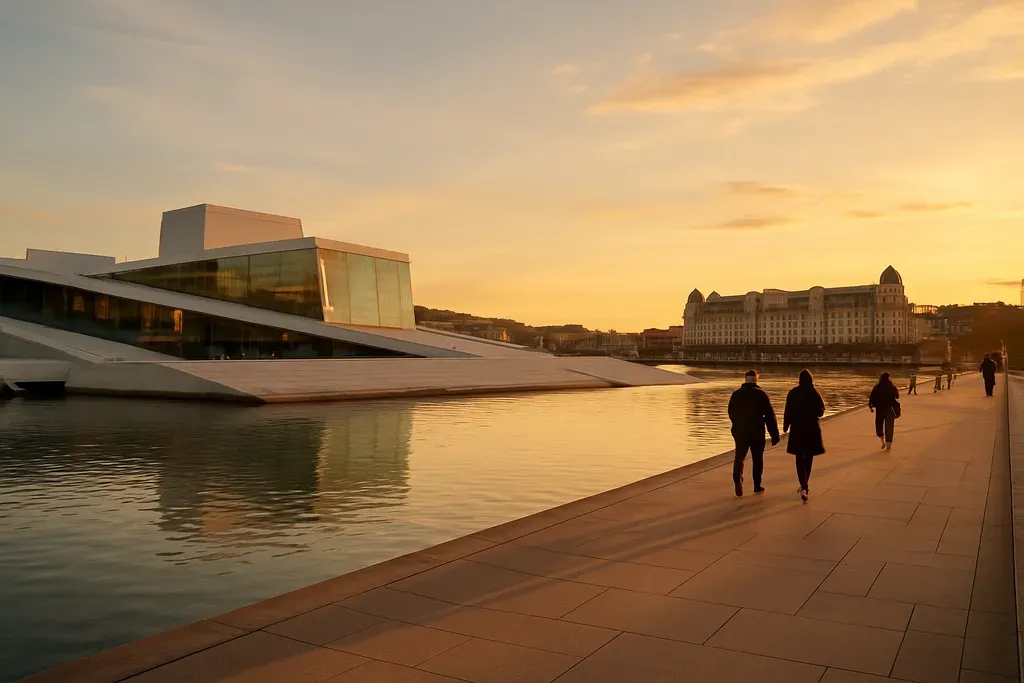
Oslo is the easiest way to experience norway and oslo in one trip: city life, waterfront views, museum culture, and public transport that actually makes sense for a first-time visitor. It is not a high-energy capital in the usual sense. Oslo is calmer, greener, and more outdoors-focused than many European cities, but that is exactly why it works so well as an introduction to Norway.
If you are planning a short city break, Oslo gives you a compact route through the essentials: the harbor, the Opera House, central museums, design-forward neighborhoods, and quick access to the Oslofjord. If you are building a longer Norway itinerary, it also works well as a starting point or final stop before moving on to the rest of the country.
For a broader background on the Nordic region and how Norway fits into it, this Nordic Studies Guide: Travel - University of Illinois LibGuides is a useful reference. You can also use this trip as a chance to understand the slower, more practical side of Norwegian travel before heading deeper into the fjords.
Why Oslo is the easiest place to start in Norway
Oslo is a compact capital that combines fjord scenery, museums, modern architecture, and easy transport in a single city. For first-time visitors, that matters more than it sounds. You do not need to spend half your trip figuring out how to move around. Most of the main sights can be linked on foot or with short tram and ferry rides.
That is one reason people searching for norway oslo often want a simple overview before planning a bigger Norway route. Oslo gives you a low-stress way to understand the country: clean design, strong coffee culture, waterfront promenades, and a visible connection to the outdoors even in the middle of the city.
It is also a practical place to begin a Norway trip because you can arrive, orient yourself quickly, and immediately get a sense of local rhythm. The city is walkable, the public transit system is reliable, and the central neighborhoods are easy to navigate without a car. If you only have a short stay, that efficiency matters. If you have longer, Oslo is still useful because it can anchor the beginning or end of a wider trip through Norway and the rest of the Nordics.
When to visit Oslo and what each season feels like

The best time to visit Oslo depends on what you want the trip to feel like. The city changes a lot across the year, and the difference between seasons is practical, not just visual.
Summer: long daylight, harbor life, and outdoor dining
Summer is the easiest season for first-time visitors who want to be outside as much as possible. Days are long, evenings linger, and the waterfront becomes the center of the city. This is the season for harbor walks, ferry rides on the Oslofjord, open-air cafés, and relaxed time by the water.
You can plan a slower pace in summer because daylight gives you more room to move. That means you can do a museum in the morning, lunch on the harbor, then another walk through central Oslo without feeling rushed. It is also the best season for enjoying the city’s public spaces: parks, piers, bathing spots, and outdoor seating areas.
If you want an Oslo trip that feels active and easy, summer is the strongest choice.
Winter: museums, cozy cafés, and snow-covered parks
Winter is a very different experience. Oslo becomes quieter, darker, and more intimate, but still very usable. It is a good season if your trip leans toward museums, architecture, cafés, and local indoor routines. Snow can make the city feel especially clean and calm, and parks can become beautiful even when you are just passing through.
Winter is also when small Norwegian rituals matter more: warming up in a café after a cold walk, trying a sauna, or pairing a museum visit with a slow lunch nearby. If you like atmosphere over constant activity, winter can be a great time to visit.
Spring and autumn: good value and changing light
Spring and autumn are ideal for travelers who want fewer crowds and a more affordable trip. The weather can be mixed, but Oslo is manageable in both seasons if you pack layers. These shoulder periods are especially good for culture-focused visitors who want museums, city walks, and a lower-key pace.
Spring brings brighter days and the feeling that the city is waking up again. Autumn brings strong light, crisp air, and good conditions for walking through central neighborhoods and along the waterfront.
Simple season recommendations
- Outdoor-focused travelers: choose summer
- Budget-conscious travelers: choose spring or autumn
- Culture-focused travelers: choose winter or shoulder season
For context on how streamlined travel often feels in the Nordic countries, including Norway and Finland, this overview of how the North of Europe works is a helpful read.
The best areas and sights to include in an Oslo city break
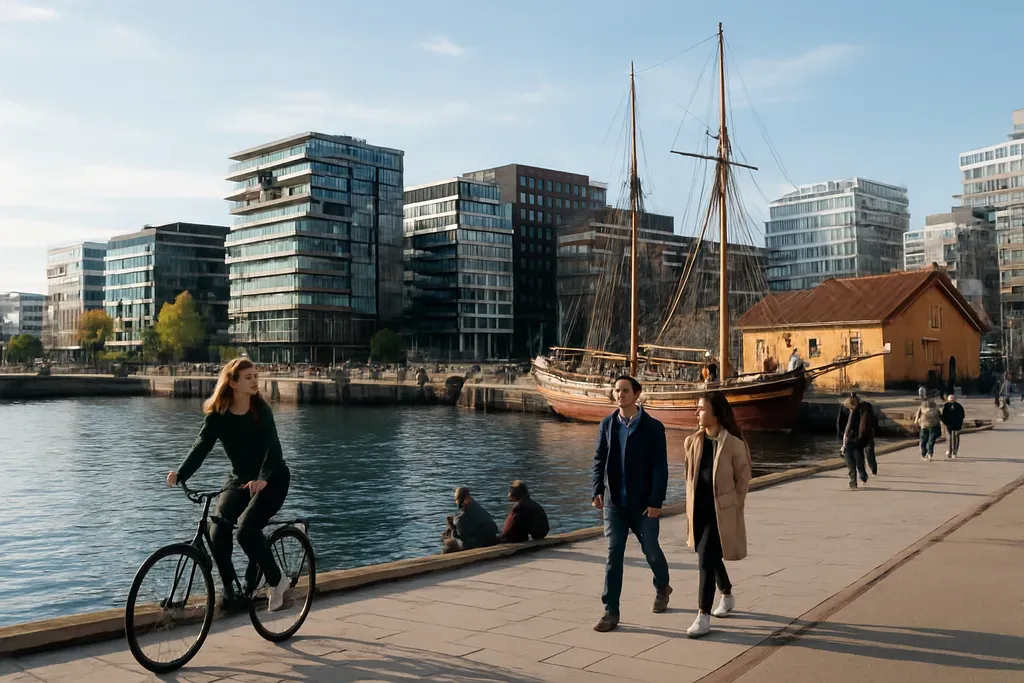
The smartest way to see Oslo is to group sights by area. The city is compact enough that you can avoid zigzagging across town all day.
1. Central Oslo and the city center
Start in the center because it gives you the clearest orientation. This is where you will find transit connections, shops, cafés, and easy walking routes to the waterfront. It is the best base if you want to see a lot in a short time.
2. The waterfront and the Opera House area
The waterfront is one of Oslo’s most important spaces. The Opera House area is a natural starting point because it combines architecture, open public space, and a direct connection to the harbor. It is also one of the easiest places to understand the city’s relationship with the fjord.
Walk the waterline here before you head elsewhere. It gives you a sense of scale and a good first impression of how central the Oslofjord is to daily life.
3. Aker Brygge and the harbor promenade
Aker Brygge is useful if you want restaurants, waterside walking, and a lively but still manageable atmosphere. It is not where you go to rush through sights. It is where you go to slow down between them.
The harbor promenade works especially well in good weather. Even if you do not eat there, it is one of the simplest ways to experience the city’s waterfront culture.
4. Museum zones and cultural stops
Oslo’s museum areas are strong enough to justify a dedicated half-day or full day. Depending on your interests, you might focus on art, maritime history, design, or Norwegian cultural history. The point is not to try to see everything. It is to choose one or two places that actually match your trip style.
For a well-paced first visit, prioritize:
- the waterfront
- one major museum
- one central architectural landmark
- one long walk through the city center
For a second visit, add more niche museums, deeper neighborhood exploration, or more time by the fjord.
Sample half-day route
If you only have a half day:
- Start near the city center
- Walk to the Opera House area
- Continue along the waterfront toward Aker Brygge
- Stop for coffee or lunch
- End with a museum or a viewpoint nearby
Sample full-day route
If you have a full day:
- Morning in the city center
- Midday at the waterfront and Opera House
- Lunch near Aker Brygge
- Afternoon at a museum zone
- Evening harbor walk or ferry ride
If you want a more detailed planning companion, this Oslo, Norway: A Nordic City Guide to Culture, Nature, and Easy Exploring pairs well with this article.
How to get around Oslo without wasting time

For a city-focused trip, Oslo is easy to manage without a car. In fact, many first-time visitors should skip car rental entirely.
Walking works for the core city
Central Oslo is highly walkable. If your hotel or apartment is near the center, you can reach many of the most useful places on foot. That saves time and keeps the trip simple.
Walking is best for:
- the city center
- the waterfront
- the Opera House area
- Aker Brygge
- short museum-to-museum transfers
Public transport fills the gaps
Use trams, buses, and metro lines for longer hops or when the weather turns. Oslo’s transit system is one of the easiest parts of the trip. If you are making several rides a day, a transport pass is usually worth it.
A simple rule: stay central, then use transit when a walk would cut into sightseeing time.
Ferries add a scenic layer
In season, the Oslofjord ferry is one of the best ways to see the city from the water. It is not just transportation; it is part of the experience. You get a better sense of the fjord, the islands, and the waterfront edges that shape Oslo’s identity.
If you want a distinctly Norwegian travel rhythm, combine walking with ferry connections instead of treating the city as a checklist of separate points.
Arrival and base location
The easiest logistics move is to stay near transit. That makes airport access, train travel, and local movement much smoother. Whether you arrive by air or rail, you will save time by choosing a central base rather than a distant neighborhood.
For a practical country-level overview that helps connect Oslo to a wider Norway trip, see Norge / Norway: A Practical Guide to the Norway Country for First-Time Visitors.
Food, museums, and local experiences that feel distinctly Norwegian

An Oslo trip feels more grounded when you mix major sights with everyday local habits. That means simple food stops, one or two good museums, and a few low-pressure experiences that are very normal in Norway.
Eat simply and locally
You do not need a complicated restaurant plan in Oslo. A better approach is to keep food practical:
- bakeries for breakfast or a light lunch
- casual cafés for coffee and pastries
- relaxed dinner spots near the center or waterfront
This keeps the day moving and reflects the city’s everyday rhythm. Norwegian food in Oslo is often best when it is straightforward rather than overdesigned.
Choose museums by interest, not by volume
Oslo has enough museums to fill several days, but first-time visitors should be selective. A good trip usually includes one or two museum stops rather than several rushed ones.
Possible angles:
- art and design
- Norwegian history
- maritime themes
- architecture and urban culture
Pick the museum that supports the version of Oslo you want to understand. If you care about how the city and country see themselves, a museum stop can add a lot of depth to a short stay.
Try local-style experiences
If you want the trip to feel more Norwegian, include at least one of these:
- a sauna session near the waterfront
- a swim if the season and weather allow it
- a long harbor walk
- a quiet park break between sightseeing stops
- an easy nature escape near the city edge
These experiences matter because they show how closely Norwegian city life is tied to the outdoors. Even in a capital, people make room for water, air, and movement.
Balance paid and free experiences
One of the best things about Oslo is that you do not need to pay for every memorable moment. Some of the strongest parts of the city are free:
- waterfront walks
- harbor views
- public architecture
- parks
- ferry-side scenery
That balance makes Oslo a smart city break, especially if you want a trip that feels rich without becoming overplanned.
For more inspiration on seasonal Norwegian travel patterns, including summer cultural traditions in the region, you may also like Midsummer Holiday in the Nordics: Where to Go, What to Expect, and How to Join In.
A practical 1- or 2-day plan for first-time visitors
If you have one day
Keep it simple:
- morning in the city center
- walk to the Opera House and waterfront
- lunch near Aker Brygge
- one museum in the afternoon
- end with another harbor walk or a ferry ride
This gives you a balanced introduction without rushing.
If you have two days
Use the second day to slow down:
- choose a different museum or a deeper neighborhood walk
- add more time for cafés and lunch
- explore another waterfront segment or seasonal ferry
- leave room for spontaneous stops
Two days is enough to make Oslo feel like a real city experience instead of a transit stop.
Common mistakes to avoid in Oslo
- Trying to cover too much. Oslo works best at a moderate pace.
- Ignoring the waterfront. The harbor is a core part of the city, not an extra.
- Renting a car for the city itself. You probably do not need one.
- Packing only for mild weather. Even summer evenings can feel cool.
- Skipping transit options. Trams, buses, and ferries can save a lot of time.
- Treating Oslo like a rushed checklist. The city is better when you leave space.
Quick FAQ
Is Oslo worth visiting on its own?
Yes. Oslo is a strong standalone city break with museums, waterfront views, and easy access to Norwegian culture.
How many days do you need in Oslo?
One full day is enough for the highlights, but two to three days gives you a much better pace.
What is the best time of year to visit Oslo?
Summer is best for long daylight and outdoor activities, while winter is best for a cozy city atmosphere and museums.
Can you visit Oslo without renting a car?
Yes. Oslo is very manageable by walking and public transport, and a car is usually unnecessary for the city itself.
What should I prioritize if I only have one day in Oslo?
Focus on the waterfront, a central museum or two, and one scenic walk through the city center.
Is Oslo a good starting point for a Norway trip?
Yes. It is one of the easiest entry points for a broader Norway itinerary, especially for travelers arriving by air or train.
If you want a first trip to Norway that is practical, scenic, and easy to manage, Oslo is the right place to begin. It gives you the city, the fjord, the culture, and the pace of Norwegian life without forcing you to overcomplicate the plan.