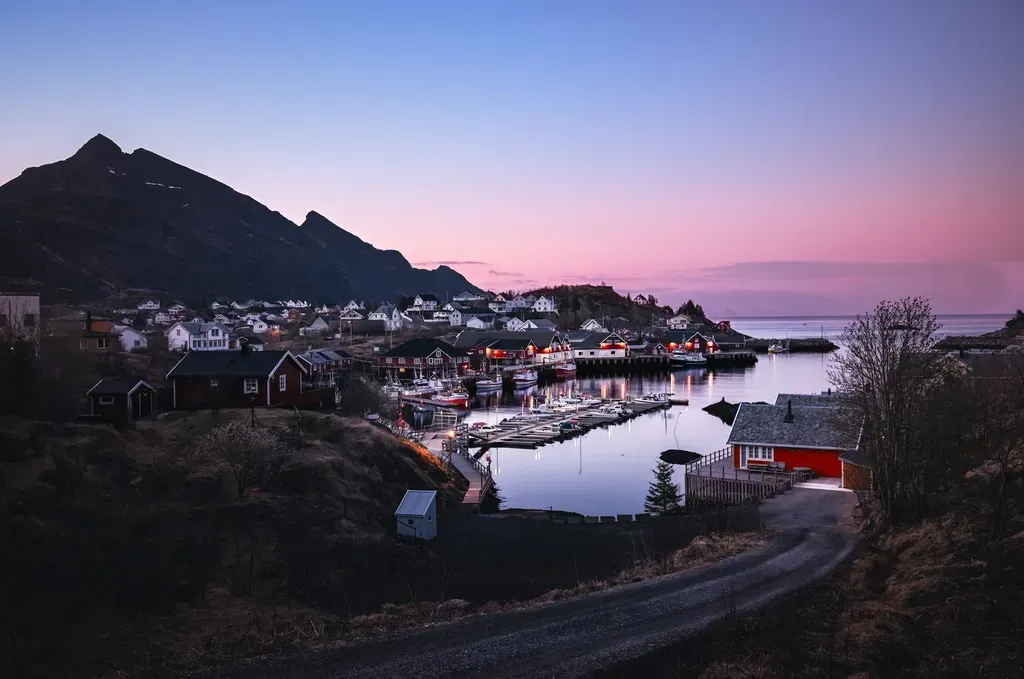
Introduction: choosing the right base for a Lofoten trip
Lofoten is the kind of place where where you stay becomes part of the trip itself. In these northern islands of Norway, a waterfront cabin can feel like a front-row seat to jagged peaks, fishing harbors, and changing Arctic light, while a hotel can make a short trip smoother, warmer, and easier to plan. That is why the rorbu vs hotel decision matters so much.
If you are traveling from the United States, you may already be balancing flight connections, rental cars, weather, and a packed Norway itinerary. Lofoten rewards travelers who plan well, but the best lodging depends on your style. Are you hoping for a memorable stay with a sense of place, or do you want the simplest possible base for exploring the islands? Both can work beautifully in Norway, but they offer very different experiences.
In this guide, we will break down what a rorbu is, what a hotel in Lofoten typically offers, and how to choose between them based on comfort, authenticity, location, amenities, privacy, and price.
What is a rorbu in Lofoten?
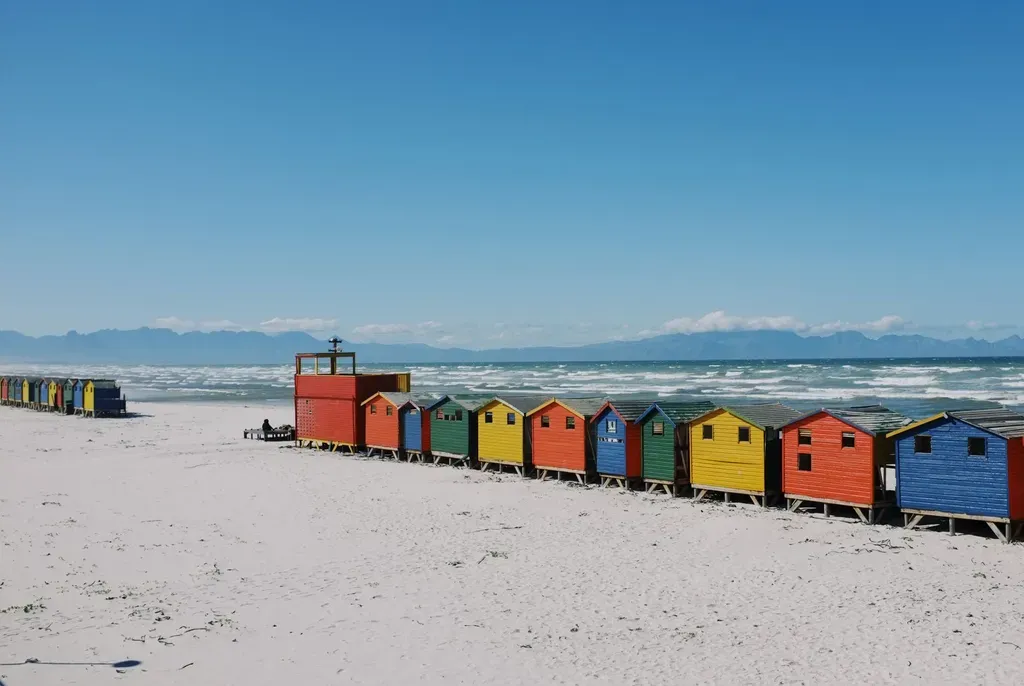
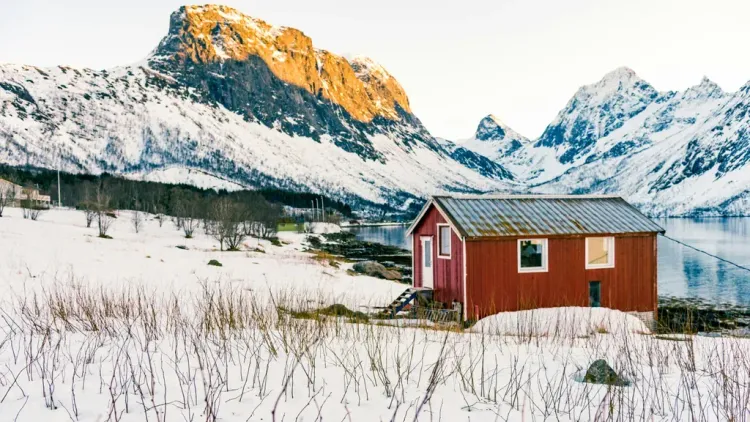
A rorbu was originally a fisherman’s cabin. These small wooden buildings were used seasonally by fishing crews who came to Lofoten for the historic cod fishery. Today, many of those old cabins have been renovated for travelers and transformed into cozy cabin stays, apartment-style units, and in some cases upscale waterfront suites.
What makes a rorbu special is not just the building itself, but the atmosphere. A good rorbu stay feels tied to the landscape: the water is often right outside your door, the village may be tiny and walkable, and the whole place can feel like a direct connection to Lofoten’s maritime history. For many visitors, that sense of place is the main reason to book one.
Modern rorbuer vary a lot in comfort. Some are simple and rustic, while others are polished, modern, and well insulated. In many cases, they include kitchenettes, living space, and multiple sleeping areas, making them closer to vacation apartments than traditional cabins. That flexibility is a major reason they appeal to longer-stay travelers and anyone who wants to self-cater.
At the same time, rorbuer can come with trade-offs. They may have stairs, compact rooms, smaller bathrooms, or fewer full-service amenities than a hotel. If you are expecting a polished resort experience, it helps to read the listing carefully and understand whether the property is basic, midrange, or premium. As outdoor-focused Nordic travel guides often emphasize, cabin-style stays are part of the region’s appeal because they blend practical shelter with a strong landscape experience (Backpacking Norway).
What you get from a hotel in Lofoten
A hotel in Lofoten usually delivers a more familiar travel experience. You can expect a reception desk, daily housekeeping, a private bathroom, and a room layout that feels predictable from one property to the next. For many travelers, that predictability is exactly the point.
Hotels are often the easier choice for short stays, winter trips, or any itinerary where you want to reduce logistics. If you arrive late, leave early, or change plans often, a hotel can simplify the trip. Many also include breakfast, parking, luggage help, and in some cases on-site dining or a bar. Those extras can be especially useful in Lofoten, where weather and distance can make simple routines feel more valuable.
Hotels are also common in towns like Svolvær, which can be helpful for first-time visitors. Svolvær tends to offer the broadest mix of services, including transport connections, restaurants, ferries, car rentals, and tour departures. If you want to use your lodging as a practical base rather than a destination in itself, a hotel may be the better fit.
In general, hotels are the choice for travelers who want convenience first. They are not necessarily more scenic than a rorbu, but they often make the trip easier to manage. That practicality is one reason hotels are so often ranked by service, amenities, and value in guidebooks and booking systems (Frommer’s Norway).
Rorbu vs hotel: the real differences
Authenticity and atmosphere
On authenticity, the rorbu usually wins. Even when heavily renovated, a rorbu still feels tied to Lofoten’s fishing heritage and coastal identity. You are not just sleeping near the water; you are staying in a type of lodging that grew out of the region’s working history.
Hotels can still be attractive and scenic, but they usually feel more standardized. That is not a bad thing. It just means the emotional connection is often weaker than with a rorbu.
Space and layout
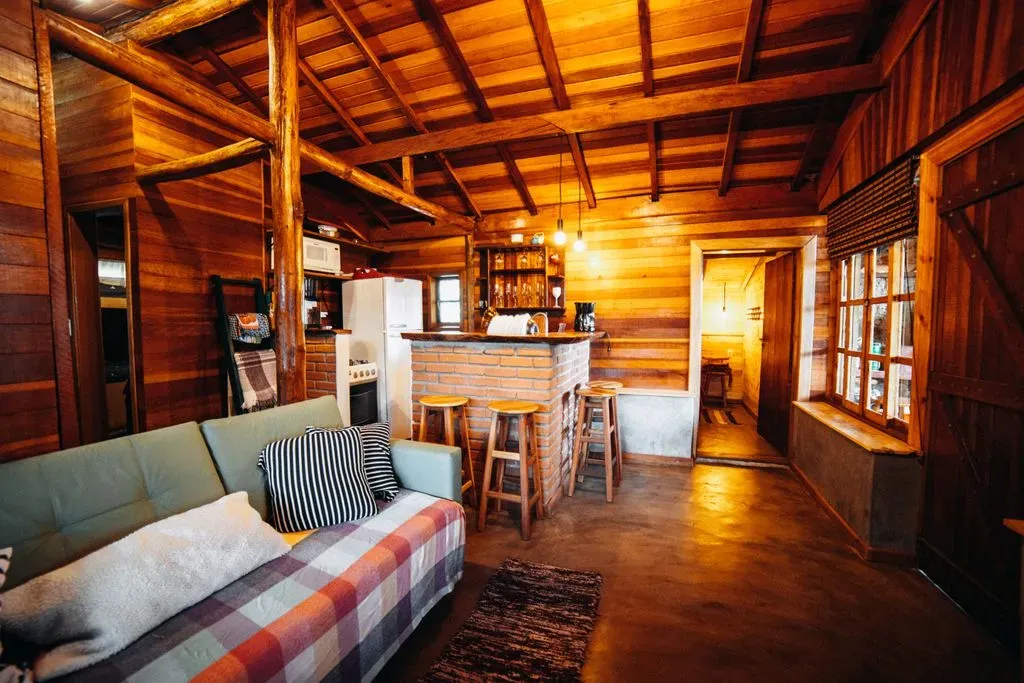
Rorbuer often offer more usable space than a standard hotel room. Many include a sitting area, small kitchen, dining space, and sometimes separate bedrooms. This makes them appealing for longer stays, couples who want more room, or families who do not want to feel boxed into one room.
Hotels usually provide a simpler layout: bed, bathroom, desk, and maybe a chair or small sitting area. For one or two nights, that can be all you need. For a longer road trip, a rorbu may feel more comfortable.
Cooking and self-catering
If you want to cook some meals, a rorbu usually has the edge. Kitchenettes or full kitchens are common, which can help if you are staying several nights or traveling during the busier summer season when restaurant reservations matter more. Self-catering can also help with budget control in a destination where dining out can add up quickly.
Hotels may offer breakfast and sometimes a restaurant, but full cooking options are less common. If you like the idea of a slow morning coffee with views and an easy dinner after a long day on the road, a rorbu can be a great fit.
Weather protection and winter comfort
In winter, hotels can feel easier simply because they are built around service and consistency. Heated entrances, staff on hand, daily cleaning, and reliable common areas all reduce friction in stormy conditions. If you are visiting during the darkest months, that convenience can matter.
That said, many modern rorbuer are absolutely comfortable in winter. Good insulation, strong heating, and updated interiors can make them warm and inviting even in rough weather. The key is checking the listing carefully and not assuming all rorbuer are rustic.
Privacy and social feel
Rorbuer often feel more private and secluded. You may have your own cabin or a quiet apartment-style unit, which can make the stay feel calmer and more personal. That is especially attractive for couples and photographers who want a peaceful base.
Hotels are more staffed and service-oriented. You get more interaction, more convenience, and usually easier problem-solving if something goes wrong.
Value
Value depends on what you prioritize. A rorbu may cost more because you are paying for setting, atmosphere, and often more space. A hotel may look pricier on paper, but breakfast, housekeeping, parking, and convenience can make it more cost-effective overall.
If you are comparing rates, always look at the full package, not just the nightly number.
Best places in Lofoten for a rorbu stay
Reine
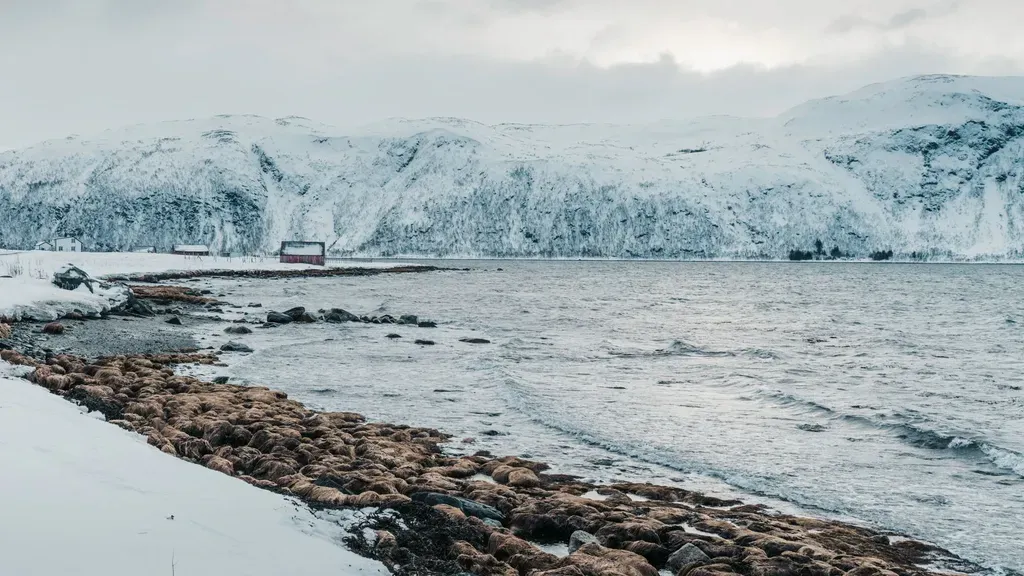
Reine is one of the most iconic places in Lofoten, and it is a natural choice for travelers who want classic postcard scenery. The harbor, mountains, and compact village setting make it especially appealing for photographers and couples. If you want a rorbu that feels deeply tied to the landscape, Reine is hard to beat.
The trade-off is convenience. Reine is beautiful, but it is not the most practical base if you want lots of restaurants, services, or spontaneous logistics. It shines when your priority is atmosphere.
Hamnøy
Hamnøy is another dramatic choice, famous for its striking views and traditional fishing-village character. It is ideal for travelers who want that iconic Lofoten look without staying directly in a larger town.
This is a strong option if you are driving through the islands and want a memorable overnight stop. Like Reine, it is more about setting than convenience.
Å
Å has a historic, end-of-the-road feeling that appeals to travelers who like quiet places with local character. A rorbu in or near Å can work well for those who want a slower pace and a strong sense of geography.
It is especially good for road-trippers who want to experience the southern end of the Lofoten route and spend time in a village that feels distinct from the busier hubs.
Nusfjord
Nusfjord is a great pick for travelers who want a historic village atmosphere with a carefully preserved look and feel. It is among the most character-rich places in Lofoten and can be especially appealing for travelers who value heritage, design, and scenery together.
If you want a stay that feels memorable rather than merely functional, Nusfjord is one of the best places to look.
Svolvær
Svolvær is still a smart rorbu base if you want more practical access to restaurants, ferries, and tours. You may not get the same remote feel as Reine or Hamnøy, but you do get better logistics and a wider range of services. That makes Svolvær a good compromise for travelers who want a rorbu but do not want to give up convenience.
Best places in Lofoten for a hotel stay
Svolvær
If you want the easiest hotel-centered trip in Lofoten, start with Svolvær. It is one of the most practical bases in the islands because it has more services, more hotel choices, and easier access to transport and day tours.
For first-time visitors, this can remove a lot of stress. You can arrive, check in, have dinner, and start exploring without needing to manage a more remote village setup.
Near ferry routes and transport hubs
Hotels near ferry routes, car rental offices, and tour departures are useful if you are moving quickly through northern Norway. This is especially true if you are combining Lofoten with other parts of the country or following a broader Norway trip plan. A hotel makes it easier to keep the trip efficient.
Winter and short-stay itineraries
If you are only spending one or two nights in Lofoten, or if you are visiting in winter and want the simplest possible setup, a hotel often makes the most sense. You can minimize check-in friction, rely on housekeeping, and avoid the extra work of self-catering in bad weather.
Travelers who like routine
Some travelers simply prefer a consistent breakfast, a standard bed, and a reliable front desk. If that describes you, a hotel will likely feel more comfortable than a rorbu, even if the rorbu looks more charming in photos.
How to choose between a rorbu and a hotel
Choose a rorbu if:
- You want the strongest sense of place
- You care about scenic views and waterfront settings
- You are staying several nights
- You like having a kitchen or kitchenette
- You are traveling as a couple, photographer, or slow-travel road-tripper
Choose a hotel if:
- You want convenience and lower planning stress
- You are staying briefly
- You are visiting in winter and want easier logistics
- You prefer breakfast, housekeeping, and a front desk
- You are making Lofoten one stop in a bigger Norway itinerary
Season matters
In summer, a rorbu can be especially rewarding because the long days make scenic settings feel even more immersive. In winter, hotels may have an edge because they reduce friction when weather becomes a factor. That said, many quality rorbuer are fully capable winter stays if you choose carefully.
Group type matters
Couples often love rorbuer for the privacy and atmosphere. Families may also prefer rorbuer because of extra space and kitchen access. Hotels can work better for families who want easy breakfast and simple check-in, especially with young kids. Business-like planners or travelers who dislike uncertainty will usually prefer hotels.
Budget matters
Always compare the full cost: nightly rate, breakfast, parking, cooking access, and how many meals you will eat out. A rorbu may seem expensive, but if it saves you from multiple restaurant meals, it can be good value. A hotel may be more expensive per night but less mentally demanding.
Practical recommendation for US travelers
If this is your first Lofoten trip and you want maximum ease, choose a hotel in Svolvær. If you are coming for scenery, a slower pace, and a stay that feels distinctly Norwegian, choose a rorbu in Reine, Hamnøy, Å, or Nusfjord.
A simple rule of thumb:
Pick a rorbu for atmosphere. Pick a hotel for convenience.
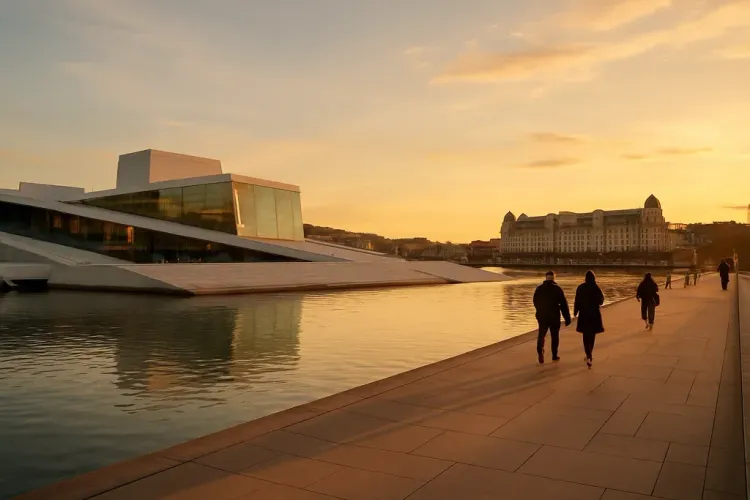
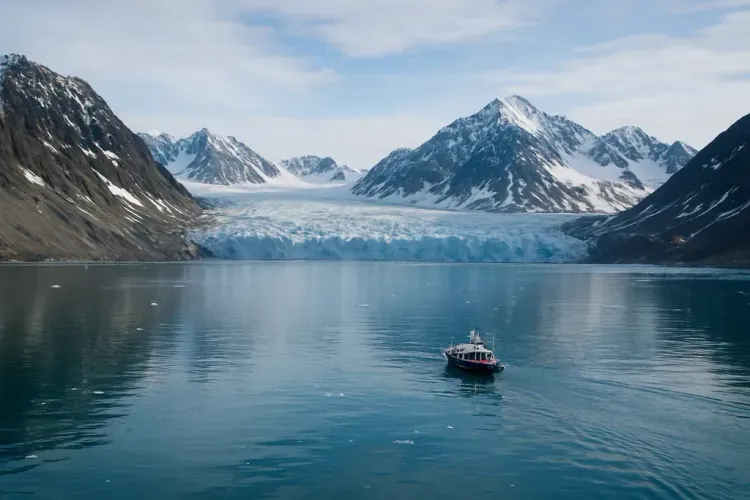
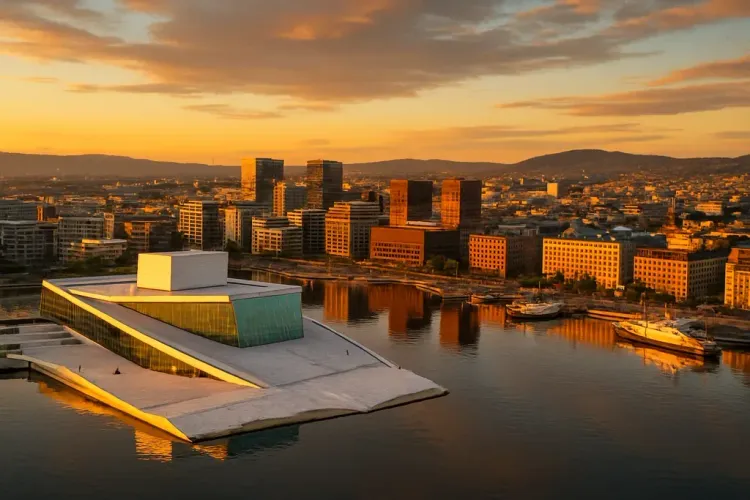
For many US travelers, the best approach is to match lodging to the purpose of the trip. If Lofoten is the highlight of your Norway journey, a rorbu makes the experience more memorable. If Lofoten is one leg of a larger itinerary that may also include Oslo or even a broader Arctic route like Spitsbergen, then a hotel can help keep the trip efficient.
FAQ
What is a rorbu in Lofoten?
A rorbu is a former fishermen’s cabin, now often renovated for travelers as a cozy cabin or apartment-style stay by the water.
Is a rorbu better than a hotel in Lofoten?
A rorbu is better if you want atmosphere and a local feel. A hotel is better if you want convenience and simpler logistics.
Are rorbuer comfortable in winter?
Yes, many are well insulated and modern inside, but hotels can still be easier if you want daily service and fewer weather-related hassles.
Do rorbuer usually have kitchens?
Many do, especially apartment-style or higher-end cabins, but it is always worth checking the listing before booking.
Which area is best for a first Lofoten trip?
Svolvær is often the easiest base for first-time visitors because it has more services, transport options, and hotel choices.
Should families choose a rorbu or hotel?
Families often like rorbuer with extra space and kitchen access, while hotels can work better if they want breakfast and easy check-in.
Final takeaway
When it comes to rorbu vs hotel in Lofoten, there is no wrong answer — only the right match for your trip.
Choose a rorbu if you want the most iconic Nordic stay, with history, scenery, and a strong sense of place. Choose a hotel if you want comfort, predictability, and easier logistics. For most travelers, the best choice is the one that fits the season, the length of the trip, and how much of your energy you want to spend on planning versus enjoying the islands.