If you are searching for Norway Spitsbergen, you are probably planning a trip to one of the most remote and memorable corners of the Nordic region. Spitsbergen sits far above mainland Norway in the Svalbard archipelago, where glaciers, fjords, tundra, and sea ice shape nearly every part of the travel experience. It is not a place for spontaneous wandering or loose planning. It is Arctic travel: structured, seasonal, and very dependent on weather, light, and local rules.
That is exactly why a good plan matters. The right timing can mean midnight sun boat trips, clear views of glaciers, or snow-covered landscapes with a chance of northern lights. The wrong timing can mean limited access, rough seas, or simply not enough time in the right conditions to enjoy what you came for.
This guide walks you through what Spitsbergen is, when to go, how to get there, where to stay, what to do, and how to pack and behave responsibly in the high Arctic.
What is Spitsbergen, and why do people call it Norway’s Arctic frontier?
Spitsbergen is the largest island in the Svalbard archipelago, which is governed by Norway. It is the main island most travelers mean when they say “Svalbard,” although technically Svalbard refers to the whole archipelago. Longyearbyen, the main settlement, is where most visitors arrive, sleep, eat, and join tours.
That naming confusion is common:
- Spitsbergen = the largest island
- Svalbard = the archipelago
- Longyearbyen = the main town and travel base
So if someone searches norway spitsbergen, they are usually looking for practical trip planning for Norway’s high-Arctic islands, not a mainland Norway itinerary. That distinction matters because Spitsbergen feels very different from Oslo, Bergen, or even northern Norway. It is remote, tightly regulated, and shaped by Arctic conditions rather than ordinary road travel.
The landscape is what makes it so distinctive. Expect:
- Ice-covered glaciers
- Deep fjords
- Treeless tundra
- Sharp mountains
- Seasonal sea ice
- Wide open skies with dramatic light
If you want a broader Norway primer before adding the Arctic, it can help to read Norge / Norway: A Practical Guide to the Norway Country for First-Time Visitors and Oslo, Norway: A Nordic City Guide to Culture, Nature, and Easy Exploring. For the Arctic side of Norway, the official-style overview from Visit Norway’s Svalbard pages is also useful.
When is the best time to visit Spitsbergen?
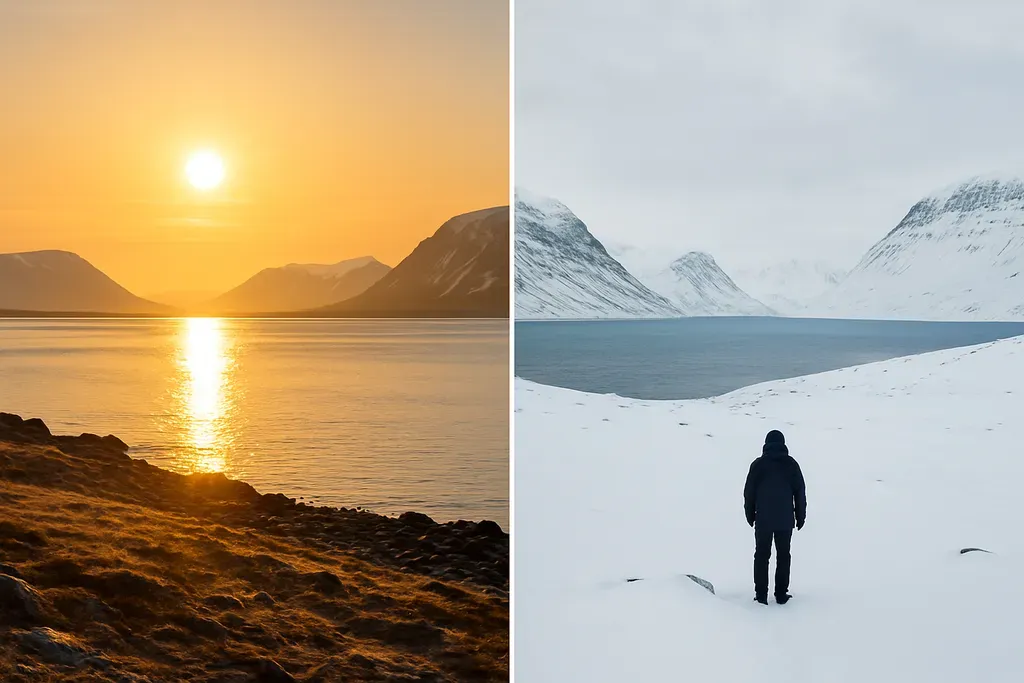
The best time to visit depends on what you want most: wildlife, light, snow, or easier access. There is no single “best” season for everyone.
Summer: best for boats, wildlife, and long daylight
Summer is the main season for first-time visitors who want to see the island at its most accessible. From late spring into summer, the midnight sun gives you continuous daylight, which is excellent for long boat excursions, photography, and flexible sightseeing.
This is the season for:
- Boat trips into fjords
- Glacier viewing
- Seabird colonies
- Walrus sightings
- Long days with no darkness at all
If you are interested in understanding the midnight sun in more detail, see Midnight Sun in the Nordics: Where to See It, When to Go, and How to Plan Your Trip.
Shoulder season: fewer people, changing conditions
Late spring and early autumn can be appealing if you want a quieter feel and are comfortable with more variable weather. You may still get strong Arctic scenery, but tour options can be more limited, especially if sea conditions or ice affect boat access.
This is a good time for travelers who prioritize a calmer atmosphere over the widest range of activities.
Late winter and early spring: snow, sledding, and northern lights
If your dream is a full winter Arctic experience, then late winter and early spring are the key months. This is the time for:
- Dog sledding
- Snowmobile trips
- White, frozen landscapes
- Northern lights when the sky is dark enough
For aurora planning, you may also want to compare timing with How to Plan a Northern Light Trip in the Nordics: Best Places, Timing, and Practical Tips. If you are considering the broader region for winter, Finland and Lapland: How to Plan the Perfect Nordic Winter Escape can help with Arctic expectations.
Choose timing based on your priority
Pick summer if you want:
- Boats
- Wildlife
- Long daylight
- Easier sightseeing
Pick winter or early spring if you want:
- Snow scenery
- Dog sledding
- Snowmobile adventures
- Northern lights
One constant remains: the weather changes quickly in every season. Flexibility matters more than a rigid itinerary.
How to get to Spitsbergen from mainland Norway
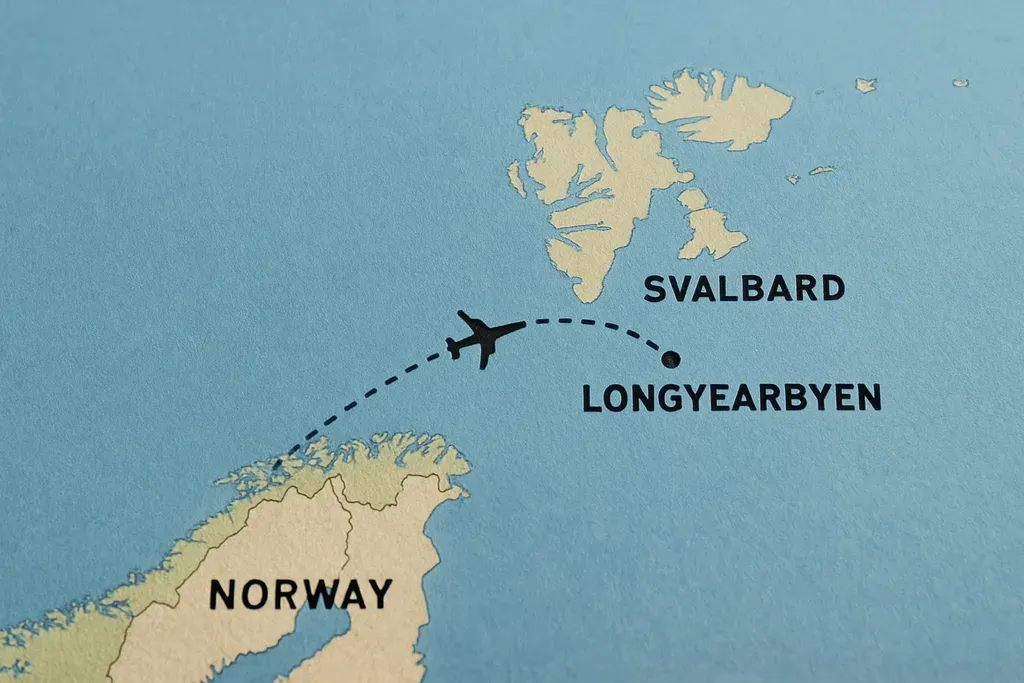
Almost every trip to Spitsbergen starts in mainland Norway, usually through Oslo or sometimes Tromsø, before flying to Longyearbyen Airport.
The route is usually straightforward, but it is still remote travel. Flights to Longyearbyen are limited compared with domestic Norwegian routes, so booking early is important, especially in peak season.
Typical travel pattern
- Fly to Norway
- Connect through Oslo or Tromsø
- Take a flight to Longyearbyen
- Transfer from the airport to town
There are practical things to think about before you go:
- Book early: seats can fill up quickly in summer and winter travel periods
- Watch baggage rules: Arctic clothing takes up space
- Plan for delays: weather can disrupt schedules
- Keep arrival simple: your first day should be light and flexible
Longyearbyen is a small Arctic community, so arrival feels different from landing in a large Nordic city. You are not just arriving in a destination; you are entering a place where supplies, transport, and daily life are shaped by isolation and the weather.
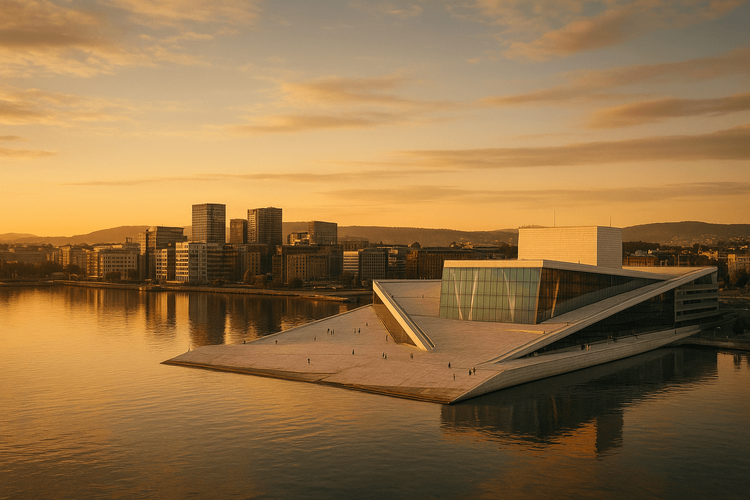
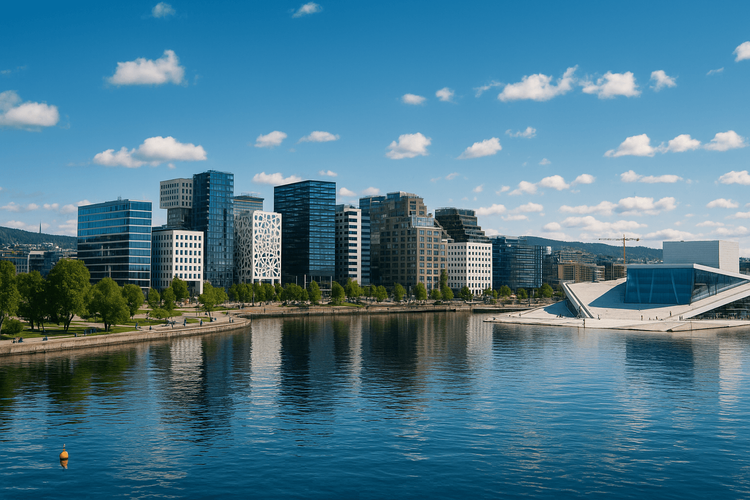
If you are pairing the trip with time in Norway’s capital, the city guides Oslo, Norway: The Practical Guide to Norway’s Capital for First-Time Visitors and Norway Oslo City Guide: What to See, Do, and Know Before You Go may help you plan the mainland part of the journey.
Where to stay: Longyearbyen and trip styles that work best
For almost every visitor, Longyearbyen is the right base. It has the main range of hotels, guesthouses, restaurants, tour operators, and practical services.
Accommodation styles
You will usually see three broad options:
- Hotels: best for convenience and easier trip logistics
- Guesthouses: often a good balance of comfort and value
- Expedition-style stays: for travelers focused on tours and Arctic adventure
Choose based on how you want to spend your time. If you want easy access to guided excursions, a central hotel may be best. If you want a quieter, more budget-conscious stay, a guesthouse can work well. If you are joining multiple tours, look for places that help with transfers, packed breakfasts, or early departures.
What works best for most visitors
Longyearbyen is compact, so staying centrally makes life easier. You can walk to restaurants, museums, and some tour meeting points. That matters when you are dealing with cold, wind, and changing plans.
Outside Longyearbyen, independent travel becomes much more limited. Most visitors should not assume they can simply head out on their own into the wilderness. Remote travel usually requires a local guide or operator with Arctic safety knowledge.
Booking advice
- Book early in high season
- Check meal options before confirming
- Ask about airport transfers
- Confirm if tours leave from your accommodation or a central meeting point
If your trip is short, choose convenience over trying to be too clever with lodging. In Spitsbergen, better logistics usually mean a better trip.
What to do in Spitsbergen: the best Arctic experiences
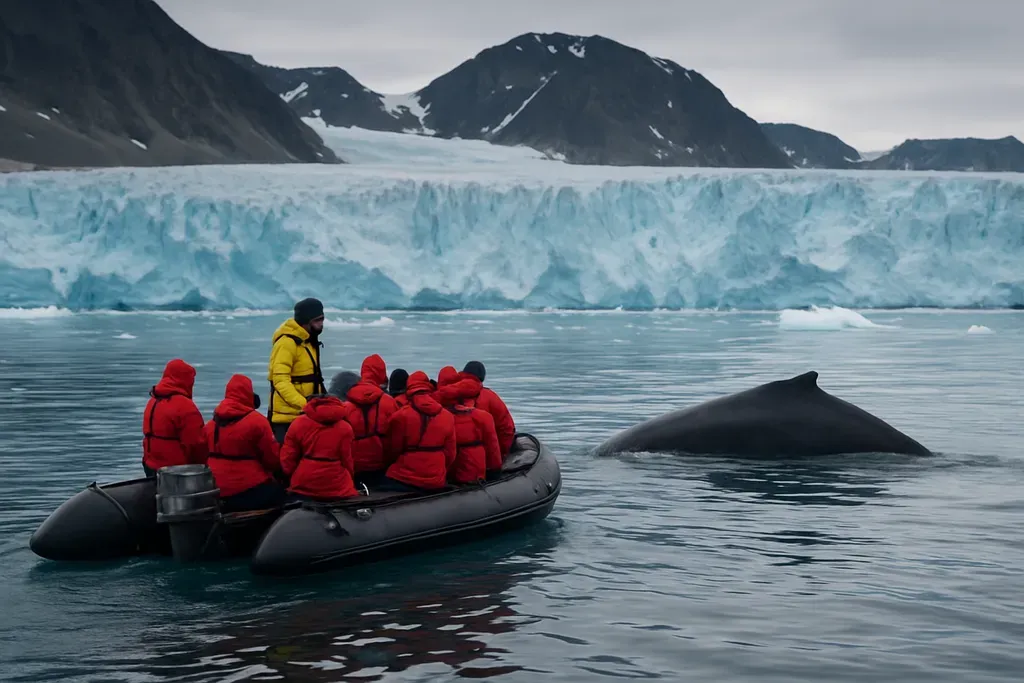
Spitsbergen is not a place for a long list of attractions. It is a place for a few strong experiences done well.
Boat excursions
Boat trips are among the best ways to see the island in the warmer months. They can take you into fjords, toward glaciers, and past wildlife areas where you may see:
- Walrus
- Seabirds
- Arctic marine life
- Polar bears from a safe distance, if conditions and operators allow
Choose licensed operators only. Arctic waters are not a casual sightseeing backdrop; conditions can change fast, and local knowledge matters.
Glacier and fjord sightseeing
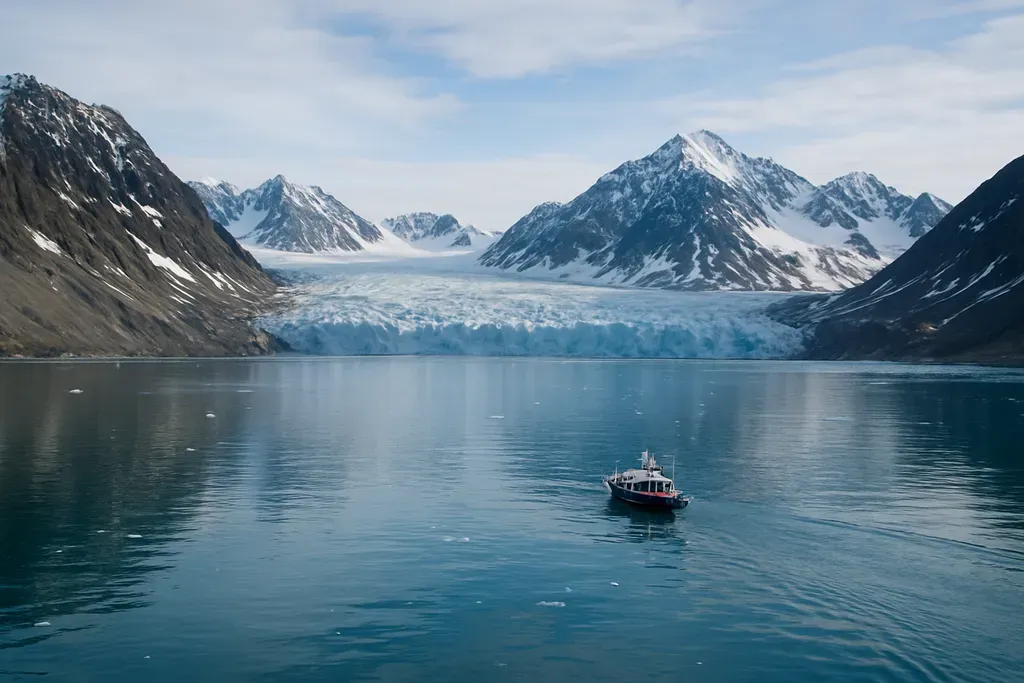
Glacier cruises and fjord tours are core Spitsbergen activities. They are especially good for travelers who want the classic Arctic look: blue ice, steep mountain walls, and open water or sea ice depending on the season.
These tours are also strong for photographers because the light changes constantly, especially during the midnight sun period.
Land-based winter activities
In colder months, the focus shifts inland and onto snow-covered terrain. Popular options include:
- Guided hikes
- Snowmobile trips
- Dog sledding
These experiences are seasonal, weather-dependent, and best done with guides who know the terrain and the risks.
Cultural stops in Longyearbyen
Do not skip the town itself. The Svalbard Museum is a smart first stop for understanding polar history, settlement life, mining heritage, and the realities of living this far north.
Longyearbyen may be small, but it gives context to everything else you see outside town.
Book through licensed operators
This is one of the most important trip rules. Every major excursion should be booked with a licensed operator familiar with Arctic conditions. That applies to boat trips, snowmobile tours, hikes, and dog sledding alike.
Safety, rules, and responsible travel in the high Arctic
Spitsbergen is beautiful, but it is also a place where safety is taken seriously for good reason.
Polar bear safety is not optional
Outside town, polar bear precautions matter. Visitors should not assume they can wander freely into the landscape without guidance. In many cases, going beyond the settlement without a guide is not appropriate and may not be allowed depending on the activity and area.
Follow local rules
Rules exist to protect both visitors and the environment. That includes:
- Carrying required safety equipment where needed
- Following guide instructions exactly
- Respecting protected zones
- Keeping distance from wildlife
- Staying on designated routes when instructed
Respect the environment
Arctic tundra is fragile. Footsteps, shortcuts, and careless behavior can leave lasting damage. Treat the landscape as something to observe, not dominate.
Weather changes everything
A good plan can be adjusted in an hour. Ice, wind, snow, visibility, and daylight all shape what is possible. Build that uncertainty into your itinerary from the start.
Insurance matters
Choose suitable travel insurance that covers Arctic activities and any trips you book. Confirm what is included before you travel, not after you are standing at the dock.
What to pack for a trip to Spitsbergen

Packing for Spitsbergen is less about the temperature on paper and more about wind, stillness, and moisture. You may feel much colder than the forecast suggests.
Clothing essentials
Bring:
- Base layers
- Warm mid-layers
- Waterproof outerwear
- Insulated boots
- Thick gloves or mittens
- Hat and neck protection
Sun and snow protection
Even in the Arctic, sun matters. Pack:
- Sunglasses
- Sunscreen
- Lip balm
Snow and glare can be harsh, especially during long bright days.
Useful extras
A few small items can improve your trip a lot:
- Binoculars
- Camera and memory cards
- Spare batteries, kept warm
- Refillable water bottle
- Snacks for excursions
- Personal medication
Pack for standing still
A common mistake is packing only for walking. On boat decks, during wildlife watching, or while waiting for a guide, you may be standing still in wind and cold for long periods. Pack for those moments.
Sample Spitsbergen itinerary ideas for different trip lengths
Short stay: 2–3 days
If you have only a short trip, keep it simple:
- One or two nights in Longyearbyen
- One boat excursion or winter activity
- One cultural stop, such as the Svalbard Museum
This gives you a clear introduction without rushing.
Medium stay: 5–7 days
A 5–7 day trip works well for most visitors. Aim for:
- Two or three guided activities
- One relaxed town day
- Buffer time for weather changes
That balance helps you avoid overplanning.
Longer stay: 8+ days
A longer itinerary makes sense if you want to focus on:
- Wildlife viewing
- Glacier scenery
- Seasonal snow or midnight sun activities
- A slower pace with weather flexibility
The best long trip is usually not the one with the most activities. It is the one that leaves room for conditions to improve.
Final planning tip
When planning norway spitsbergen, choose fewer activities and give yourself more flexibility. That is the Arctic-smart approach. The island rewards patience, good layers, and realistic expectations far more than a packed schedule.
FAQ
Is Spitsbergen the same as Svalbard?
Spitsbergen is the largest island in the Svalbard archipelago. Many travelers use the names interchangeably, but Svalbard is the broader place.
What is the best time to visit Spitsbergen?
Summer is best for boat trips and wildlife viewing, while late winter and spring are better for snow activities and northern lights.
Can you travel around Spitsbergen on your own?
In Longyearbyen, yes. Outside town, most visitors should join guided trips because of weather, terrain, and polar bear safety.
How do I get to Spitsbergen from Norway?
Most travelers fly from mainland Norway, usually connecting through Oslo or Tromsø to Longyearbyen.
Do I need special gear for Spitsbergen?
Yes. Layered clothing, waterproof outerwear, warm boots, gloves, and sun protection are all important in Arctic conditions.
Is Spitsbergen suitable for a first Arctic trip?
Yes, if you choose guided activities and plan carefully. Longyearbyen makes it one of the more accessible Arctic destinations in Norway.
Quick take
Spitsbergen is not mainland Norway, and that is the appeal. It is a high-Arctic travel experience built around timing, safety, and respect for the environment. If you plan well, choose the right season, and keep your itinerary flexible, you will get far more out of the trip than a simple checklist of sights.