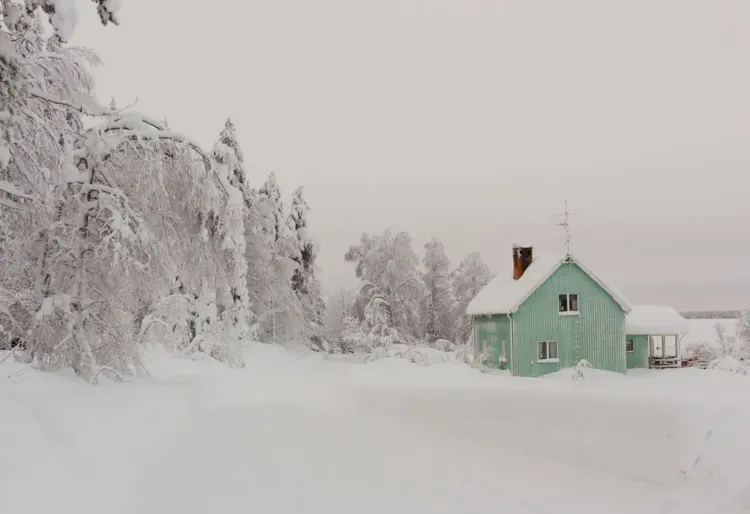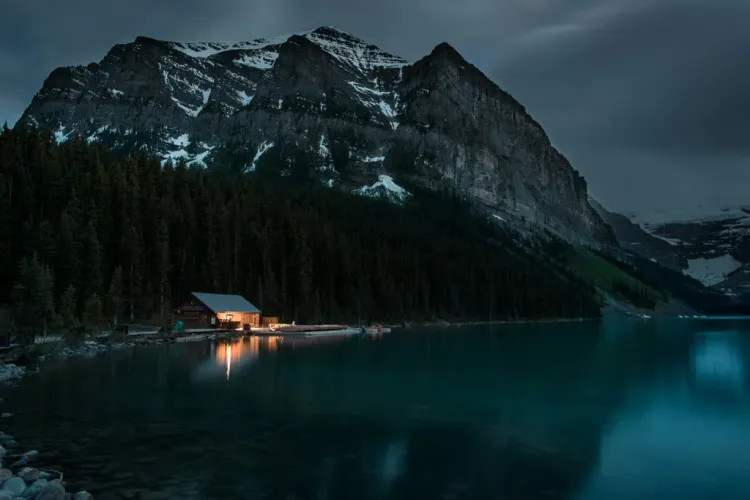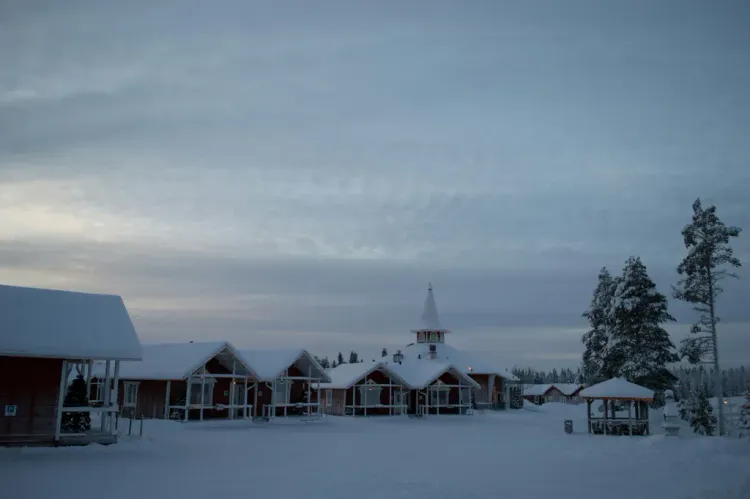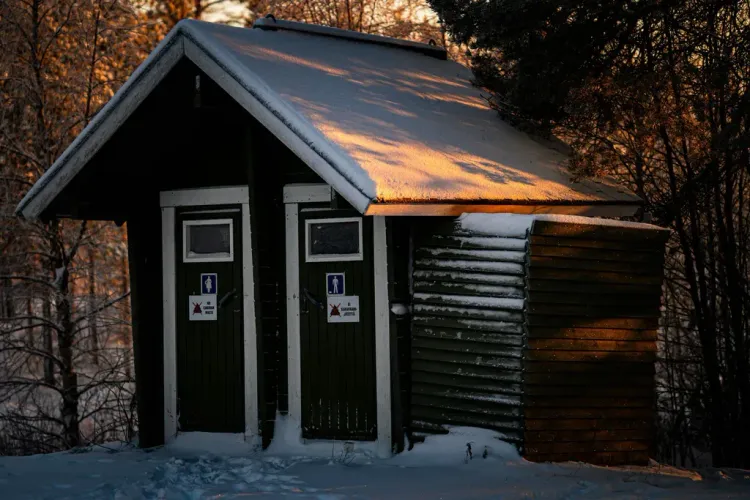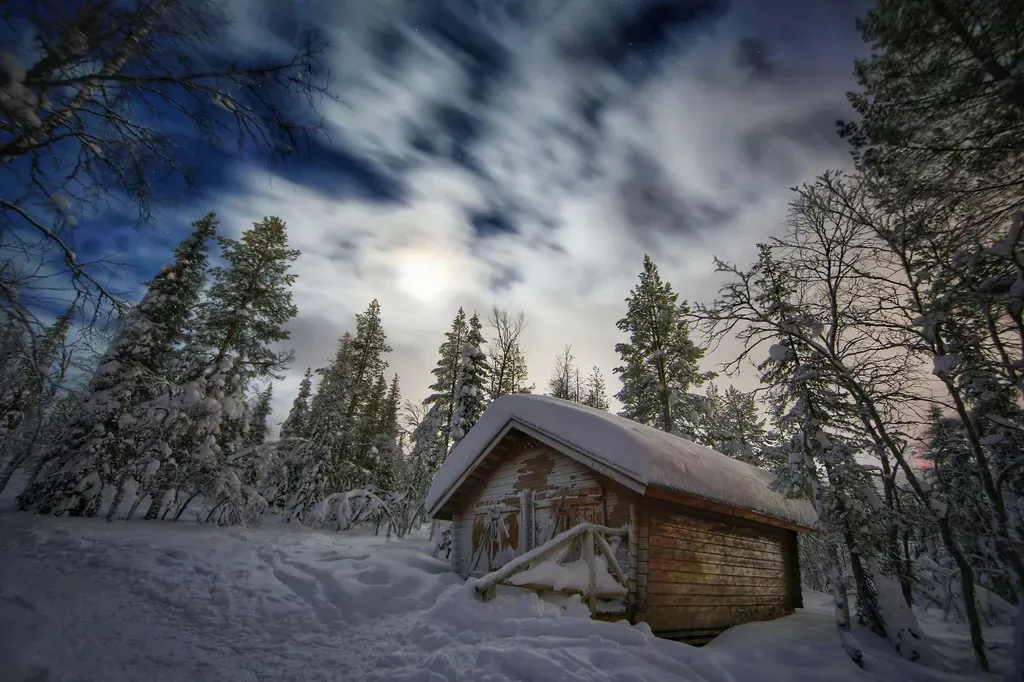
Lapland travel looks simple from the outside: book a place to stay, bundle up, and go chase snow and Northern Lights. But once you start comparing a hotel vs cabin in Lapland, the choice gets much more interesting. In Arctic destinations across Finland, Norway, Sweden, Iceland, and Denmark, the right base can shape everything from how relaxed your trip feels to how easily you can enjoy the landscape around you.
The short version: hotels usually win on convenience, while cabins usually win on privacy and atmosphere. But the best option depends on your travel style, your budget, and whether you want a trip that feels polished and easy or quiet and immersive. If you are building a winter escape in Finnish Lapland, planning a Northern Lights trip, or exploring a slower Nordic stay near the forest, the choice matters a lot.
Lapland also has some very specific travel realities that make this decision more important than it would be elsewhere. In winter, daylight can be short, roads may be snowy or icy, and many of the best experiences are spread out across forests, fells, lakes, and resort villages. A base in Rovaniemi gives you access to airport connections, city services, Santa Claus Village, and easy excursion logistics. A base in Levi puts you closer to ski slopes, sauna culture, and a compact resort setting where many activities are within reach. In both cases, your accommodation can either simplify your trip or add friction.
Here is a practical comparison to help you decide.
Quick answer: hotel or cabin in Lapland?
If you want the simplest, least stressful trip, choose a hotel. Hotels are often the better pick for travelers who want bundled services, easy winter logistics, breakfast included, and help arranging excursions or transfers.
If you want more space, more privacy, and a stay that feels more connected to nature, choose a cabin. Cabins are often best for couples, families, repeat visitors, or anyone who wants a slower and more self-directed Arctic experience.
There is no single best answer for everyone, especially across Finnish, Swedish, and Norwegian Lapland, where the landscape, transportation, and style of accommodation can vary a lot. If you are planning a broader Nordic trip, it helps to think about your stay as part of the whole journey, not just a room for the night. For more planning context, see Finland and Lapland: How to Plan the Perfect Nordic Winter Escape and How to Plan a Northern Light Trip in the Nordics: Best Places, Timing, and Practical Tips.
Quick comparison: the biggest differences
Here is the simplest way to compare a hotel vs cabin in Lapland:
- Comfort: Hotels usually offer more consistent service and daily housekeeping; cabins feel more home-like and spacious.
- Privacy: Cabins usually win. Hotels are more social and shared.
- Scenery: Cabins often place you closer to nature; hotels are often closer to towns, restaurants, and activity pick-up points.
- Meals: Hotels often include breakfast and sometimes dinner; cabins may require self-catering.
- Flexibility: Hotels are easier for short stays and activity-packed itineraries; cabins suit slower trips.
- Budget: Hotels can be more expensive up front, but cabins can add costs for groceries, transport, and logistics.
A useful way to think about it: hotels reduce planning, cabins increase immersion.
Lapland’s appeal is not just the snow. It is the combination of silence, distance, and contrast: warm interiors against cold air, dark skies against bright snow, and comfortable bases set in a landscape that still feels wild. That is why the type of stay matters so much.
What to expect from a hotel stay in Lapland

A hotel in Lapland is usually built around convenience. You arrive, check in, and have a staff team ready to help with the practical details that matter in winter. That can include airport transfers, taxi advice, activity bookings, storage for outerwear, and recommendations for where to eat or what to do if weather changes.
That support matters more in the Arctic than it might elsewhere. Winter travel in Lapland can involve snow-covered roads, limited daylight, and changing conditions. A good hotel takes pressure off the trip. You do not need to worry as much about groceries, meal prep, or check-in instructions in the dark.
Many Lapland hotels also include features that fit the climate well:
- Heated indoor spaces
- Reliable breakfast service
- On-site restaurants
- Saunas
- Easy access to town centers or activity hubs
For first-time travelers, that can be a huge advantage. Hotels are often a strong choice in popular bases like Rovaniemi, Levi, or Saariselkä, where you may want to book excursions, dine out, and keep the trip simple.
Why hotels work especially well in Rovaniemi
Rovaniemi is one of the easiest places to understand the hotel advantage. As a practical gateway to Finnish Lapland, it has more urban infrastructure than many smaller Arctic destinations. If you want to land, settle in quickly, and start activities without juggling groceries or transport on day one, a hotel is often the smartest choice.
It is also useful if your plans include:
- Santa Claus Village
- Reindeer or husky experiences
- Museum visits
- Dinner reservations
- A short stay before moving deeper into Lapland
In Rovaniemi, hotel convenience can help you make the most of a limited trip. You spend less energy on logistics and more on actually seeing the region.
Why hotels are a strong fit in Levi
Levi is different from Rovaniemi, but hotels still make a lot of sense there. Levi is a compact resort area, so a hotel can place you near ski lifts, restaurants, and activity providers. If your ideal trip includes skiing, spa time, and easy evening plans, a hotel can keep everything close together.
That is especially helpful when you are tired after a day in the snow. In Levi, the value of a hotel is less about city convenience and more about not needing to coordinate every detail yourself. You can come back from a day on the slopes, warm up, and head straight to dinner or the sauna.
If you are planning a first winter trip to Finland, a hotel is often the easiest way to stay focused on the experience rather than the logistics. A city-based or resort-style hotel can also pair well with a broader itinerary in northern Finland, Sweden, or Norway, especially if you are combining several destinations.
The main tradeoff is space. Hotel rooms in Lapland can feel compact, especially compared with cabins. But if you are staying only one or two nights, compact can be fine. In fact, a hotel can be the better choice precisely because it reduces decision fatigue.
What to expect from a cabin stay in Lapland
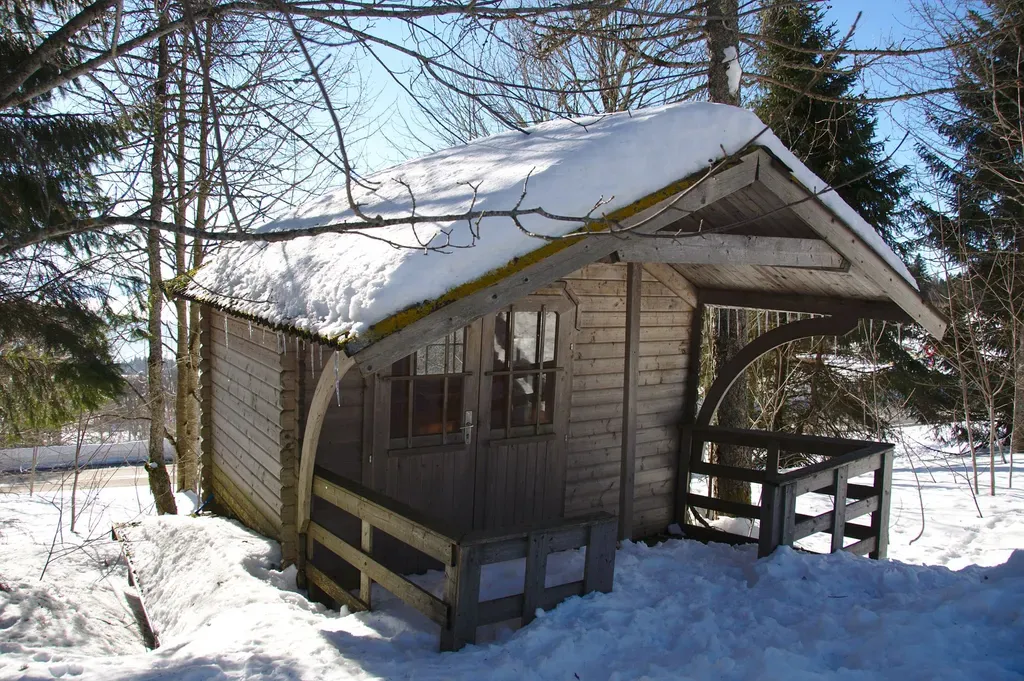
A cabin stay feels different from the moment you arrive. Instead of a lobby and front desk, you often get a quieter, more private setting with more room to settle in. That can mean a log cabin in the forest, a lakeside retreat, or a wilderness-style stay just outside town.
Cabins are especially appealing if you want the feeling of being closer to nature. Waking up to snow on the trees, soft winter light, or a frozen lake outside your window can make the trip feel much more personal. In places like Finnish Lapland, that atmosphere is often part of the reason travelers book a cabin in the first place.
Cabins also tend to give you more space to spread out. That matters for:
- Families with gear, layers, and snacks
- Couples on a romantic getaway
- Longer stays where you want a living area
- Travelers who prefer a slower pace
Many cabins also come with kitchen access or full self-catering setups, which can be very useful in winter. Eating on your own schedule is a real benefit when you are tired after a snowmobile tour or a day outside in subzero temperatures.
A good cabin is not just a room in the woods. In Lapland, the best cabins often reflect the landscape around them: timber, large windows, a sauna, and a layout that encourages slowing down. That is why the stay can feel like part of the destination rather than simply accommodation.
The tradeoff is that cabins usually require more planning. You may need to arrange groceries, rent or book transport, and manage check-in more independently. If the cabin is outside town, you may also need to think carefully about winter road conditions. A cabin can feel magical, but it is more hands-on.
For travelers who want a distinctive stay in Finland, a wilderness-style option like KAAMOSGAMMI — Unique Stay in Ylläs captures the appeal well: space, privacy, and a stronger sense of the landscape.
If you want a more detailed accommodation overview before choosing, this guide is also useful: Unique Lapland Accommodation Types: Igloos, Cabins & Hotels.
Northern Lights: which stay gives you the better experience?
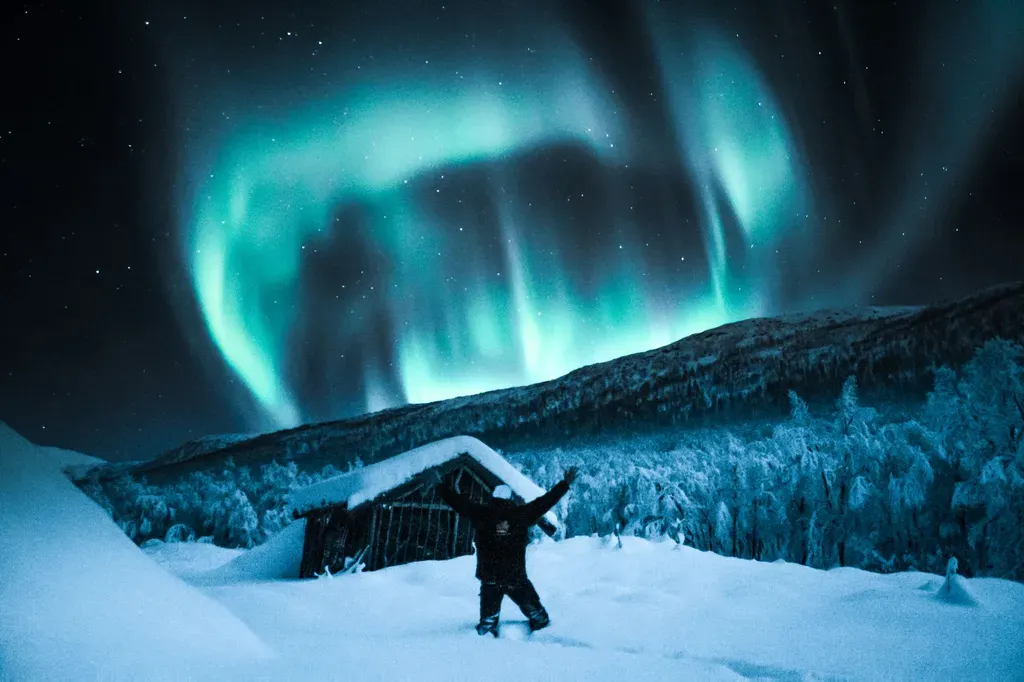
For aurora viewing, the building type matters less than the location. Whether you choose a hotel or a cabin, the most important factors are:
- Low light pollution
- Dark skies
- A clear horizon
- Easy access to step outside quickly
- Flexibility if the weather changes
That means a cabin is not automatically better for the Northern Lights, and a hotel is not automatically worse. Either can work well if it is in the right place.
A cabin does offer one obvious advantage: privacy. You can step outside without sharing the view with many other guests, and you do not have to compete for the best viewing spot. That can make the experience feel calmer and more intimate.
Hotels, on the other hand, sometimes provide aurora-focused viewing areas, lounges, or even special windows and outdoor spaces designed for guests who want to watch the sky comfortably. For travelers who want warmth, indoor amenities, and the ability to go back inside quickly, that is appealing.
The most practical advice is this: prioritize darkness over property type. A well-located hotel in one of the best aurora zones can outperform a cabin in a brighter area. For a balanced comparison of the two, this external guide is helpful: Glass Igloo vs. Log Cabin in Lapland.
If you want to plan your aurora trip more carefully, this guide can help: How to Plan a Northern Light Trip in the Nordics.
For some travelers, the best Northern Lights setup is a cabin outside town. For others, it is a hotel with easy transport, heating, and a place to warm up between sky checks. Weather, cloud cover, and solar activity will always matter more than whether your base is a hotel or cabin.
What Lapland is really like in winter
Lapland is not just “cold.” It is an Arctic and subarctic region shaped by snow cover, low light, large distances, and a rhythm that changes with the season. In midwinter, some days can feel short and quiet, with only a few hours of daylight in the north. That has a direct impact on how you should choose accommodation.
A hotel makes more sense if you want warmth, lighting, and indoor conveniences ready the moment you return from outside. A cabin makes more sense if you want to lean into the atmosphere of winter itself.
Practical realities to keep in mind:
- You may be arriving or checking in in the dark.
- Roads can be snow-covered or icy.
- Day trips may start early and end after sunset.
- Sauna, heating, and drying space matter more than usual.
- Being close to activity departures can save a lot of time.
This is why Lapland accommodation is rarely just about “where to sleep.” It is part of your winter strategy.
Who should choose a hotel in Lapland?
A hotel is usually the best choice if you want convenience and structure. It is especially good for:
- Travelers who want breakfast included
- Short stays of one or two nights
- People booking several excursions
- Guests who prefer concierge-style support
- First-time Arctic visitors
- Travelers who do not want to cook or shop in the snow
Hotels also make more sense if you are following a packed itinerary. If your trip includes airport transfers, husky tours, sauna time, dinner reservations, and maybe a Northern Lights chase, a hotel keeps the whole trip organized.
That is part of why hotels are so popular in well-known Lapland bases. They work well when the destination is an activity hub rather than a remote retreat. If you are trying to decide where to base yourself without a car, related destination planning can help, such as Stay in Kiruna or Abisko: Which Is Better Without a Car?.
If your goal is maximum ease, choose the hotel.
Who should choose a cabin in Lapland?
A cabin is usually the better choice if you care more about atmosphere than convenience. It is especially good for:
- Couples wanting privacy
- Families needing space
- Longer stays
- Travelers who like self-catering
- Repeat visitors who know the region
- People who want a quieter, retreat-like trip
Cabins can also be ideal if you want your stay to feel like part of the landscape, not just a place to sleep. That is one reason they are often favored by slower travelers who want time to read, cook, watch the snow, and simply enjoy the Arctic setting.
They are also a strong fit for travelers who already feel comfortable with Nordic winter logistics. If you have been to Lapland before, or if you do not mind arranging transport and groceries yourself, a cabin can feel wonderfully free.
For many travelers, the emotional difference is the biggest one: a hotel feels like a trip base, while a cabin feels like a destination in itself.
Cost, convenience, and value: how to compare them
When comparing a hotel vs cabin in Lapland, do not look only at the nightly rate. The real value depends on what is included.
A cabin may look cheaper at first, but you may need to add:
- Groceries
- Transfers or a rental car
- Extra planning time
- Cleaning or service fees in some cases
A hotel may cost more per night, but it often includes:
- Breakfast
- Housekeeping
- On-site support
- Easier transport
- Less time spent organizing meals
For a short trip, a hotel often gives better overall value because it keeps things simple. For a longer stay, a cabin may become better value, especially if you use the kitchen and enjoy the space.
A useful rule: if you will spend most of your time out on tours, a hotel may be worth the premium. If you plan to stay in, cook a few meals, and enjoy the surroundings, a cabin can be a better investment.
If you are planning a full Finland itinerary, it also helps to match accommodation style with destination style. This destination guide can help you choose the right region and trip structure: Finland Travel Guide: Where to Go, When to Visit, and How to Plan Your Trip.
How activities and logistics change the choice
Lapland travel is often activity-driven. You may be joining a snowmobile safari, visiting a reindeer farm, going on a Northern Lights excursion, or taking a scenic day trip. Your accommodation should support that, not complicate it.
Hotels usually make this easier because:
- Transfers are simpler
- Staff can help with booking
- Meals are already handled
- You can move from one activity to the next with less friction
Cabins are better when you want a slower rhythm. But they can require more self-management around:
- Arrival and departure timing
- Grocery runs
- Dinner planning
- Transport in winter conditions
This matters in places like Levi, where many travelers come for a mix of skiing, winter fun, and relaxed evenings. A hotel can keep you close to the action, while a cabin can give you a more secluded reset after a full day outside. In Rovaniemi, the balance often tilts toward ease and connection to town services. In deeper wilderness areas, the cabin becomes more compelling because the setting itself is the experience.
If you are the kind of traveler who wants to keep everything flexible and spontaneous, cabins can be excellent. If you want a seamless base that supports daily excursions, hotels are usually the better fit.
How to decide for your Lapland trip
Use this simple checklist:
Choose a hotel if:
- Your trip is short
- You want breakfast and easy meals
- You are booking lots of tours
- You want support from staff
- You are new to Arctic travel
Choose a cabin if:
- You want privacy and space
- You prefer a more scenic, quiet setting
- You want to cook some meals
- You are staying longer
- You want the trip to feel like a retreat
Also think about destination. A hotel may make more sense in a lively town base, while a cabin may be perfect in a forested or lakeside setting. The right choice is often less about “hotel or cabin” in the abstract and more about how the stay fits the location and your itinerary.
For a wider sense of how different Nordic destinations pair with different stay styles, you can also browse regional planning guides as you refine your trip.
Best times to book and stay
In peak winter, hotels can be a smart choice because they reduce stress when roads, weather, and daylight are at their most challenging. That is especially true if you are traveling during the most popular aurora season and want a well-managed base.
Cabins often shine in deep winter and shoulder season when you want a quieter, more atmospheric trip. If your priority is space, nature, and privacy, those calmer periods can make cabin life especially enjoyable.
In the busiest weeks, book early no matter which option you choose. The best Lapland stays fill fast, particularly in well-known destinations in Finland, Sweden, and Norway.
Final verdict: which should you choose?
If you want the simplest answer, here it is:
- Choose a hotel if you want convenience, included meals, easy logistics, and support.
- Choose a cabin if you want privacy, space, scenery, and a more self-directed experience.
For most first-time visitors, a hotel is the safer and easier choice. For couples, families, and slower travelers who want a more personal Arctic escape, a cabin is often more rewarding.
There is no single best stay for Lapland. The best choice is the one that matches how you want to feel during the trip: cared for and effortless, or private and immersed. If you get that part right, the rest of the journey gets much easier.
FAQ
Is a hotel or cabin better for the Northern Lights in Lapland?
Either can work. The best choice is usually the one in the darkest location with the clearest view and the least light pollution.
Are cabins in Lapland colder than hotels?
They can feel more variable, but most Lapland cabins are built for winter and are well heated. Hotels are usually simpler if you want a consistent indoor temperature.
Do I need a car if I stay in a Lapland cabin?
Often yes, especially if the cabin is outside town. Some cabins are easier to reach by transfer, but a car gives you much more flexibility.
Are hotels in Lapland better for first-time visitors?
Usually yes, because they are easier to book, easier to reach, and less stressful when you are unfamiliar with Arctic travel logistics.
Which option is better for families?
It depends on the family’s style. Hotels are easier for convenience, while cabins are better if you want space, a kitchen, and a more private stay.
Should I book a hotel or cabin for a short Lapland trip?
For a short trip, a hotel is often the easier choice because it reduces planning time and keeps everything simple.