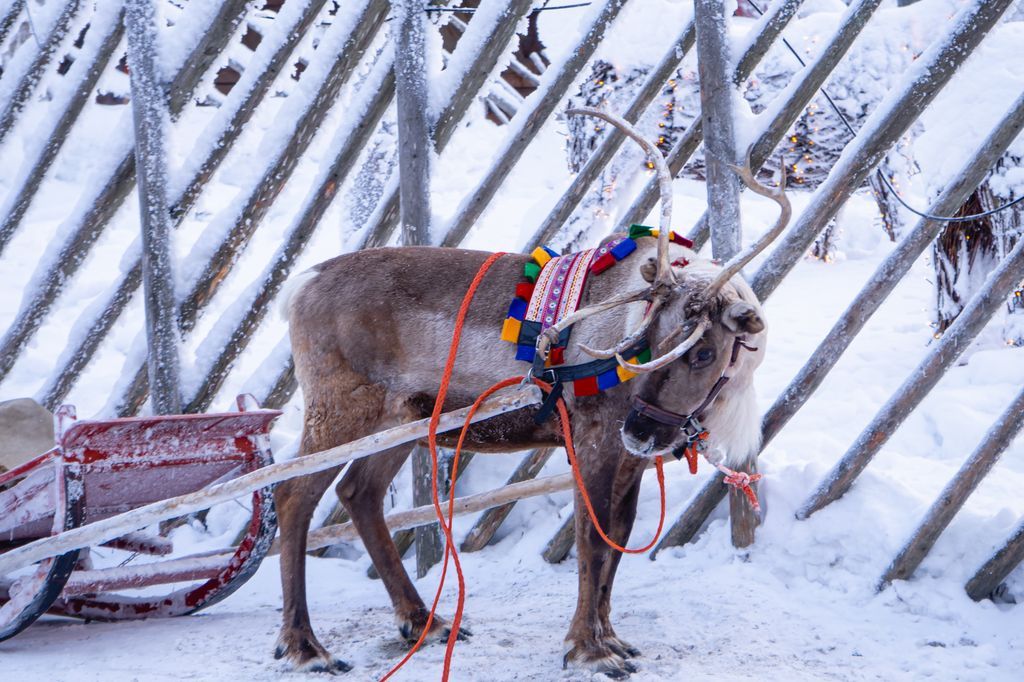
If you are planning finland and lapland as one trip, the simplest approach is usually the best: pick one season, choose one or two strong bases, and build your days around weather, daylight, and the winter activities you actually want to do. That is the difference between a stressful Arctic checklist and a trip that feels calm, practical, and memorable.
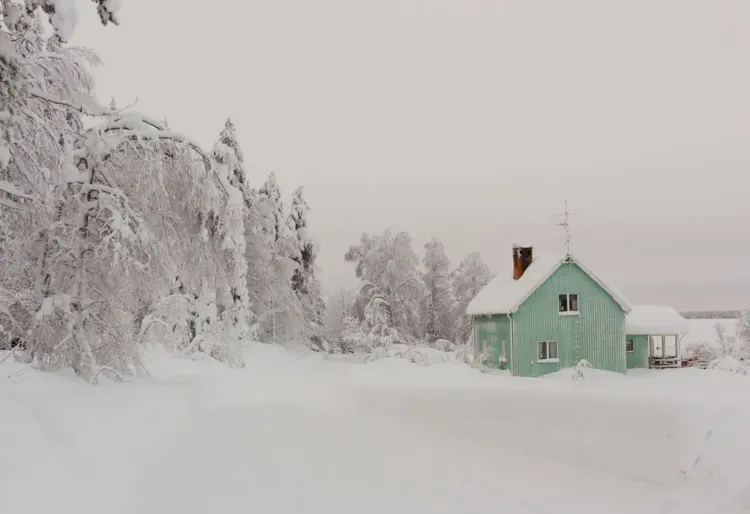
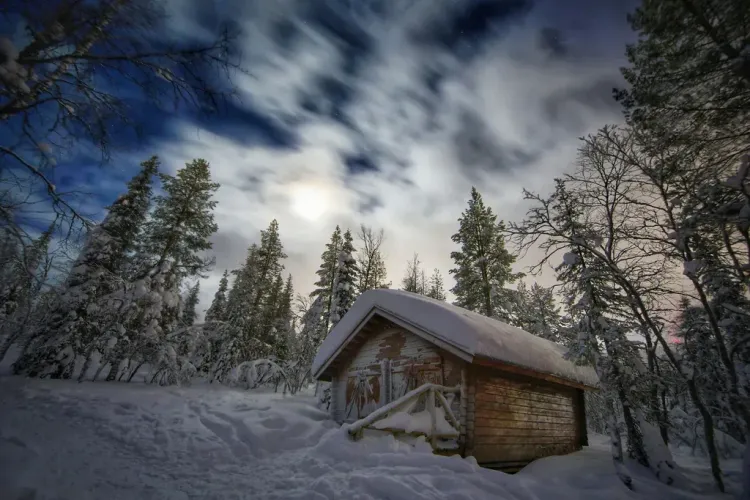
Finland gives you the comfort side of the journey: reliable transport, clean hotels and cabins, good food, sauna culture, and easy logistics. Lapland gives you the wilderness: snow-covered forests, long nights for the aurora, frozen lakes, reindeer, huskies, and a pace that is noticeably slower than southern Finland. Put them together and you get one of the most rewarding winter trips in the Nordic region.
For a broader look at how Finland sits within the Nordic world, see The Nordic Countries: Your Ultimate Travel Guide.
Why Finland and Lapland belong on the same trip plan
First, a quick clarification: Lapland is not a separate country. It is the northern region of Finland, stretching across the Arctic north and shaped by colder weather, longer winters, and bigger distances between settlements. That matters because many travelers search for “finland lapland” when what they really want is a winter-focused nature trip with good infrastructure.
In other words, you are not choosing between Finland or Lapland. You are choosing how much of each to include.
Lapland is where you go for the Arctic experiences: aurora viewing, snowmobile rides, huskies, reindeer, and wide-open winter landscapes. Finland outside Lapland gives you useful contrast: a capital stop, easier international connections, and a softer landing before heading north. If your route includes southern Finland at all, keep it brief and practical.
The appeal of this combination is balance. You get:
- cultural comfort in Finland
- true winter scenery in Lapland
- strong tourism infrastructure without sacrificing atmosphere
- easy access to Arctic activities without needing expedition-level planning
The main trip styles are straightforward:
- Northern Lights chase: maximize dark skies and flexible evenings
- Winter adventure: huskies, snowmobiles, skiing, and snowshoeing
- Family trip: short transfers, Santa-related stops, easy activities
- Slow scenic escape: cabins, sauna, walking, and minimal moving around
Best time to visit Finland and Lapland
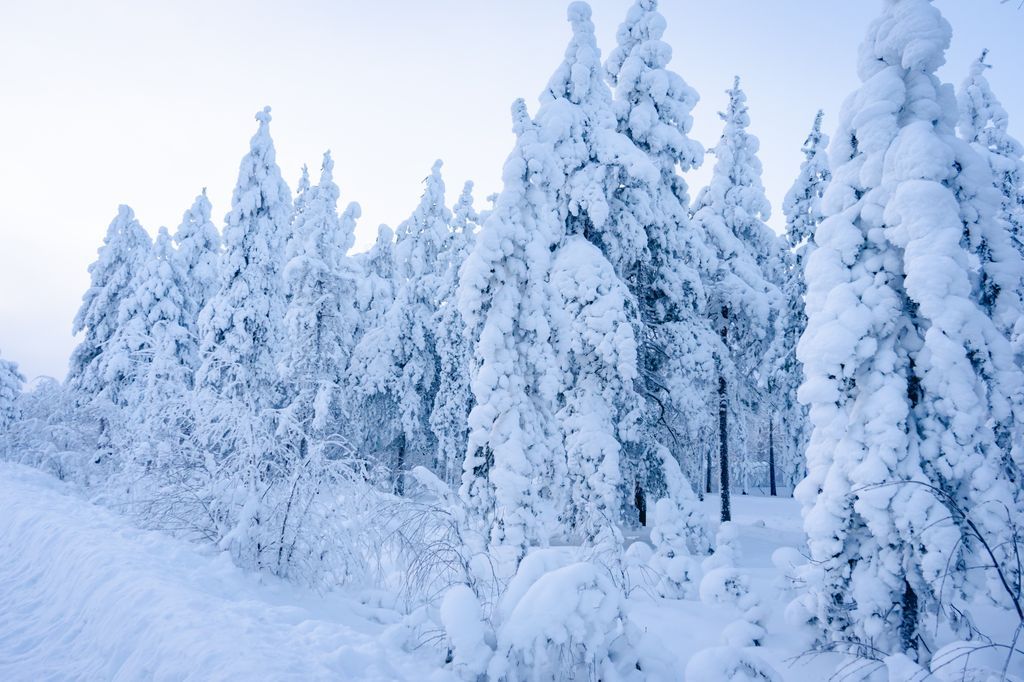
The best month depends on what you want most: aurora, daylight, snow quality, or a quieter experience.
December
December brings the strongest winter atmosphere, especially around Christmas. It is dark, festive, and very atmospheric, but daylight is limited and popular dates book up early. Snow conditions are often good, though early December can be less predictable than midwinter. This is the season for travelers who want the classic Christmas-card version of Lapland and do not mind the crowds.
January
January is deep winter. Expect short days, very cold temperatures, and excellent conditions for snow activities. It is one of the best months for Northern Lights trips because the nights are long and skies can be clear, but comfort depends on good clothing and realistic pacing. If you want the full Arctic feeling, January delivers.
February
February is one of the most practical winter months. Snow is usually reliable, daylight is improving, and conditions often suit outdoor activities very well. It is cold, but the extra light makes the days feel more usable. This is a strong choice if you want winter photos, active days, and decent aurora chances.
March
March is often the sweet spot. You still get winter landscapes and good snow cover, but there is more daylight, which makes skiing, walking, and scenic travel easier. For many travelers, March offers the best balance of comfort, visibility, and activity options.
Early April
Early April can still work well in Finnish Lapland, especially for late-season snow and quieter travel. The trade-off is that conditions become more variable. Some years hold excellent snow; other years begin to soften. If you want a less crowded trip and are flexible, this can be a smart pick.
Best time by travel goal
- Northern Lights: late autumn through early spring, especially when skies are dark and clear
- Skiing and snow activities: February and March
- Winter photos: February and March for better daylight
- Festive atmosphere: December, especially around Christmas
- Quieter travel: January, March, or early April outside holiday periods
For aurora planning across the Nordic region, this is also useful: Best Times & Places to See the Northern Lights in Europe.
Where to go in Finnish Lapland
Your base matters more than many first-time visitors expect. It determines how much time you lose in transfers, whether you need a car, and what activities are easiest to reach.
Rovaniemi
Rovaniemi is usually the easiest base for first-time visitors. It has the strongest transport links, plenty of tours, good hotel choice, and practical access to Santa Claus Village and nearby winter activities. It works especially well for families, short trips, and travelers who want the simplest logistics.
Best for:
- first-time visitors
- families
- travelers without a car
- short winter trips
Atmosphere:
- busier and more developed than smaller Lapland bases
- practical rather than remote
- good for combining activities with straightforward transfers
Levi
Levi is one of the best all-around choices if you want a winter resort feel with strong activity options. It is especially good for skiing, snowboarding, and easy access to guided tours. Levi feels more like a winter holiday hub than a remote outpost.
Best for:
- skiers
- couples
- travelers who want variety
- people happy to stay in one place
Atmosphere:
- lively by Lapland standards
- compact and convenient
- strong resort infrastructure
Saariselkä
Saariselkä is a strong base for aurora-focused trips and slower winter travel. It feels more remote, with easy access to wilderness and a good range of cabins and hotels. If you want a quieter Lapland experience without going completely off-grid, it is a great option.
Best for:
- Northern Lights seekers
- couples
- slower travel
- travelers who want nature first
Atmosphere:
- calm and scenic
- less urban than Rovaniemi
- excellent for cabin stays
Ylläs
Ylläs is one of the best places for active winter travelers, especially those who want cross-country skiing, snowshoeing, and a more landscape-driven trip. It is less about one big resort center and more about space, snow, and outdoor time.
Best for:
- cross-country skiers
- active travelers
- repeat visitors
- travelers wanting a quieter feel
Äkäslompolo
Äkäslompolo works well if you want access to Ylläs area activities but prefer a village base with a more relaxed pace. It is a good fit for travelers who want nature, a smaller scale, and easy access to trails.
Best for:
- slow travel
- outdoors-focused trips
- travelers who prefer a village feel
One base or two?
For most winter trips, one base is enough. Two bases only make sense if you have at least a week and want to reduce backtracking.
A good split is:
- Rovaniemi + Levi for first-time visitors who want a mix of convenience and resort activity
- Rovaniemi + Saariselkä for a stronger aurora and wilderness combination
If you have only 5–7 days, too much moving around usually works against you.
What to do in Lapland: the experiences worth planning around
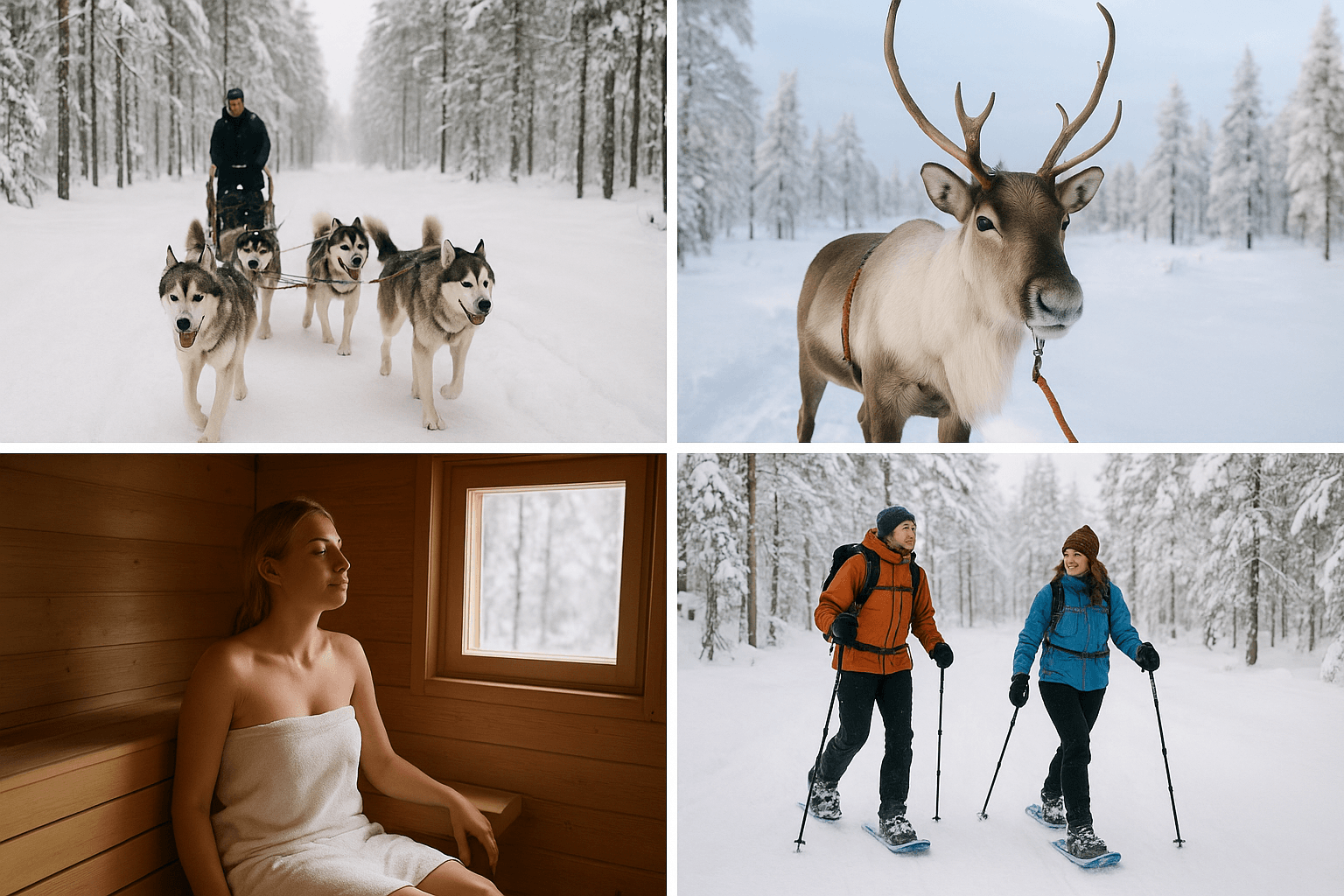
Travelers searching for Lapland usually want a handful of signature experiences. The key is not to overbook all of them at once.
Northern Lights viewing
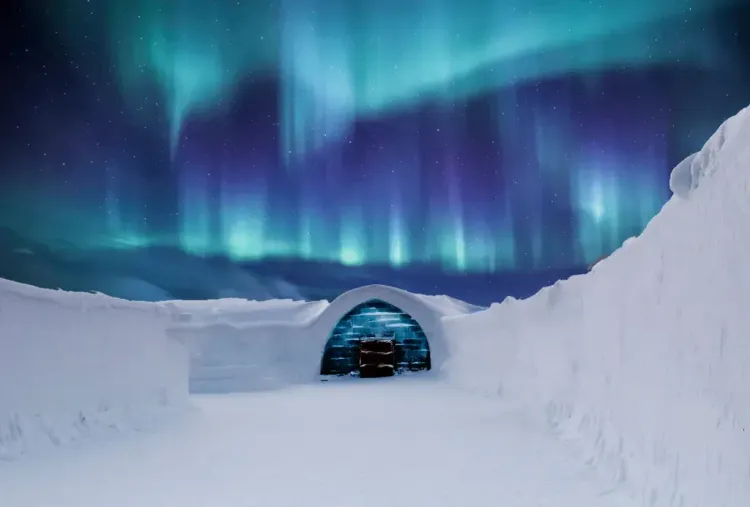
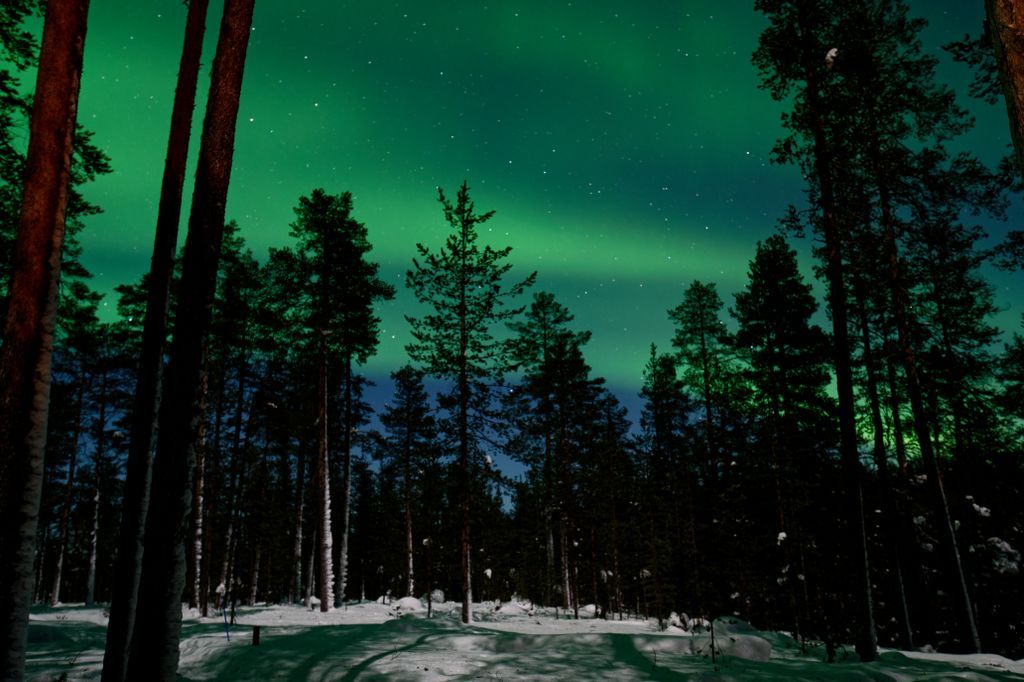
Aurora viewing is the big draw, but it is not something you can force. What helps most is dark skies, clear weather, and some flexibility in your evenings. Stay several nights, go outside the city lights, and keep expectations practical. You can improve your odds, but you cannot schedule the sky.
Husky rides
Husky safaris are one of the most memorable winter activities in Lapland. Choose operators that look well-run, keep the dogs in good condition, and explain the experience clearly. Ethical operations should feel calm, organized, and transparent about the dogs’ welfare.
Reindeer experiences
Reindeer trips are slower, quieter, and often more culturally grounded than husky rides. They suit travelers who want a gentler activity and a more traditional Lapland feel. Again, quality matters: choose places that handle the animals responsibly and do not rush the experience.
Snowmobile trips
Snowmobiling is practical if you want to cover more ground and see frozen landscapes efficiently. It is best for travelers who want a higher-energy outing. Always check requirements, age limits, and whether guided tours are better than self-drive options for your comfort level.
Sauna culture
A trip to Finland without sauna is incomplete. In Lapland, sauna is often the best way to end a cold day. If your accommodation includes a sauna, that is a real advantage, not a small bonus.
Slower winter activities
These are the activities that make the trip feel rounded:
- snowshoeing
- cross-country skiing
- winter walking
- time by frozen lakes
- cabin evenings with no agenda
The best itinerary combines one or two headline activities with open time. That is what keeps the trip from feeling rushed.
A practical 5–7 day Finland and Lapland itinerary
Here is a realistic structure that balances nature, culture, and logistics.
Day 1: Arrival
Arrive in Finland and transfer north, or spend one night in Helsinki if your flight timing makes that easier. Keep the first day simple. Buy snacks, sort gear, and rest.
Day 2: Base transfer
Travel to your Lapland base: Rovaniemi, Levi, Saariselkä, or another chosen area. Check in, unpack, and do a short walk or village visit. Leave the afternoon flexible in case of delays.
Day 3: First winter activity
Book one signature experience, such as a husky ride, reindeer visit, or snowmobile tour. Keep the evening free for an aurora attempt if the sky is promising.
Day 4: Scenic day
Use this day for skiing, snowshoeing, a forest walk, or a slow drive around the area if conditions are good. This is also a good day for a sauna and a low-key dinner.
Day 5: Aurora night or weather buffer
Make one evening flexible for Northern Lights viewing or a rescheduled tour. Winter weather changes fast, so a buffer day is useful.
Day 6: Culture or second activity
Visit Santa Claus Village if you are in Rovaniemi, or choose another local experience that suits your base. This is the day to keep the pace moderate, not packed.
Day 7: Return south or depart
Head back south, or connect to your departure flight. If you are short on time, compress the plan by dropping one activity day rather than the flexible weather day.
Short-trip version
If you only have 4–5 days, stay in one base and do:
- arrival
- one headline activity
- one scenic day
- one aurora attempt
- departure
If you want a brief southern Finland stop
Keep it short and functional. A night or two is enough for arrivals, transfers, or a city break before the north. For first-time city planning in Finland’s capital, see Oslo, Norway: The Practical Guide to Norway’s Capital for First-Time Visitors for a comparable Nordic city-trip mindset, or Norge / Norway: A Practical Guide to the Norway Country for First-Time Visitors if you are comparing winter trip styles across the region.
How to get there and get around
You can reach Finnish Lapland in several ways:
- domestic flights from southern Finland
- trains to key northern gateways
- long-distance road travel if you want maximum flexibility
A rental car is useful if you want freedom, especially for photography, multiple villages, or accommodation outside town centers. But it is not mandatory. Many travelers do just fine with airport transfers, guided tours, and a walkable base.
Winter driving basics
If you are considering self-driving, be honest about winter conditions. Roads can be icy, daylight is limited, and speed should be lower than you might expect. Driving in darkness on unfamiliar roads is not ideal for everyone. If you are not used to winter driving, transfers and tours are often the smarter choice.
Book onward connections early in peak season, especially around Christmas, New Year, and February school breaks. Transport choices also affect aurora flexibility: a car gives more freedom, but guided tours can remove stress and still take you to dark-sky areas.
Where to stay: from cozy cabins to glass igloos
Accommodation can shape the trip as much as the itinerary.
Hotels
Best for:
- convenience
- breakfast included
- easy transfers
- short stays
Cabins
Best for:
- privacy
- sauna access
- self-catering
- longer stays
Apartments
Best for:
- families
- budget control
- travelers who want a kitchen
Glass igloos and aurora cabins
These are good for one special night, especially if you want a memorable view without going outside. They are not always the best value for an entire stay, though. If the budget is tight, reserve them for one night and spend the rest of the trip in a practical cabin or hotel.
High-value booking filters:
- sauna access
- strong breakfast
- location near activities
- easy transfer options
Book early for peak winter dates and unique stays. The most popular cabins and glass accommodations go quickly.
What to pack for Finland and Lapland
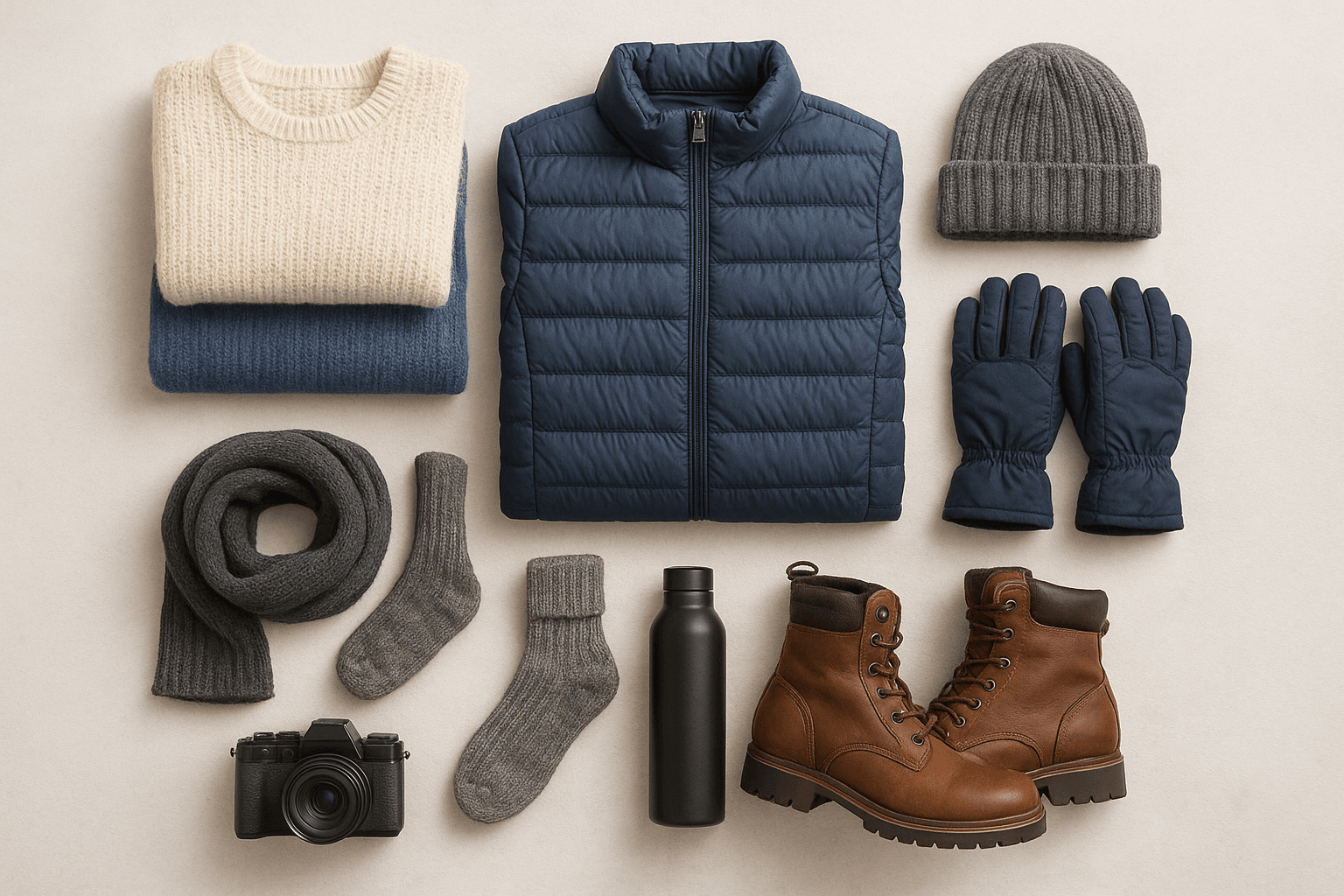
Packing properly matters as much as choosing the right base.
Core clothing
- thermal base layers
- insulating mid-layers
- waterproof outer shell
- winter boots
- gloves or mittens
- warm hat
- thermal socks
Dress in layers rather than relying on one heavy coat. That way you can adjust indoors, on transfers, and during active excursions.
Useful extras
- camera
- power bank
- headlamp
- hand warmers
- sunglasses for snow glare
- swimwear for sauna
- activity-specific gear if required
If you are going out after dark, a headlamp is surprisingly useful. If you will photograph the aurora, bring spare batteries and keep them warm.
Budget, booking, and common mistakes to avoid
Finnish Lapland is not a low-cost winter destination. Expect to pay for:
- accommodation
- tours
- transfers
- winter clothing rentals if needed
Where to save:
- choose a practical hotel or cabin instead of a premium glass stay for the whole trip
- book one or two headline activities rather than many expensive tours
- self-cater some meals if your base has a kitchen
Where not to cut corners:
- transport that is too stressful
- poor-quality sleep
- clothing that is not warm enough
Common mistakes:
- Planning only around the aurora and forgetting that daylight activities are the best part of the trip even if the lights do not appear.
- Choosing a base too far from activities and spending too much time in transfers.
- Booking peak dates late, especially Christmas and New Year.
- Underpacking for cold weather.
- Trying to move too often in a short trip.
Simple booking checklist
Before you book, confirm:
- your travel month
- your main goal: aurora, activities, family time, or slow scenic travel
- your base in Lapland
- whether you need a car
- whether your accommodation has sauna or breakfast included
- whether your key tours are available on your dates
FAQ
Is Lapland part of Finland?
Yes. Lapland is the northern region of Finland.
When is the best time to visit Finland and Lapland for Northern Lights?
From late autumn through early spring, especially when skies are dark and clear.
Do I need a car in Finnish Lapland?
Not always. It helps for flexibility, but many travelers use transfers and guided tours instead.
What is the best base for first-time visitors?
Rovaniemi is often the easiest starting point because it has strong transport links and many activities.
Is Finnish Lapland only for winter trips?
No, but winter is the most popular season for snow activities and aurora viewing.
How cold does Lapland get?
Temperatures can be very cold in midwinter, so layered clothing is essential.
Final takeaway
If you want the best version of finland and lapland, keep the plan simple: choose the right season, base yourself well, book a few key experiences, and leave room for weather and slow winter moments. That is how you get the balance of comfort, wilderness, and Arctic atmosphere that makes the Nordic north so rewarding.