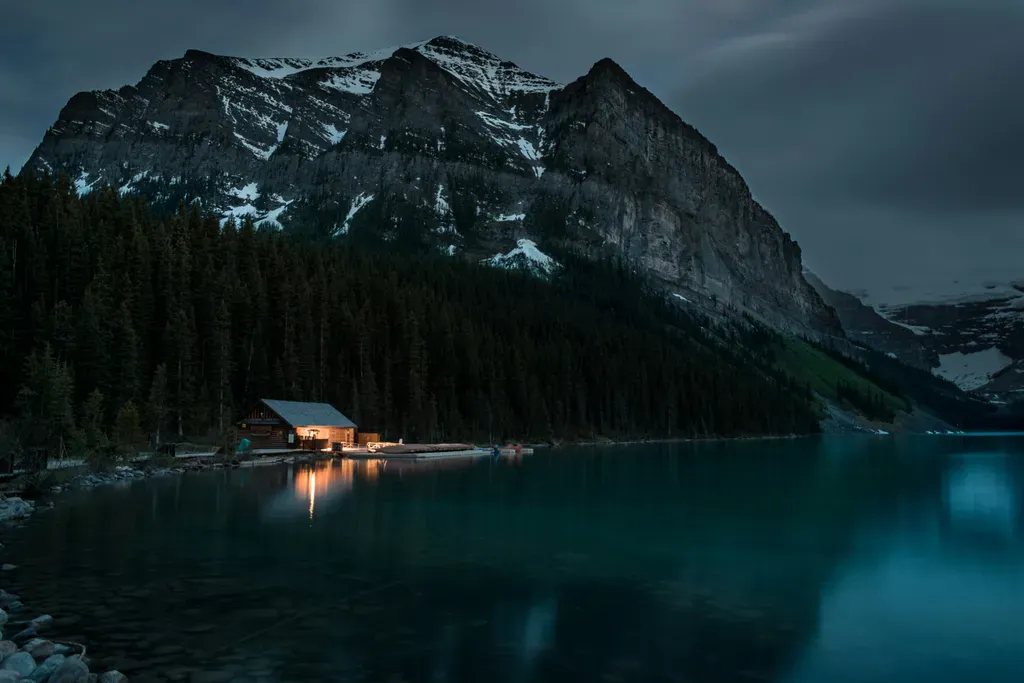
Intro: why the lodging choice matters for aurora trips in the Nordics
If you are planning a northern lights trip to Finland, Norway, Sweden, Iceland, or Denmark, where you sleep is more than a comfort decision — it can shape your actual chances of seeing the sky glow. The remote cabin vs resort decision matters because aurora viewing depends on darkness, open sky, weather, and how quickly you can respond when conditions change.
For first-time travelers, it is easy to focus on style: a cozy cabin, a glass-front suite, or a full-service lodge. But for an aurora trip, location and logistics often matter more than luxury. A simple cabin in the right dark-sky area may outperform a beautiful resort in a brighter location. At the same time, a resort with strong positioning, aurora alerts, and easy transfers can be the better choice if you want less stress.
For broader trip planning across the region, see How to Plan a Northern Light Trip in the Nordics: Best Places, Timing, and Practical Tips, which pairs well with this comparison.
Why your stay choice affects your northern lights experience
A cabin or resort can help or hurt your aurora odds in a few key ways.
First, there is light pollution. Even a small amount of artificial light can reduce contrast in the sky and make faint auroras harder to notice, especially when clouds move in and out. Second, there is sky access. You want a property with clear views, minimal tree cover, and easy outdoor access so you can step outside quickly when the lights appear. Third, there is weather resilience. Winter aurora travel in the Nordics often means wind, cold, snow, slush, and short daylight hours.
This is why the right region matters more than luxury alone. A stylish property in the wrong place can underperform, while a simple stay in the right part of Lapland, inland Norway, or Arctic Sweden may deliver a better experience. For travelers mapping where to go first, Finland Travel Guide: Where to Go, When to Visit, and How to Plan Your Trip and Norge / Norway: A Practical Guide to the Norway Country for First-Time Visitors are useful starting points.
A simple way to frame the choice is:
- Remote cabin = better if your priority is darkness, privacy, and a more self-directed aurora hunt.
- Resort = better if your priority is convenience, warmth, support, and built-in services.
What counts as a remote cabin vs a resort
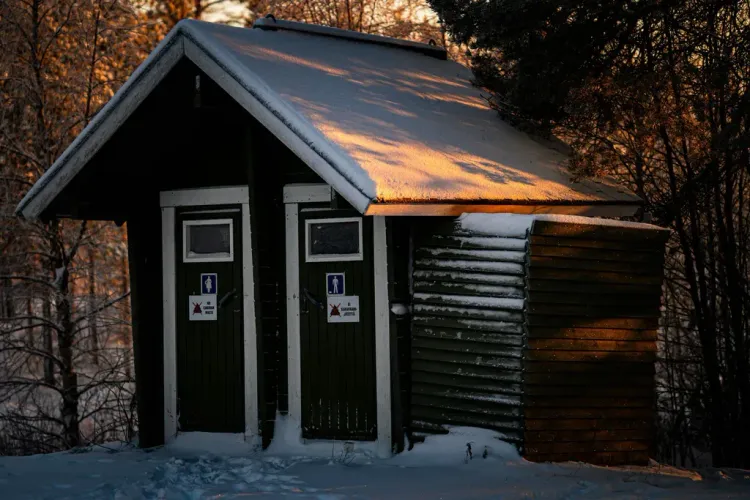
In a northern lights context, a remote cabin usually means a stand-alone or small-scale stay in an isolated setting, often in forest, lakeside, or Arctic countryside. It typically offers a quiet atmosphere, self-catering or limited services, and minimal light spill. In Finland, that might mean a snug forest cabin in Lapland or a distinctive property near Paljakka such as ARCTIC NEST CABIN 1 — Unique Stay in Paljakka or KUUSIPIRTTI - stays in Paljakka - Frosty Lands. These are the kinds of stays that can place you close to darkness and away from town glow.
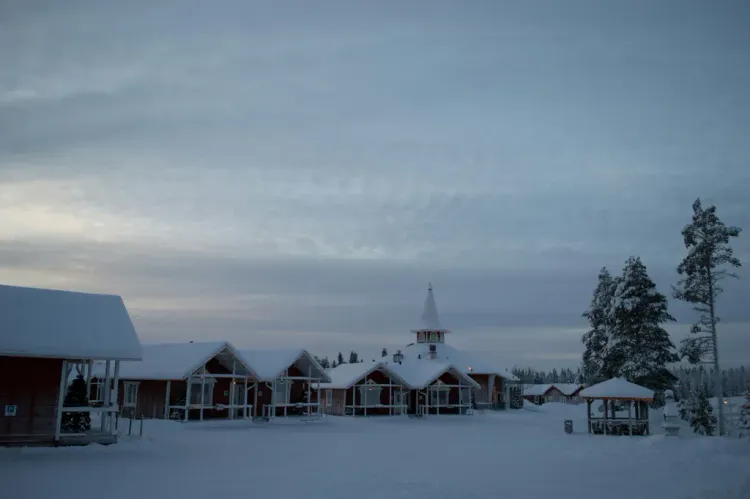
A resort, by contrast, is usually a staffed property with more structure: on-site dining, reception support, organized activities, shuttle options, and often aurora alerts. In the Nordics, resorts may still be highly distinctive — think log lodges, glass-roofed suites, fjord-side retreats, or Arctic-style bases — but they are generally more service-driven than a cabin.
The key point is that both can be distinctive Nordic stays. The difference is not “basic versus luxurious.” It is more about independence versus support. A remote stay like ARCTIC NEST CABIN 9 — Unique Stay in Paljakka | Frosty Lands may suit a self-sufficient traveler, while a resort may suit someone who wants help coordinating late-night aurora alerts or weather-driven changes.
Aurora viewing conditions: which stay usually has the edge
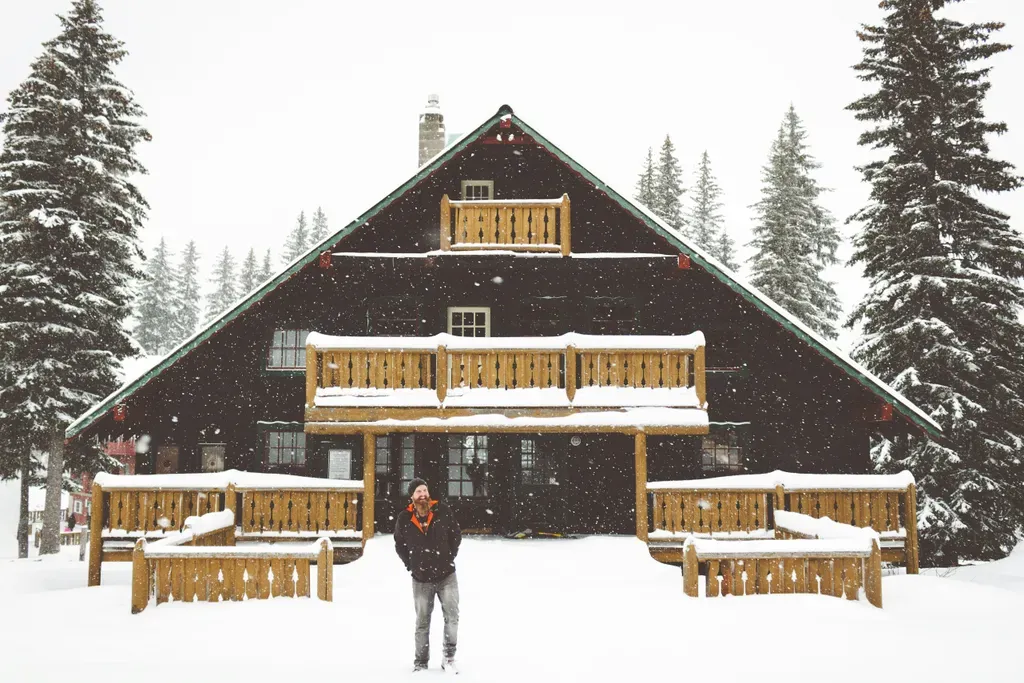
For pure sky viewing, a remote cabin usually has the edge — but only if it is truly remote.
Sky visibility from the property itself
Look for open ground, lake edges, clearings, and unobstructed horizons. A cabin with a wide outdoor area or a resort with an open viewing deck can both work well. Glass windows are useful, but you still want a property that lets you step outside easily. Window placement matters too: a north-facing or all-around viewing setup is more practical than a beautiful room with limited sightlines.
Distance from towns and artificial light
The farther you are from town lights, the better your contrast will be. That is why many aurora travelers favor forest cabins or countryside lodges in Finland and Sweden, or fjord and inland bases in Norway. In Iceland, distances between settlements can naturally create darker conditions, while in Denmark the challenge is greater because the country is not an Arctic aurora hub.
For a broader look at where the Nordics shine as travel destinations, this Nordic travel guide from Nordic Visitor is a useful external overview of the region’s major appeal and diversity.
How cabins can outperform resorts
A cabin can win if it sits in a very dark location with no nearby streetlights and easy outdoor access. It also helps if the cabin is designed for aurora viewing — think large windows, a terrace, and a setting where you can walk out quickly and safely.
How resorts can compensate
A resort can outperform a cabin if it is in a better location or if it solves logistics. Some properties offer aurora wake-up calls, real-time sky updates, or transport to darker spots. That matters on short trips when you do not want to spend time navigating winter roads. In other words, a resort in an excellent location may beat a cabin that is slightly darker but difficult to reach or poorly positioned.
Comfort, warmth, and weather protection
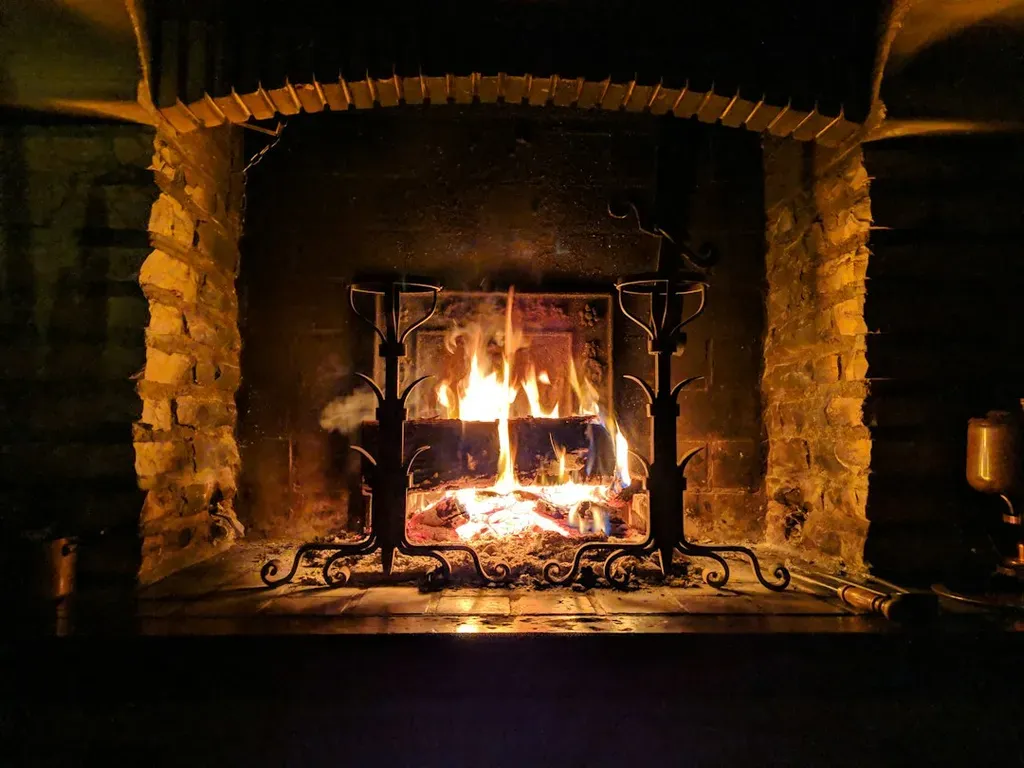
The aurora is only part of the experience. In the Nordics, you also need to consider what happens during the hours when the sky is not cooperating.
Heating reliability and winter readiness
A good cabin must be winter-ready. That means solid heating, reliable insulation, safe entryways, and enough protection for subzero conditions, snow, and wind. In Finland and Sweden especially, remote stays can be wonderfully cozy — but only if they are designed for real winter use, not just a scenic photo.
Indoor comfort during long waits
Aurora watching often involves waiting outside, then retreating inside, then going back out again. Resorts make this easier because you can warm up in a lobby, restaurant, or lounge. Cabins can be more intimate and quiet, but you may need to manage your own meals, firewood, and gear drying.
Self-sufficiency versus service
Cabins appeal to many travelers because they feel more personal. You cook your own meals, keep your own schedule, and enjoy the silence. That is part of the appeal. But if your gloves are wet, your boots are iced over, or the weather suddenly turns rough, a resort reduces friction. This is especially useful in peak winter conditions, when a comfortable indoor base can make the difference between enjoying the trip and merely enduring it.
For a closer look at the Finnish winter experience, Finland and Lapland: How to Plan the Perfect Nordic Winter Escape is a useful companion piece.
Getting there: transfers, roads, and winter logistics
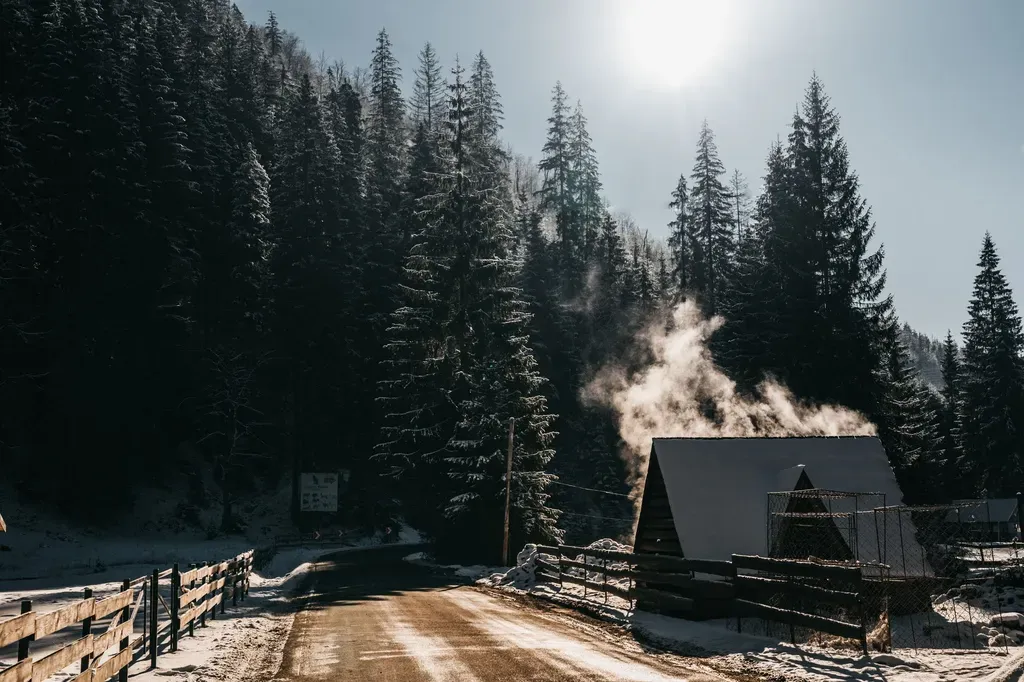
Access is where many aurora plans succeed or fail.
A remote cabin often requires a car rental, especially if it is outside a town or village. That gives you flexibility, but it also means dealing with icy roads, winter tires, darkness, fuel stops, and potentially slow driving after sunset. In Norway, long distances and fjord geography can make winter driving feel very different from a city break. In Iceland, road conditions and weather can change quickly. In Finland and Sweden, a car can open up beautiful dark-sky stays, but you still need to plan carefully.
A resort is sometimes the smarter choice for short trips or first-time visitors because it simplifies arrival. Many offer airport transfers, shuttle service, or easier pickup from a nearby town. If you are flying in for only a few nights, this reduced friction can be worth more than the extra darkness you might gain from a deeper out-of-the-way cabin.
This is why the tradeoff is not simply “remote is better.” It is “how much logistics are you willing to handle for darker skies?” In many cases, the best balance is a resort on the edge of darkness or a cabin with straightforward road access.
For travelers comparing locations without a car, Stay in Kiruna or Abisko: Which Is Better Without a Car? is especially helpful.
Budget and value: where the money goes
The price difference between a cabin and a resort is not always obvious.
What you pay for in a cabin
A remote cabin may have a lower nightly rate, but not always. Some premium Nordic cabins — especially those with distinctive design, strong privacy, and excellent aurora positioning — can be expensive. Also, cabins often shift more responsibility onto you. You may need to pay for:
- car rental
- fuel
- groceries
- parking
- extra heating or firewood in some cases
- self-paid activities and guides
What you pay for in a resort
A resort often costs more upfront, but it may include breakfast, dinners, transfers, tour access, guided activities, or aurora wake-up services. That bundled pricing can be good value if you want a simple trip with fewer moving parts.
How to judge value for aurora travel
If your main goal is the best chance of seeing the lights, value should be measured by sky quality per dollar, not just by room rate. A cheaper stay in a poor location can be false economy. Likewise, a resort that saves you from renting a car, buying groceries, and managing winter logistics may be worth the higher nightly price.
A useful rule is this: if the accommodation helps you spend more time under dark skies and less time dealing with transport stress, it may be the better value even if it costs more.
Who should choose a remote cabin
A remote cabin is usually best for travelers who want:
- privacy and quiet
- a slower pace
- a more self-directed trip
- strong aurora potential from the property itself
- flexibility to step outside at any hour without crowds
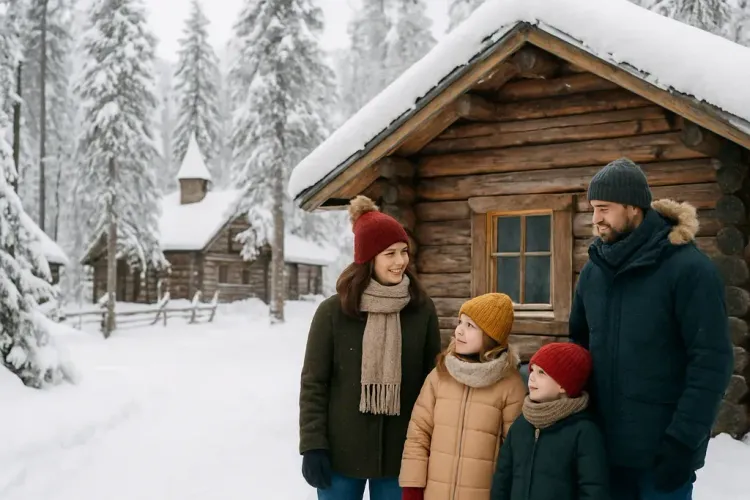
It is also a strong fit for photographers and repeat aurora chasers who are comfortable watching forecasts, managing their own meals, and handling winter conditions. Couples often love cabins because they feel intimate and special. Families may also prefer them if they want space and a private base.
If you are planning a trip that prioritizes atmosphere over services, a cabin can feel unforgettable. That is especially true in Finland, where forested Lapland stays and smaller northern properties often deliver an authentic winter experience.
Who should choose a resort
A resort is usually best for travelers who want:
- a simpler, lower-stress trip
- dining and activity options on-site
- aurora alerts or guided support
- help if weather changes quickly
- easier transfers and logistics
This is often the strongest choice for first-time visitors to the Nordics, especially in winter. If you have never driven in snow, never chased the aurora before, or only have a few nights to work with, a resort removes a lot of uncertainty. It also helps if you are traveling during peak season, when weather windows can open and close quickly.
For many travelers, a good resort is not a compromise. It is the practical way to make the trip feel smooth and enjoyable.
Best Nordic regions for each option
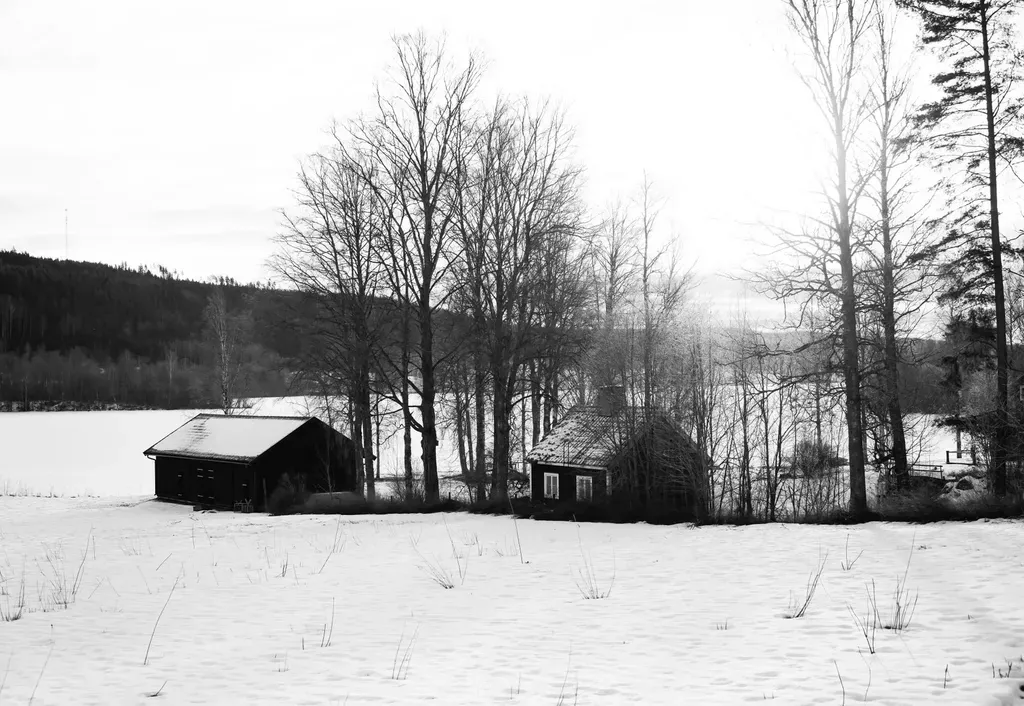
Finland: cabin-heavy stays and excellent dark-sky potential
Finland is one of the best countries for remote cabins because Lapland has strong aurora potential, winter infrastructure, and many distinctive stays. Forest cabins and lakeside properties can work very well, especially outside major settlement areas. If you want a more immersive cabin trip, Finland is often the easiest place to build it.
Norway: fjord and inland options
Norway offers dramatic scenery, but terrain and weather can make transport more complicated. That said, fjord-side lodges and inland northern stays can be excellent if they are far enough from town lights. Resorts can be a smart choice here because they reduce the stress of winter logistics while still giving you access to dark skies.
Sweden: Arctic options near Abisko and other dark-sky areas
Sweden is especially interesting for aurora travelers because some northern areas have excellent sky conditions. A cabin can work beautifully if it is positioned well, but resorts can also shine if they are near proven viewing zones. For broader context on Nordic trip planning, Scandinavia trip planning: which country should you go to? offers a useful comparison of how the countries differ for travelers.
Iceland: isolated stays and resort-style bases
Iceland is strong for both isolated stays and organized resort-style bases because many travelers use the country’s road network and excursion structure to build flexible aurora trips. A cabin can be excellent if it is far from town glow, but a resort can be better if you want help navigating weather and spontaneous overnight viewing.
Denmark: treat aurora-focused stays differently
Denmark is not where most travelers should focus if their primary goal is aurora viewing. It can be part of a broader Nordic trip, but for northern lights planning, Finland, Norway, Sweden, and Iceland are the more relevant choices. If Denmark is on your itinerary, think of it as a complementary stop rather than your main aurora base.
Bottom line: when a cabin wins and when a resort wins
If your top goal is the best possible sky access, a remote cabin usually wins — as long as it is truly dark, safely reachable, and winter-ready. If your top goal is comfort, support, and less stress, a resort usually wins.
The best balance often comes from either:
- a resort on the edge of darkness with strong aurora services, or
- a cabin with easy road access and genuinely low light pollution.
Before booking, ask yourself:
- Is the property far enough from artificial light?
- Does it have open sky and easy outdoor access?
- Can I reach it safely in winter?
- Do I want self-catering freedom or full-service support?
- Is my priority maximum aurora odds, or a smoother overall trip?
For first-timers, a resort is often the easier choice. For experienced aurora chasers, a remote cabin can be magical. The right answer depends less on the label and more on how well the stay matches your trip goals in Finland, Norway, Sweden, Iceland, or Denmark.
FAQ
Is a remote cabin better than a resort for seeing the northern lights?
Often yes for darkness and privacy, but only if the cabin is truly far from light pollution and easy enough to reach safely.
Can a resort still be good for aurora viewing?
Yes. A well-located resort can be excellent, especially if it sits in a dark area or offers aurora alerts and guided transport.
Do I need a car for a remote cabin trip?
Usually yes, unless the property offers transfers. In winter, many travelers prefer arranged transport if roads are snowy or icy.
What matters more than the type of stay?
Location matters most: darkness, open sky, and weather conditions usually matter more than whether the property is labeled a cabin or resort.
Are cabins always cheaper than resorts?
Not always. A premium remote cabin with private access can cost as much as, or more than, a resort depending on season and included services.
Which option is best for a first northern lights trip?
Many first-timers do better with a resort because it reduces logistics and provides support if weather changes or aurora forecasts improve.