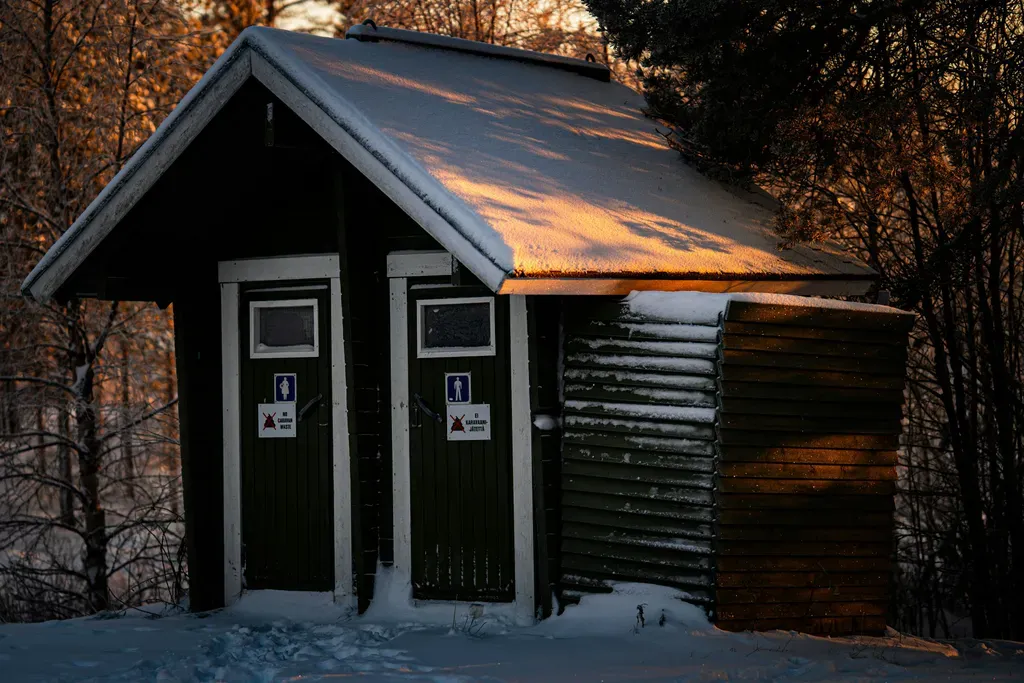
Quick verdict: cabin or hotel for a Lapland family trip?
The short answer: a self-catering cabin usually wins for longer family stays, while a hotel usually wins for short, low-stress trips. The best choice depends less on the nightly rate and more on how your family travels: whether you cook, how early your kids sleep, how much gear you bring, and how much winter logistics you want to manage.
For American travelers heading to Finnish Lapland, that last part matters a lot. In winter, location, transfers, and access to activities can matter almost as much as room type. A beautiful cabin far from town may feel magical, but if every outing requires careful timing, snow driving, and grocery runs, the trip can become more work than wonder.
So when you compare a self-catering cabin vs hotel, think in terms of:
- space for everyone to spread out
- flexibility around meals and bedtime
- weather and transport logistics
- access to activities like husky safaris, reindeer farms, and Northern Lights outings
- how much support your family needs day to day
If your family likes independence and a slower rhythm, a cabin can be ideal. If you want simple logistics and a smoother winter base, a hotel can be the better fit. For broader trip planning in the region, see Finland and Lapland: How to Plan the Perfect Nordic Winter Escape and Finland Travel Guide: Where to Go, When to Visit, and How to Plan Your Trip.
What a self-catering cabin feels like in Finnish Lapland
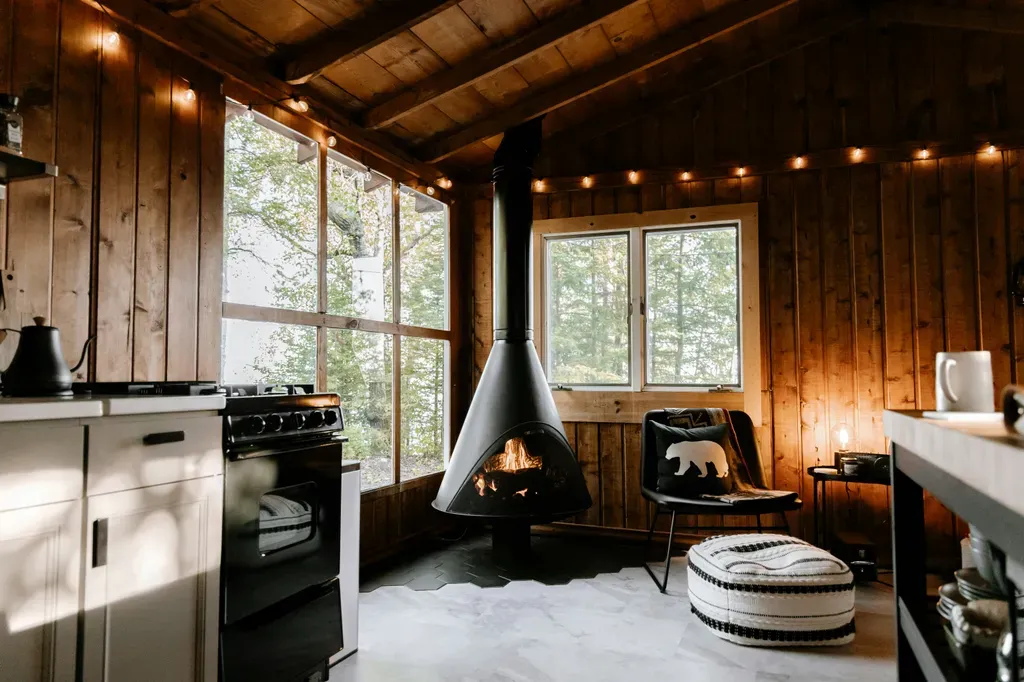
A Lapland cabin is usually much more than a room with a bed. For families, it often feels like a small holiday home: separate bedrooms, a living area, a kitchenette or full kitchen, and usually a place to dry wet clothes and winter gear. Many cabins also include a sauna, which is a major plus in Finland and a real part of the experience. If you want a deeper look at that tradition, our Finnish Sauna Guide: Where to Go, What to Expect, and How to Do It Right is a helpful read.
For families, the biggest cabin advantage is control. Kids can nap in one room while adults relax in another. Early bedtimes are easier when nobody has to tiptoe around a hotel corridor. Snacks, bottles, breakfast, and quick dinners are simple when you have your own kitchen. That can be a huge relief after a day outside in snow pants, mittens, and boots.
Cabins are especially appealing for longer stays because they support a more natural daily rhythm. You can make oatmeal before a tour, come back for lunch, and cook a simple dinner instead of eating out every night. That often works well for families visiting destinations like Rovaniemi, Levi, or Saariselkä, where the point of the trip is to experience winter activities, not just sleep somewhere between them.
The tradeoff is that cabins ask more from you. You may need to shop for groceries, plan meals, and do a bit more cleaning yourself. And unlike a hotel, there is usually no front desk to solve every issue instantly. If something goes wrong, you may need to handle it more independently.
Image idea: A cozy Lapland cabin interior with a fireplace, dining table, winter gear by the door, and a sauna towel on a bench.
What a hotel stay feels like in Lapland
A hotel in Lapland feels simpler from the moment you arrive. There is usually reception help, easier check-in, luggage support, breakfast service, and a more predictable routine. That matters after a long travel day from the United States, especially if you arrive with sleepy kids and a stack of winter clothing.
Hotels are often a strong choice for one- or two-night stays. If your family is only stopping in Lapland briefly on the way to another Nordic destination, or if you are combining Finland with a broader trip through Norway, Sweden, Iceland, or Denmark, the convenience of a hotel can outweigh the extra space of a cabin. For inspiration on planning multi-country Nordic routes, see Nordic countries travel guide: best places to visit.
Winter-specific perks matter here too. Hotels make it easier to move bags inside quickly, keep everyone in one secure place, and maintain a predictable breakfast routine before early activities. If weather turns rough, a hotel can reduce stress because you are not responsible for as much daily setup.
The drawbacks are familiar: family rooms can feel smaller, cooking options may be limited, and a multi-person stay can become expensive when you need more than one room or a larger suite. If your children are young, smaller spaces can also make nap times and bedtime trickier.
That said, hotel breakfast can be a major win. If your family prefers waking up to a ready-made meal rather than coordinating groceries and dishes, a hotel may save both time and energy.
Cost, convenience, and space: the real comparison
When families compare self-catering cabin vs hotel, the nightly price is only part of the story. The true cost includes food, transfers, parking, laundry, and how much planning your stay requires.
Cabins sometimes look cheaper at first glance, especially for families of four or more. But if the cabin is outside town, you may need a car. You may also spend more time grocery shopping and preparing meals. That does not necessarily make cabins more expensive overall, but it does mean the savings are not always as dramatic as they first appear.
Hotels can be better value when they bundle convenience. Breakfast is often included, and the central location can reduce transport costs. If your hotel puts you close to restaurants, activity pick-ups, or town services, you may spend less on taxis, parking, or extra logistics.
Space is another major factor. American families often travel with bulky winter clothing, strollers, sleds, camera gear, and ski or snow-play equipment. A cabin’s extra square footage can make a huge difference. You have more room to sort gear, dry mittens, and keep the whole family comfortable without feeling packed in.
A simple rule of thumb:
- Choose a cabin if your family values cooking, privacy, and room to spread out.
- Choose a hotel if your family values convenience, bundled services, and less daily coordination.
Image idea: A family in a Lapland hotel lobby with boots, gloves, and skis neatly organized near the entrance.
Lapland winter logistics that change the answer
In Finnish Lapland, winter logistics can decide the whole trip. Snow, darkness, and cold affect everything from breakfast timing to evening outings. A stay that looks perfect in summer can feel very different once temperatures drop and daylight is short.
That is why location is so important. If your cabin is close to town or near the activity hub, it can be excellent. But a remote cabin means more planning for every outing. You will need to think about transfers, grocery access, and whether you are comfortable driving in winter conditions. For many American families, this is the point where the decision shifts.
If you are planning to rent a car, a cabin becomes more flexible. If you do not want to drive, a hotel in a walkable or shuttle-friendly area can be much easier. That is especially true if your itinerary includes airport transfers, reindeer experiences, or Northern Lights tours scheduled in the evening.
Everyday details matter more in winter too:
- Where will wet gloves and boots dry?
- Can you store sleds or snow gear easily?
- How will tired kids get back after activities?
- What happens if a plan changes because of weather?
Hotels usually handle these small stress points better. Cabins handle them better only when they are well located and thoughtfully equipped. If your trip is centered on winter activity days, note that a lot of Nordic itineraries depend on transport and timing; that is one reason many self-drive packages in the region include accommodation, breakfast, and local arrangements in one plan, as highlighted by Nordic Visitor’s overview of Nordic self-drive travel.
Which option fits your family type best?
Babies and toddlers
For babies and toddlers, a cabin often makes life easier. You can manage naps, bottles, early dinners, and bedtime without worrying about noisy hallways or cramped hotel layouts. A kitchen and separate living space can make a huge difference.
A hotel still works if your top priority is convenience. If you want the simplest arrival possible after a long flight or train ride, hotel support may outweigh the benefits of more space.
School-age kids
School-age children often do well in either option. If they need room to play after being outside, a cabin is appealing. If they are happy with a structured routine and you want breakfast handled for you, a hotel can be the better fit.
Teens
Teens usually care about space, Wi-Fi, and feeling independent. A larger cabin can work beautifully for a family with older children, especially if everyone wants to relax in the same shared space after activities. A hotel may feel more practical if teens would rather be out and about than hanging around a common room.
Multigenerational trips
For grandparents, parents, and kids traveling together, cabins are often especially strong. Separate bedrooms and a shared living area create a good balance of privacy and togetherness. That makes it easier to socialize without forcing everyone into one hotel room or multiple disconnected rooms.
Short breaks versus longer stays
If your Lapland trip is only one or two nights, hotels usually make more sense. You lose less time to shopping, settling in, and managing the kitchen.
If you are staying three nights or more, cabins often start to shine. The longer the trip, the more valuable cooking, privacy, and a flexible routine become.
Image idea: A family mapping out a Lapland itinerary at a table with winter clothing and a tablet showing activities.
How to choose for Rovaniemi, Levi, Saariselkä, and beyond
Rovaniemi
Rovaniemi is one of the easiest bases for American families because it combines Santa-themed attractions, airport access, and a range of accommodations. For a short stay or a first Lapland trip, a hotel often works well because it keeps the logistics simple.
A cabin can still be a great choice if your family wants slower mornings and more room to unwind. If you plan to spend several days in the area, cook some meals, and focus on family time, a cabin can be very comfortable.
For anyone thinking about Santa-focused travel, our guide Where Is Santa Claus? The Nordic Places You Can Actually Visit can help you decide how Rovaniemi fits into the larger trip.
Levi
Levi is a strong destination for both cabins and family-friendly hotels. It has the ski resort feel many travelers want, plus easy access to winter activities. If your family wants to be close to lifts, restaurants, and activity operators, a hotel can be very convenient. If you want a private, home-like base with room to relax after skiing or sledding, a cabin may be better.
Saariselkä
Saariselkä often appeals to travelers who want a quieter, more self-catering feel. A cabin can be especially attractive here because the destination naturally suits slower days, scenic views, and a less hurried pace. If your family wants to disconnect a bit and enjoy the winter landscape, this is a strong cabin destination.
Other Lapland bases
Across Finnish Lapland, the same principle applies: decide whether you want village convenience, private space, or a mix of both. In winter, that answer is usually more important than the exact property type.
Booking checklist
Before you book, check these details:
- kitchen equipment and whether it is a full kitchen
- sauna access
- laundry or drying space
- parking availability
- distance to town and activities
- transfer options
- cancellation terms
If your family wants a smoother early-morning and evening rhythm, consider the hotel. If you want a more self-directed stay with room to breathe, choose the cabin.
Final recommendation for American families planning Lapland
The best choice depends on how your family travels, but the overall pattern is clear.
Choose a self-catering cabin if you want:
- more space
- kitchen access
- flexible mealtimes
- a slower pace
- privacy for naps, early bedtimes, and gear
Choose a hotel if you want:
- easier logistics
- breakfast included
- more on-site help
- a simpler short stay
- less pressure in bad weather
For most families, the right answer is not about which option is “better” in general. It is about which one reduces stress and supports the exact trip you want. In Lapland, that matters more than almost anywhere else.
If you are planning a winter trip from the United States, think first about your base, your transfers, and how much self-sufficiency your family really wants. Then choose the accommodation that makes the rest of the itinerary feel easy.
FAQ
Is a self-catering cabin better than a hotel for Lapland with kids?
Often yes for longer stays or larger families, because cabins give you more space, privacy, and meal flexibility.
Are hotels in Lapland good for families?
Yes. Hotels are often the easiest choice for short trips because breakfast, reception help, and simpler logistics reduce stress.
Do Lapland cabins usually have kitchens?
Many do, but the level of equipment varies. Check for a full kitchen if you plan to cook regularly.
Is it worth renting a car for a cabin stay in Lapland?
Sometimes. A car helps if your cabin is outside town or if you want flexibility for groceries and activities, but it is not always necessary for centrally located stays.
What matters most when choosing between a cabin and a hotel in Lapland?
Prioritize space, meal planning, weather logistics, and how much convenience your family needs during the trip.