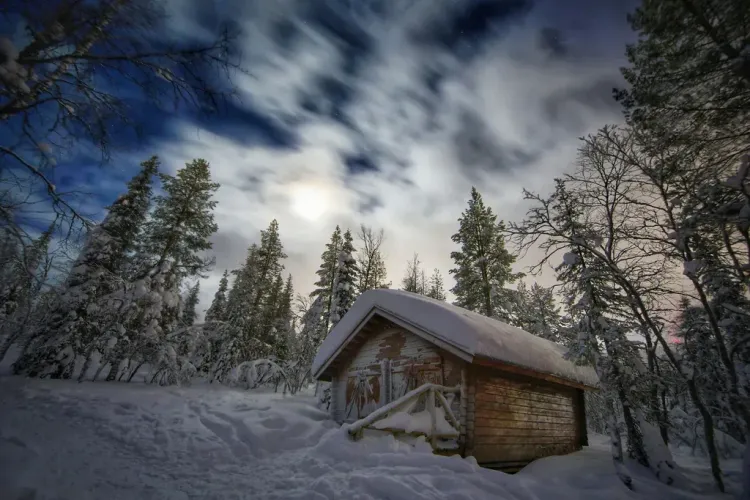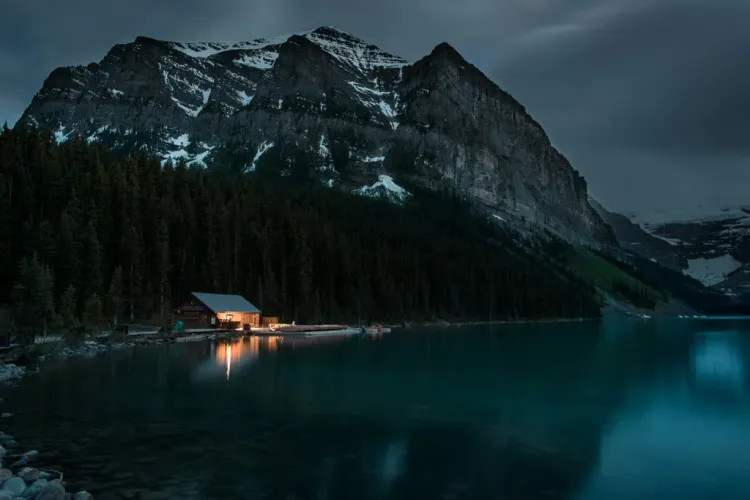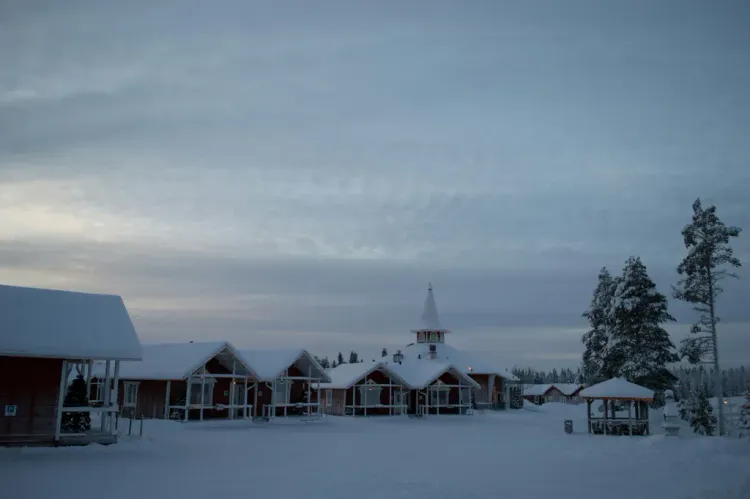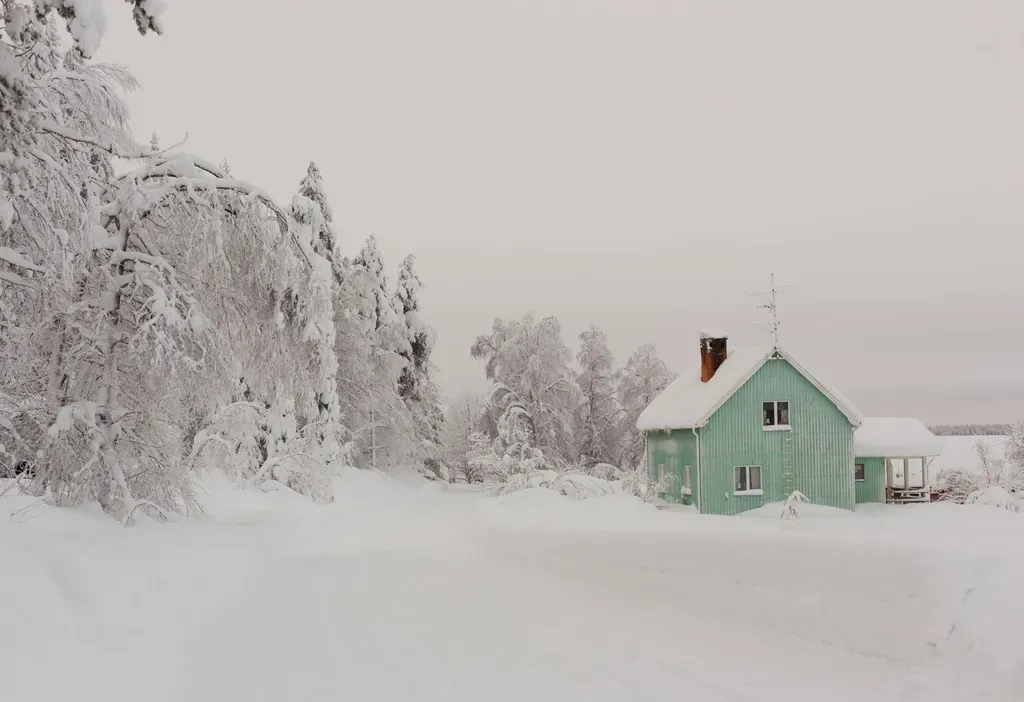
If you are comparing a glass igloo vs aurora cabin, you are really choosing between two different ways to experience Finnish Lapland: one is the iconic, see-the-sky-from-bed bucket-list stay, and the other is a cozier, more practical winter base with a better balance of space and comfort.
That is a big reason both options are so popular with U.S. travelers. A trip to Lapland is already memorable on its own, but distinctive stays make the overnight experience part of the adventure. They pair naturally with snowshoeing, reindeer experiences, sauna time, husky safaris, and—if the weather cooperates—Northern Lights viewing. In other words, the room is not just where you sleep. It is part of the story.
This guide focuses on Finland’s Lapland only, where the strongest signature stays are often found in remote forest settings, around resort towns, and in wilderness-adjacent areas that are better for aurora watching than standard city hotels. If you are planning the broader trip, our Finland travel guide and Nordic Northern Lights planning guide can help with timing, transportation, and destination choices.
Quick verdict: who should book a glass igloo and who should book an aurora cabin
If you want the simplest answer:
- Book a glass igloo if you want the most iconic Lapland sleepover, love the idea of watching the night sky from bed, and are planning a short, special trip where the stay itself is the centerpiece.
- Book an aurora cabin if you want more room, more privacy, better winter comfort, and a stay that feels like a proper cozy base for several nights.
A glass igloo is usually the better choice for travelers who care most about the novelty and the view. An aurora cabin is usually the better choice for travelers who care most about sleeping comfortably, spreading out, and using the property as a base for activities.
The real question is whether your Lapland trip is about the room itself or about the destination experience around it.
What a glass igloo is really like in Lapland
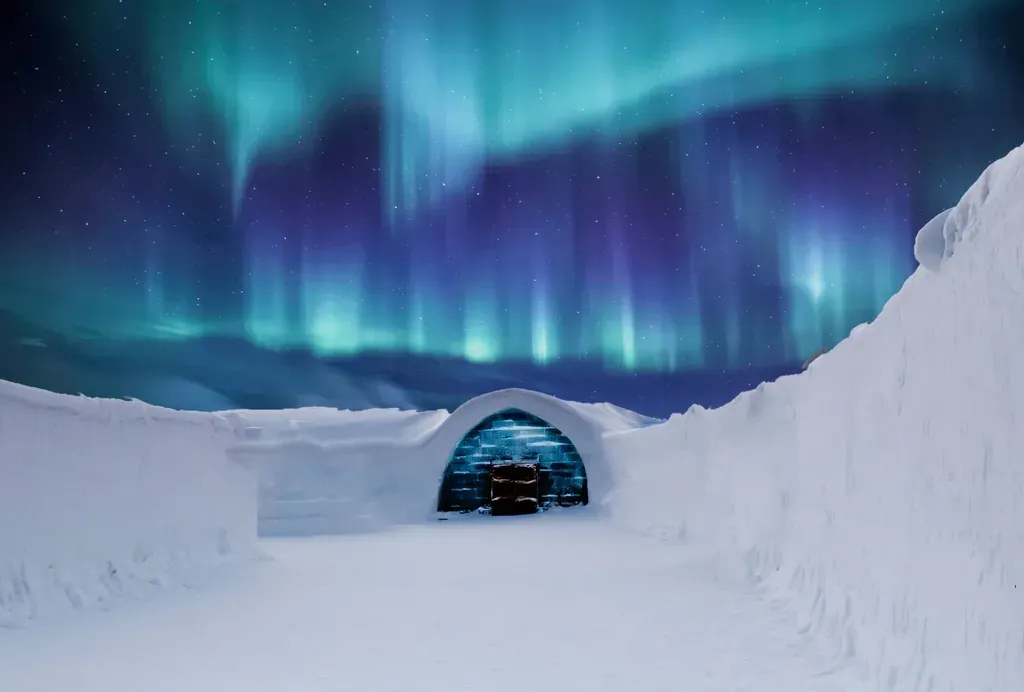
A glass igloo is typically a compact, design-forward accommodation with large transparent or semi-transparent panels made for sky viewing. In Finnish Lapland, these stays are usually marketed as an unforgettable way to watch stars, snowfall, and—if you are lucky—the Northern Lights without leaving your bed.
That said, the reality is a little more nuanced than the photos.
A glass igloo is usually:
- Small and minimalist compared with a cabin
- Built for atmosphere, not for lots of storage or lounging space
- Designed around the view, often with a strong focus on the bedroom area
- Premium-priced, because you are paying for the concept as much as the square footage
The biggest tradeoff is privacy. You are not necessarily on display in a dramatic way, but glass-forward architecture can feel less enclosed than a cabin, especially if you are new to this style of stay. Some properties are more secluded and polished than others, so the operator and location matter a lot.
Another important point: a glass igloo does not guarantee an aurora sighting. Visibility depends on cloud cover, darkness, solar activity, and how much light pollution surrounds the property. For the best results, the concept matters—but the location matters more.
If you want a deeper sense of how Lapland trips come together beyond the stay itself, Finland and Lapland: How to Plan the Perfect Nordic Winter Escape is a useful next read.
What an aurora cabin is really like in Lapland
An aurora cabin is usually a cabin-style or lodge-style stay built to maximize sky viewing, often with a large window wall or a bedroom positioned to face the night sky. It still gives you the Northern Lights-friendly design element, but in a format that feels more like a real winter retreat.
Compared with a glass igloo, an aurora cabin often feels:
- More spacious
- More private
- Warmer and more sheltered
- Better suited to longer stays
- Better for travelers who want a cozy lodge feel, not just a novelty night
This is why aurora cabins are often a strong pick for couples who want comfort, families who need more room, and anyone staying more than one night. You usually get more storage, a better place to unpack, and a layout that makes it easier to relax after a cold day outdoors.
And no, an aurora cabin is not automatically a step down from a glass igloo. In many cases, it is the smarter choice. If your goal is to spend your days snowmobiling, visiting a sauna, exploring forests, or taking a guided Northern Lights tour, a cabin can be the better overall fit.
For travelers who like combining distinctive stays with traditional Finnish wellness, our Finnish sauna guide can help you pair the stay with the right winter rituals.
The biggest differences: views, privacy, comfort, warmth, and price
Here is how the two options compare on the factors that matter most.
Views
Glass igloos usually win on pure sky exposure. That is the whole point of the design. If the weather is clear, the experience can feel magical.
Aurora cabins often trade a little of that open, overhead feel for a more grounded, restful room. You still get the chance to watch the sky, but the experience is usually a bit less dramatic and a bit more practical.
Privacy
Aurora cabins generally win here. They feel more enclosed, more natural, and less exposed.
Glass igloos can feel intimate and romantic, but not always private in the same way a cabin does.
Comfort and warmth
In deep winter, aurora cabins usually feel more comfortable for sleeping, getting ready, and simply living in the space.
Glass igloos can still be comfortable, but they are often more minimal. If you love the idea of sleeping in a design object, that may be a plus. If you want to sprawl out with luggage and layers, it may feel tight.
Price
Both can be expensive, but glass igloos often command the higher premium because they are the signature, highly Instagrammable choice.
Aurora cabins can sometimes offer better value, especially for multi-night trips or travelers who want a more balanced combination of comfort and atmosphere.
Sleep quality
This is where personal preference matters a lot.
A glass igloo can feel dreamy, but light, temperature, and the sheer novelty of the setup can affect sleep. An aurora cabin often offers a more normal, settled sleep environment, which matters if you are spending several full days in Lapland.
Best use case
- Glass igloo: best for one special night, a honeymoon-style moment, or a trip where the accommodation is the star.
- Aurora cabin: best for a relaxed winter base, longer stays, or travelers who want the Northern Lights experience without giving up comfort.
Best Lapland destinations for each stay type
Destination choice can matter even more than room type when your goal is to see the Northern Lights. For a comparison like this, think about the area first, then the stay.
Saariselkä and Ivalo
These are among the strongest choices for aurora-focused trips. They can feel remote, dark, and wintery in exactly the right way for Northern Lights watching. Many distinctive stays in this zone are built around the idea of quiet, scenic nights.
If your priority is a peaceful setting with easy access to winter scenery, both glass igloos and aurora cabins can work well here.
Levi
Levi is a good option if you want a more lively resort base with restaurants, activities, and a stronger “trip infrastructure” feel. It is especially appealing if you want to pair one special overnight stay with skiing, dining, and easy logistics.
For first-time visitors who want a mix of action and comfort, Levi can be a smart compromise.
Pyhä
Pyhä is appealing if you want a quieter mountain setting and outdoor adventure. It tends to attract travelers who prefer a calmer pace and a more nature-focused trip.
Aurora cabins often make especially good sense here because the setting is part of the appeal.
Nellim and Muotka
These are strong picks for travelers who want a deeper wilderness feel and darker skies. They are particularly attractive for aurora chasers who do not mind being farther from busier resort centers.
If the Northern Lights are your main priority, these areas often deserve serious consideration.
Rovaniemi
Rovaniemi is a practical base for many Lapland itineraries, especially for arrivals, departures, and family-friendly planning. It is also a useful stop if you are combining a signature stay with other attractions.
That said, some of the most iconic glass igloos and aurora cabins are found farther north or in more remote surroundings, where the atmosphere feels more special and the sky is darker.
If you are building a broader Lapland trip, Where Is Santa Claus? The Nordic Places You Can Actually Visit can help you decide whether Rovaniemi belongs in your route.
How to choose based on your travel style, budget, and trip length
If you are a first-time visitor
If this is your first Lapland trip, choose based on what you want the memory to be.
- Want the “I slept in a glass dome in Lapland” story? Pick a glass igloo.
- Want a warmer, easier, more comfortable first experience? Pick an aurora cabin.
If you are planning a honeymoon or celebration
A glass igloo is often the more dramatic and photogenic option. It feels like a once-in-a-lifetime night.
If you are traveling as a family
An aurora cabin is usually easier. Families tend to appreciate more space, better storage, and more privacy. Some glass igloos can work for families, but many are better suited to couples or solo travelers.
If you are a photographer or aurora chaser
This depends on your priorities. If you want the room to be part of the image, a glass igloo can be wonderful. If you care more about flexibility, warm gear storage, and multiple nights of better odds, an aurora cabin is often the smarter base.
If you are watching your budget
An aurora cabin often gives you better value, especially if you stay longer than one night and plan to spend much of the day outdoors.
Simple rule of thumb
- If the stay is the centerpiece, choose the glass igloo.
- If the destination is the centerpiece, choose the aurora cabin.
Either way, build your days around Lapland experiences like snowshoeing, reindeer encounters, and sauna time, then let the room be the memorable finish to the day.
Booking tips for the best odds of seeing the Northern Lights
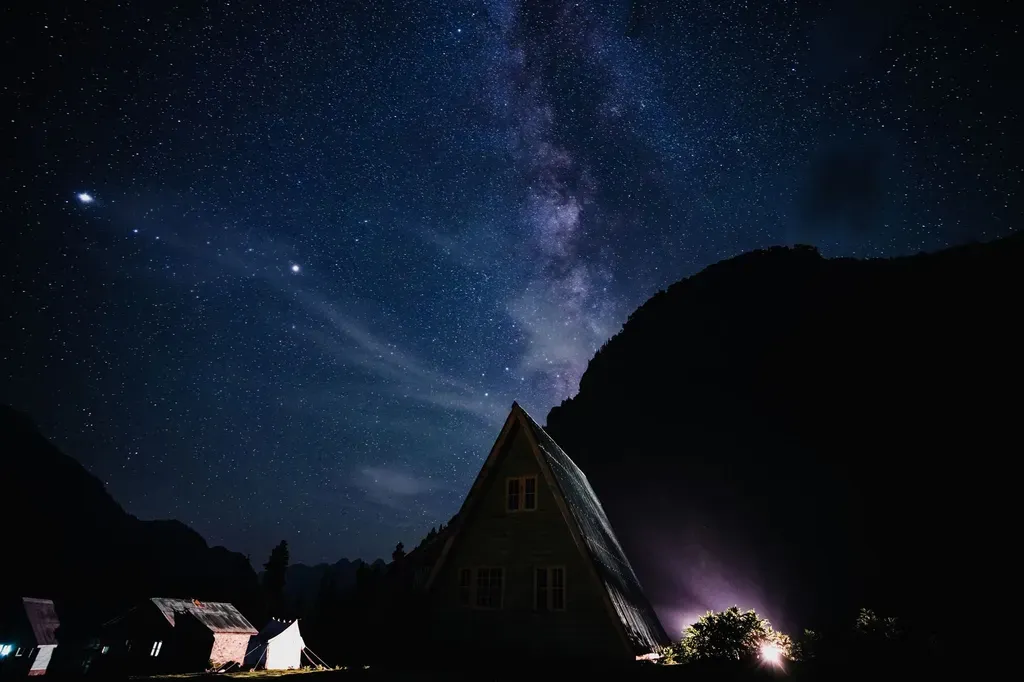
No room type guarantees the aurora. Cloud cover, darkness, and solar activity matter more than architecture. Still, you can improve your odds with smart planning.
Stay at least two nights, ideally three
If you are flying all the way from the U.S., a one-night stay is risky. Two to three nights gives you a much better chance to catch a clear sky.
Choose darker, more remote locations
If the Northern Lights are the priority, look beyond the most central or brightly lit areas. Saariselkä, Ivalo, Nellim, Muotka, Levi, and Pyhä can all work depending on what kind of trip you want.
Book early
Signature winter stays sell out fast, especially around holiday dates and peak winter weekends. The most distinctive properties are often booked well in advance.
Check transport details before you book
Ask whether the property offers airport transfers, whether winter driving is realistic, and whether you will need a car. Some stays are much easier if you are not self-driving in snow and ice.
Know the meal setup
Some properties are fully serviced, while others are more self-catered. That can make a big difference after a long day outdoors.
Look for aurora-friendly policies
Some properties offer wake-up calls, late-night aurora alerts, or staff guidance on the best viewing spots. Those details can make a real difference.
For more help timing your trip, see How to Plan a Northern Light Trip in the Nordics: Best Places, Timing, and Practical Tips.
Bottom line: which should you book in Lapland?
If you want the most iconic, bucket-list Lapland overnight, book a glass igloo. It is the more dramatic choice and the one most likely to feel unforgettable from the moment you step inside.
If you want more comfort, more privacy, and a stay that works better as a relaxed winter base, book an aurora cabin. In many cases, it is the better all-around choice, especially for longer trips.
The best Lapland experience is not just about booking the prettiest room. It is about matching the right stay to the right place, the right number of nights, and the kind of trip you actually want to have.
Frequently asked questions about Lapland glass igloos and aurora cabins
Is a glass igloo better than an aurora cabin for the Northern Lights?
Not always. A glass igloo can feel more immersive, but a darker location matters more than the room type. An aurora cabin can be just as good if it is in a strong aurora area.
Which is more comfortable in winter: a glass igloo or an aurora cabin?
An aurora cabin is usually more comfortable, especially for longer stays. Glass igloos are often cozier for a single special night but can feel more minimal.
Are glass igloos in Lapland worth the price?
They can be, if you want the signature Lapland experience and plan to make the stay part of the trip itself. If comfort and space matter more, an aurora cabin may be better value.
How many nights should I stay in Lapland to see the Northern Lights?
Two to three nights is a practical minimum for better odds. The aurora depends on clear skies and solar activity, so extra nights help.
Which Lapland areas are best for these stays?
Saariselkä, Ivalo, Nellim, Muotka, Levi, and Pyhä are all strong options depending on whether you want remoteness, resort access, or a quieter wilderness setting.
Can families stay in glass igloos or aurora cabins?
Yes, but aurora cabins are often easier for families because they usually offer more space and privacy. Some glass igloos are better suited to couples or solo travelers.