Why Finland is worth a trip
If you are planning a Nordic trip and want something that is easy to navigate, calm to travel through, and packed with nature, finland finland belongs near the top of your list. It works especially well for travelers who want clean cities, fast access to forests and lakes, sauna culture, and a strong contrast between seasons.
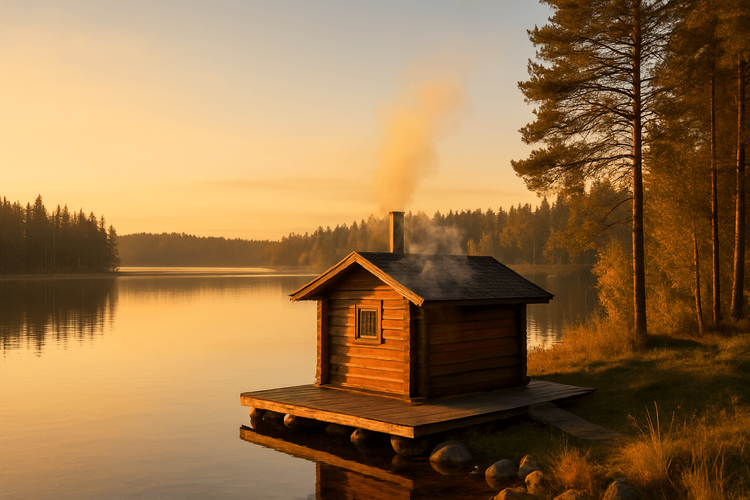
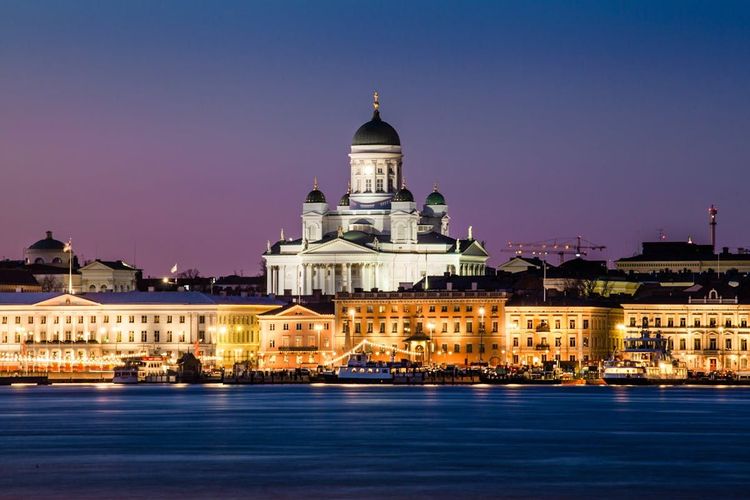
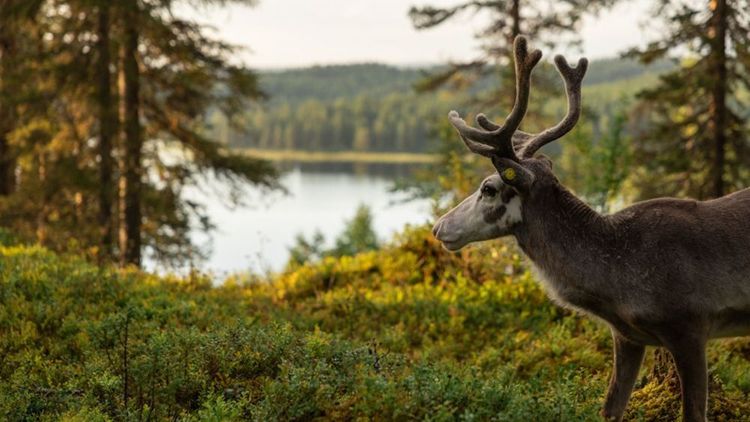
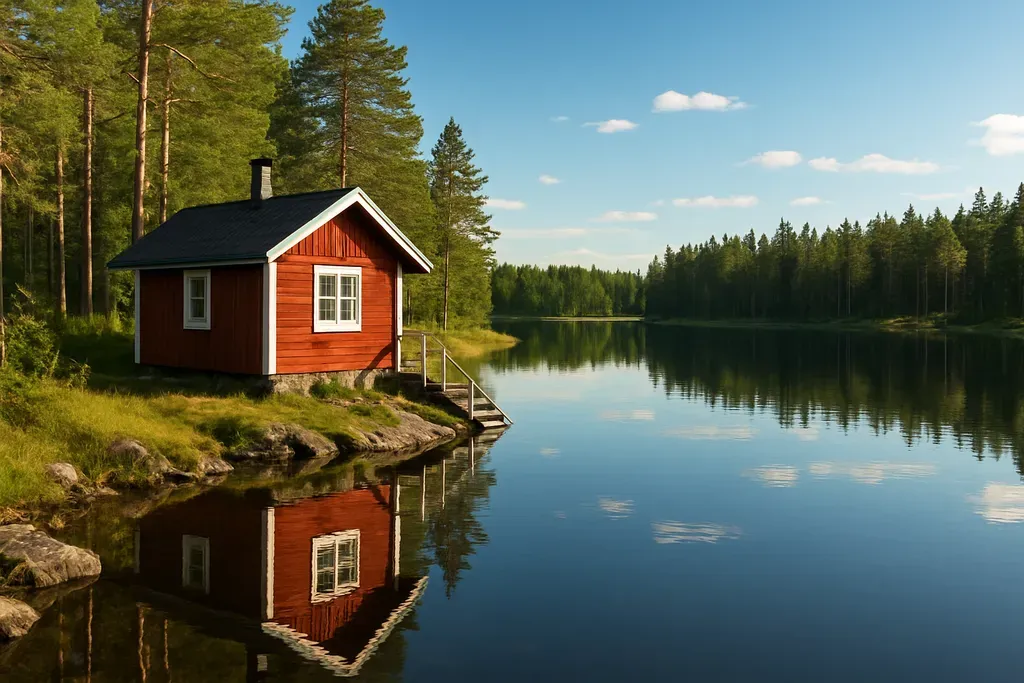
In a Nordic context, Finland stands out for its lakes, pine forests, islands, design-forward cities, and the Arctic north. You can spend one day in a stylish capital with excellent cafés and ferry connections, then move to a cabin by a lake or a snowy landscape with reindeer just a few hours later. That mix is what makes Finland feel distinct from its neighbors in Scandinavia and the wider Nordic region.
The overall trip style here is usually calm, safe, efficient, and best enjoyed in layers: a little city time, a little outdoor time, and enough space in between to slow down. If you are expecting constant sightseeing, Finland can feel quiet. If you want a trip that rewards thoughtful planning, it is ideal.
This guide focuses on the practical choices that matter most: where to base yourself, when to go, how to move between regions, and what to book early.
Best places to include on a first Finland itinerary
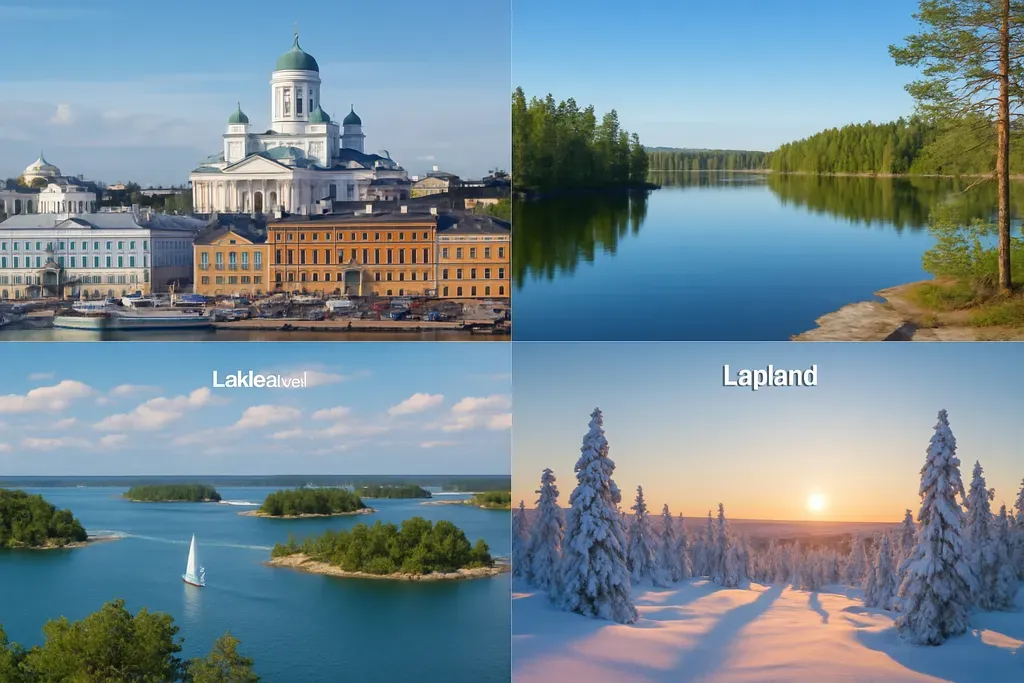
For a first trip, do not try to see everything. Finland is best enjoyed by choosing one to three regions and giving them enough time to breathe.
Helsinki
Helsinki is the easiest starting point and the best place for a first base. It gives you:
- Simple flight access
- Good public transport
- Ferry connections
- Design and architecture
- Easy seaside neighborhoods
- Excellent food and café culture
If you like cities that are compact and walkable, Helsinki is one of the most comfortable capitals in the Nordics. Spend time around the harbor, explore the central districts, and use the city as a soft landing before heading north or inland. If sauna is part of your trip planning, pair Helsinki with Finnish Sauna Guide: Where to Go, What to Expect, and How to Do It Right.
Lakeland
Lakeland is Finland’s quiet inland heart: a spread of lakes, forests, islands, and cabin country that is perfect if you want a slower pace. This is where Finland feels most spacious. It is a strong choice for:
- Cabin stays
- Lake scenery
- Canoeing and kayaking
- Sauna by the water
- Easy summer road trips
- Family-style outdoor travel
Lakeland suits travelers who want to unplug without feeling remote in a stressful way. You can stay in a small town, rent a cottage, and spend your days swimming, paddling, or walking through forest trails.
The Finnish Archipelago
The archipelago is one of Finland’s most appealing warm-weather regions. The coastal landscape is made for island-hopping, scenic drives, small ferries, and summer road trips. It is especially good if you want:
- Coastal views
- Quiet seaside towns
- Cycling between islands
- Ferry crossings that feel like part of the trip
- A slower, maritime version of Finland
If you are visiting in summer, this region can be an excellent counterpoint to Helsinki. It is less about ticking off attractions and more about moving through the landscape at an easy pace.
Lapland
Lapland is the reason many travelers build a Finland trip around winter. This is the Arctic north: snow, dark skies, reindeer, ski resorts, and the best chances for Northern Lights in Finland. Lapland is the right choice if you want:
- Snow-covered landscapes
- Husky and reindeer activities
- Aurora viewing
- Winter sports
- Arctic atmosphere
If your main goal is winter magic, read Finland and Lapland: How to Plan the Perfect Nordic Winter Escape alongside your itinerary planning. For aurora timing and conditions, you can also use How to Plan a Northern Light Trip in the Nordics: Best Places, Timing, and Practical Tips.
Keep the route compact
A common mistake is trying to cover Helsinki, Lakeland, the archipelago, and Lapland in one short trip. That usually turns into too much transit and too little time on the ground. For a first visit, choose one main region plus Helsinki, or at most two major regions if you have at least 10 days.
For broader Nordic planning context, this overview from the Nordic region is useful: The Nordic Countries: Your Ultimate Travel Guide.
When to visit Finland
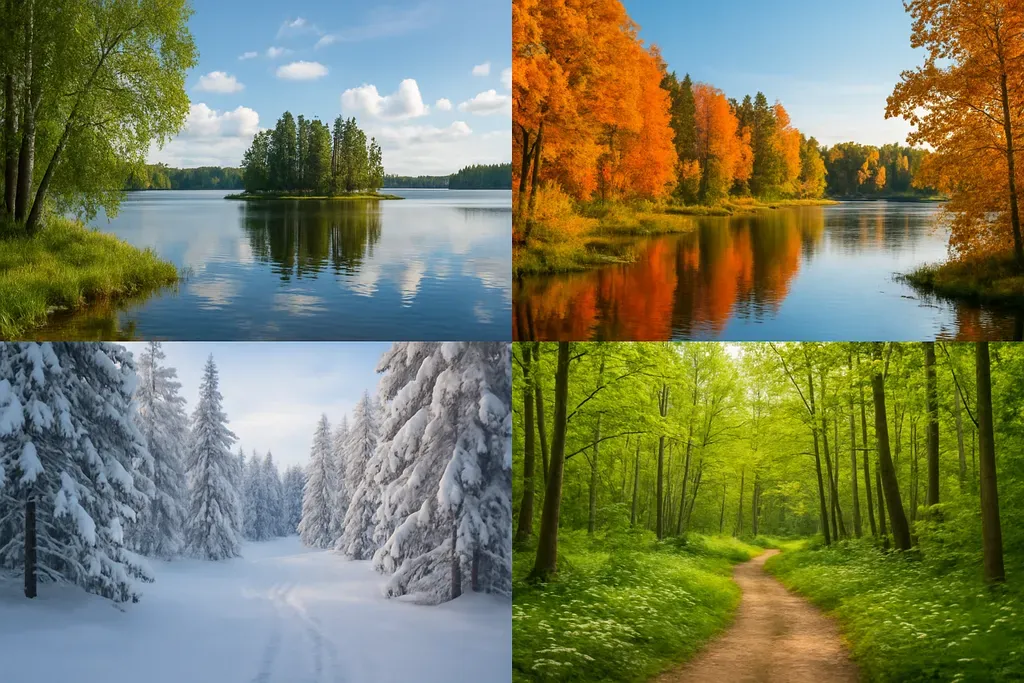
Finland changes dramatically by season, so the best time depends on what you want to do.
Summer
Summer is the best time for:
- Long daylight
- Warmest temperatures
- Lake activities
- Hiking
- Festivals
- Road trips
This is the easiest season for first-time visitors who want a balanced trip. Helsinki is lively, Lakeland is at its best, and the archipelago becomes especially attractive. In the far north, you can also experience the Midnight Sun in Lapland; see Midnight Sun in the Nordics: Where to See It, When to Go, and How to Plan Your Trip.
If your trip is about bright evenings, outdoor dinners, and water-based activities, summer is the strongest choice.
Autumn
Autumn is one of the most underrated times to travel in Finland. You get:
- Fewer crowds
- Comfortable city sightseeing
- Berry and mushroom season
- Forest colors
- Cosier café and museum days
This is a great season if you want a quieter trip with good walking weather. The forests become especially photogenic, and you can still travel comfortably before the deep cold arrives.
Winter
Winter is the season for:
- Snow
- Ski resorts
- Sauna
- Ice swimming
- Northern Lights opportunities in Lapland
Helsinki is still manageable in winter, but the north is where the season becomes memorable. If your focus is Arctic activities, pair Lapland with short city time and keep your itinerary realistic. Winter travel in Finland is rewarding, but you should expect shorter daylight and colder conditions, especially farther north.
Spring
Spring is the shoulder season for travelers who want fewer visitors and decent value. Conditions are still mixed: snow may linger in the north, while southern Finland begins to thaw. It is a practical time for museums, city breaks, and slower travel, though it is not the best season if your top priority is deep winter scenery or warm-weather lake time.
Which season is best for your goal?
- City break: late spring, summer, or autumn
- Nature trip: summer or early autumn
- Winter adventure: December to March
- Northern Lights focus: late autumn through early spring in Lapland
How to get around Finland
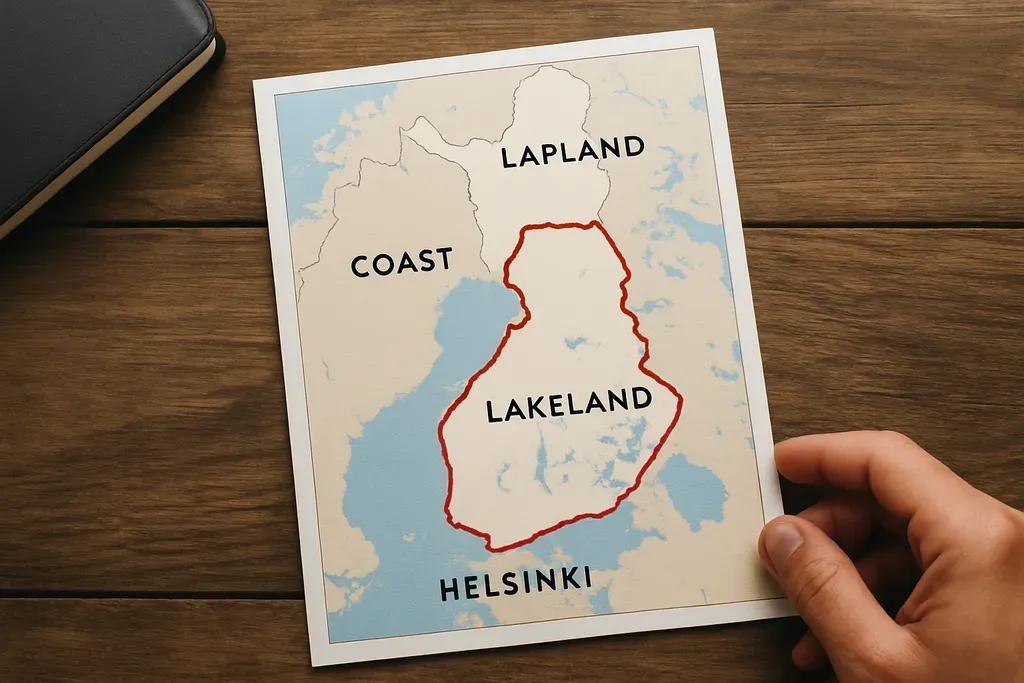
Finland is easy to navigate if you plan around the country’s main transport pattern: fly into Helsinki, then use trains, coaches, ferries, or a rental car depending on your region.
Flights into Helsinki
For most international travelers, Helsinki is the simplest entry point. It works well as a first base because you can arrive, recover from the flight, and decide whether to stay city-based or continue onward.
Trains and coaches
For major routes in southern and central Finland, trains and long-distance coaches are a practical option. They are especially useful if you want to move between larger cities without driving. This is one of the best ways to travel if your trip is mostly Helsinki-focused or built around a city-and-region combination.
Rental cars
A car becomes more useful in:
- Lakeland
- The archipelago
- Smaller rural areas
- Coastal road trips
If you want to stay in cabins, reach quieter villages, or move around at your own pace, a rental car adds flexibility. It is less necessary in Helsinki and along the main rail network, but much more helpful once you leave the capital.
Ferries and island transport
For the archipelago and seaside day trips, ferries and local island transport are part of the experience. In summer especially, they help turn a region into a route rather than a single destination.
Winter driving and short distances
In winter, keep daily distances modest. Roads can be snowy or icy, and daylight is limited. This is not the season for overpacked itineraries. Choose fewer stops, stay longer in each place, and build in extra time for transfers.
What to do in Finland by season
Summer activities
Summer is the easiest season for classic Finnish outdoors travel:
- Lake swimming
- Cottage stays
- Cycling
- Kayaking
- National parks
- Long evening walks
This is also the best time to combine nature with casual city time. In Helsinki, you can move between market halls, seaside neighborhoods, and ferry rides. In Lakeland, your main activities may be as simple as swimming, reading on a dock, and taking a sauna after dinner.
Autumn activities
Autumn is excellent for quieter, slower travel:
- Scenic drives
- Forest walks
- Berry picking
- Mushroom season
- Cosy city cafés
This is the season when Finland feels especially easy to enjoy without a strict schedule. You can spend mornings walking in the forest and afternoons in museums or bakeries.
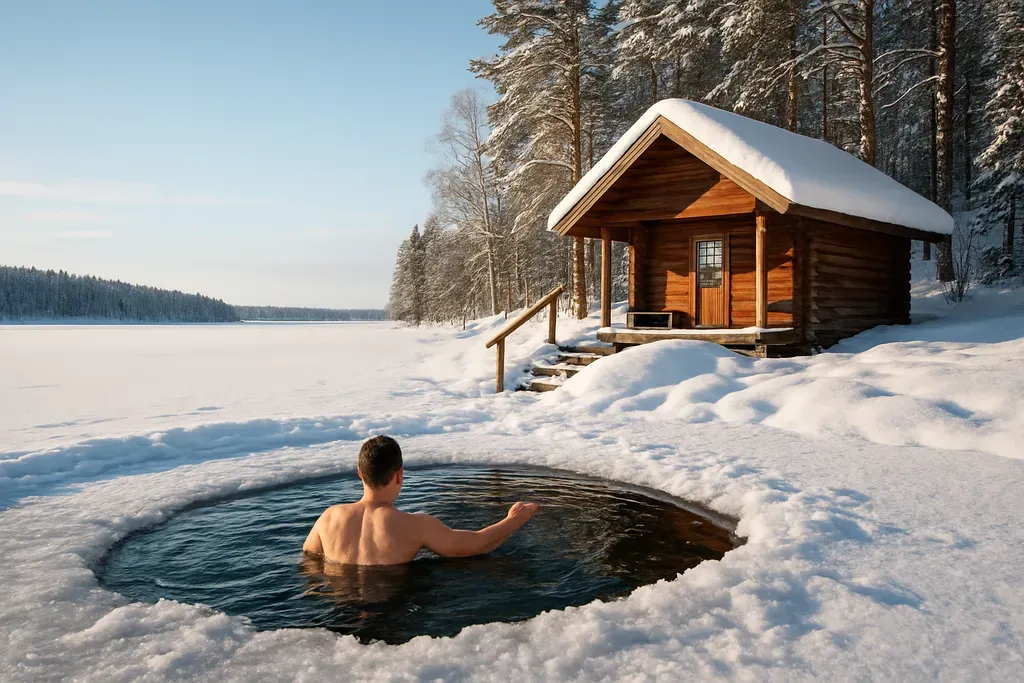
Winter activities
Winter in Finland is built around atmosphere as much as activity:
- Sauna
- Ice swimming
- Skiing
- Snowshoeing
- Northern Lights viewing in Lapland
If you want the full winter feel, choose a base in the north and keep your expectations realistic: weather matters, daylight is short, and the best days often come from slow, simple plans. Sauna is central to the experience, so it is worth learning a few basics before you go.
Spring activities
Spring is more about gentle re-entry than peak scenery:
- Urban exploration
- Museum visits
- Early hikes
- Slower local travel
It can be a smart time for travelers who prefer calm cities and lower crowd levels over high-season energy.
Practical tips for planning your trip
How many days you need
For a first visit:
- 3–4 days: Helsinki only
- 5–7 days: Helsinki plus one region
- 10+ days: Helsinki plus two regions, or a slower northbound trip
The most successful Finland trips are compact. You will enjoy the country more if you leave room to actually stay somewhere, not just pass through.
What to pack
Pack according to the season, but a few items are consistently useful:
- Layers
- Waterproof shoes
- A light daypack
- Swimwear for sauna
- Rain protection
- Season-appropriate outerwear
In winter, bring proper cold-weather clothing rather than trying to improvise with city layers. In summer, do not assume warm evenings in the north; temperatures can change quickly.
Budget considerations
Finland is not a low-cost destination, so plan for:
- City hotels
- Cabin or cottage stays
- Transport
- Activity costs
- Sauna or spa visits
- Ferry tickets and winter excursions
Cabins can offer great value if you are traveling with others or staying several nights. In Lapland, prices often rise sharply in winter, especially around holidays.
What to book early
Book these as early as possible:
- Lapland winter stays
- Popular ferries
- Cabin rentals in summer
- Sauna experiences in busy cities
- High-demand winter activities
If you are planning a Northern Lights-focused trip, reserve your base early and build the rest of the itinerary around it rather than waiting for a last-minute decision.
Etiquette and travel rhythm
A few simple habits make travel smoother:
- Respect quiet shared spaces
- Follow sauna etiquette
- Keep public transport calm and orderly
- Build in time for meals and rest
- Avoid over-scheduling long drives in winter
Finnish travel is generally straightforward, but the pace is part of the appeal. It is better to do less well than to rush too much.
A simple first-time Finland itinerary
3-day city break
Best for travelers who want a short introduction.
- Day 1: Arrive in Helsinki, explore the center, seaside, and cafés
- Day 2: Museum, market hall, design district, and sauna
- Day 3: One nature excursion or ferry outing before departure
This works well if you want a low-stress Nordic city break.
7-day balanced trip
Best for travelers who want city + nature.
- Days 1–2: Helsinki
- Days 3–5: Lakeland cabin stay
- Days 6–7: One coastal or island stop before returning
This is probably the most balanced first trip for summer or early autumn.
10-day winter trip
Best for snow, aurora, and Arctic atmosphere.
- Days 1–2: Helsinki
- Days 3–4: Travel north at a relaxed pace
- Days 5–8: Lapland base
- Days 9–10: Return south or add one final quiet stop
This is the best structure if Northern Lights and winter activities are your priority. A compact route gives you a much better experience than trying to cover too much ground.
FAQs
How many days do you need in Finland?
Three days works for Helsinki, but 7 to 10 days is better if you want both the capital and one nature region.
When is the best time to visit Finland?
Summer is best for lakes and long daylight, while winter is best for snow, sauna, and Northern Lights in Lapland.
Is Finland easy to travel around without a car?
Yes, especially in Helsinki and along major rail routes. A car helps more in Lakeland, the archipelago, and smaller rural areas.
What should I pack for Finland?
Pack layers, waterproof shoes, a light daypack, and season-appropriate outerwear. In winter, bring proper cold-weather clothing.
Can you see the Northern Lights in Finland?
Yes, especially in Finnish Lapland during the darker months, though sightings depend on weather and solar activity.
Final planning takeaway
Finland is at its best when you plan it as a seasonal, compact, and region-focused Nordic trip. Start with Helsinki, add either Lakeland, the archipelago, or Lapland, and match the timing to the experience you want most. If you do that, Finland rewards you with exactly what makes it special: easy logistics, memorable landscapes, and a travel rhythm that feels calm rather than crowded.
If you want to keep building your Nordic itinerary, you can also explore related guides on Midsummer Holiday in the Nordics: Where to Go, What to Expect, and How to Join In and How to Plan a Northern Light Trip in the Nordics: Best Places, Timing, and Practical Tips.