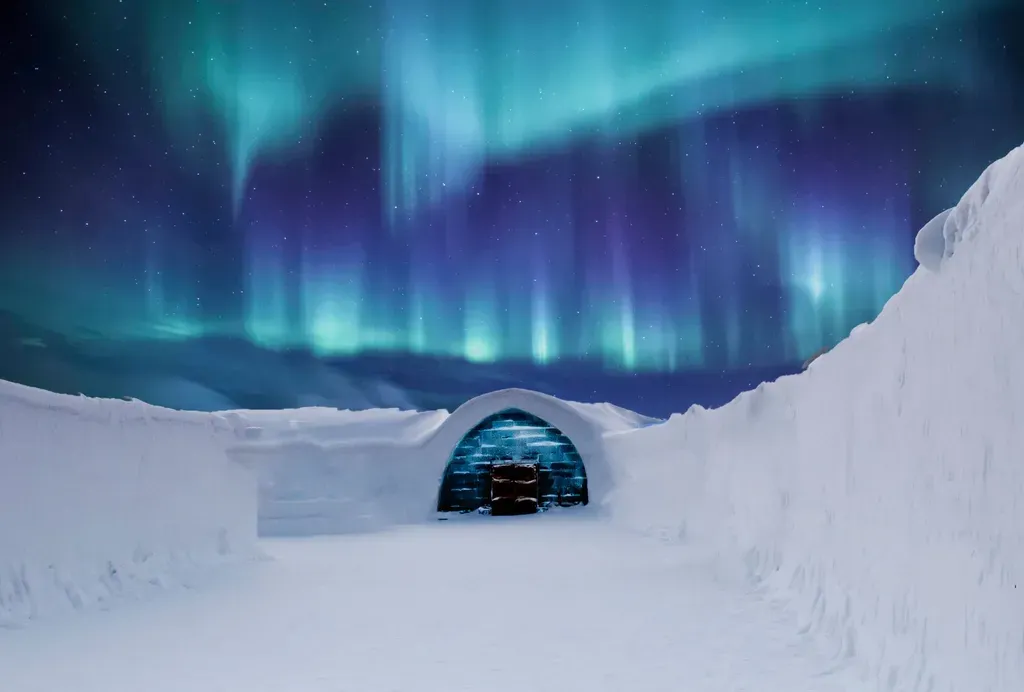
What Each Stay Style Is Really For
If you are planning a Lapland trip, the choice between a glass igloo vs traditional cabin is really a choice between two different kinds of memories. A glass igloo is built for sky-gazing: sleeping under a transparent roof, watching stars, and hoping for the Northern Lights without leaving your bed. A traditional cabin is built for immersion: timber walls, a fireplace or sauna, quieter privacy, and that grounded, snug feeling that makes winter travel in Finland, Norway, Sweden, Iceland, or Denmark feel like a true escape.
For many U.S. travelers, the best Nordic trip is not about choosing the “best accommodation” in the abstract. It is about choosing the stay that matches the kind of experience you want. Do you want a once-in-a-lifetime night under the Arctic sky? Or do you want a longer, slower, more flexible winter base where you can cook, unwind, and explore at your own pace?
That is the heart of this comparison. If you are also mapping out a broader Nordic itinerary, our guide on how to plan a Northern Light trip in the Nordics can help you connect the stay to the right destination and season.
Quick Comparison: Glass Igloo vs Traditional Cabin
In a Lapland context, a glass igloo usually means a purpose-built stay with a panoramic roof or large glass sections designed for aurora viewing and night-sky immersion. It is the “wow” option. It is made for the moment when the sky becomes part of the room.
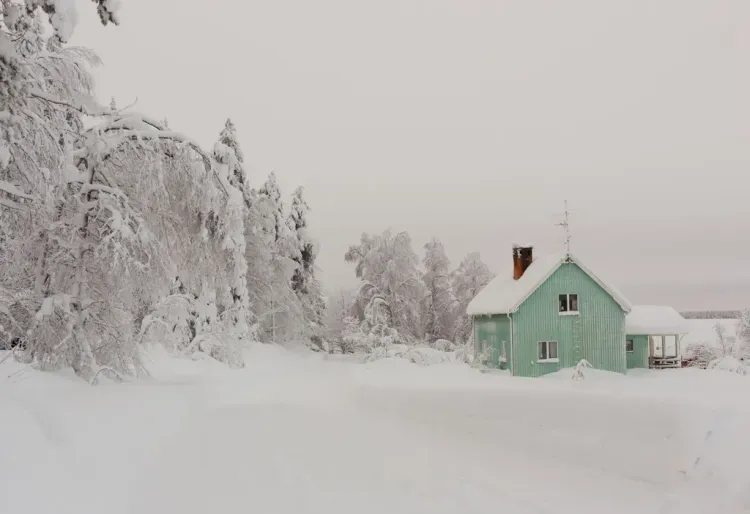
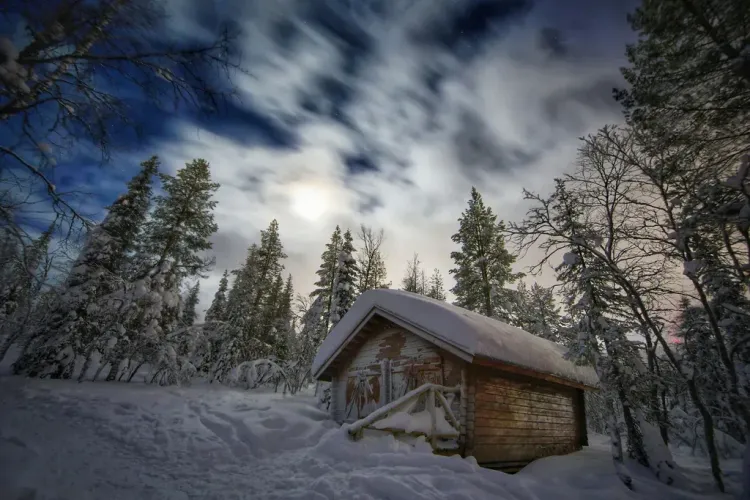
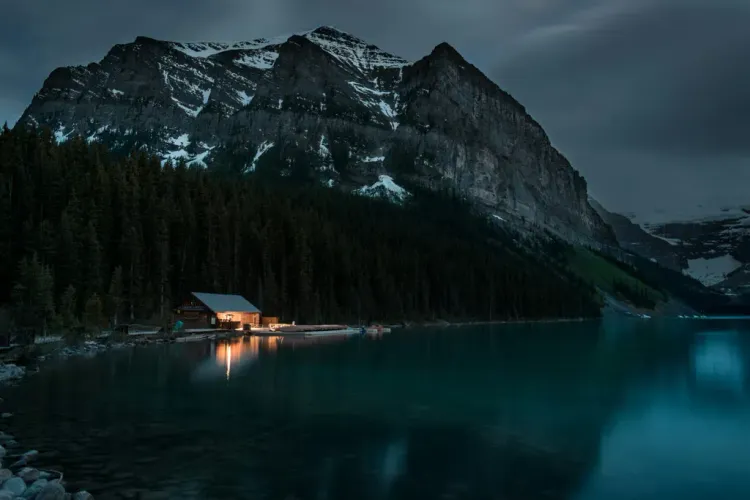
A traditional cabin, by contrast, is about warmth, seclusion, and everyday comfort in the Arctic. Think wood, compact living spaces, fireplaces, saunas, and a setting that feels more like a retreat than an attraction. Cabins can be simple or upscale, rustic or polished, but the experience usually feels more home-like than theatrical.
The core travel payoff is different:
- Glass igloo: best for sky views, romance, and a memorable one-night stay
- Traditional cabin: best for cozy immersion, longer stays, and practical flexibility
If you want the trip to feel like a cinematic Arctic dream, the igloo leads. If you want the stay to support a full winter holiday, the cabin often wins. In Finland especially, both options can fit into a larger Arctic plan, as seen in Finland and Lapland: How to Plan the Perfect Nordic Winter Escape.
What It’s Like to Stay in a Glass Igloo
A glass igloo is all about the roofline. The draw is obvious: lie down, look up, and watch the winter night without stepping outside. In the best cases, the structure gives you a near-constant connection to the sky, which is exactly why these stays are so popular with aurora chasers. In Lapland, that can feel unforgettable.
The mood is very different from a cabin. You are not sinking into a classic woodsy interior. You are opting into a highly curated experience with a front-row seat to the landscape. As Nordic Visitor notes, glass igloos in Finland have become a signature way to experience the Lapland winter.
That said, the setting matters as much as the structure. A glass igloo in a dark, remote area can feel magical. A glass igloo in a less ideal location may look beautiful in photos but offer less aurora value in practice. Privacy can also vary: some units feel secluded, while others are part of a larger resort layout with neighbors nearby.
Sleep quality is another consideration. Even when the glass is insulated and the unit is warm, you may feel more aware of the outside world than you would in a cabin. That is part of the appeal for some travelers, but it is not ideal if you are a light sleeper or want total darkness.
What It’s Like to Stay in a Traditional Cabin
A traditional cabin feels more rooted in the Nordic winter. Timber walls, a fire crackling nearby, a compact but cozy interior, and maybe a sauna waiting after a day in the snow: that is the classic Arctic comfort equation. In Finland, this type of stay pairs naturally with the country’s sauna culture, which is central to the overall experience and worth building into your trip if you can.
Cabins often create a stronger sense of warmth and seclusion than glass igloos. You are less exposed, less visible, and usually better insulated from wind, glare, and noise. That makes cabins especially appealing if your idea of a Lapland trip is not only “see the aurora” but also “slow down and feel the place.”
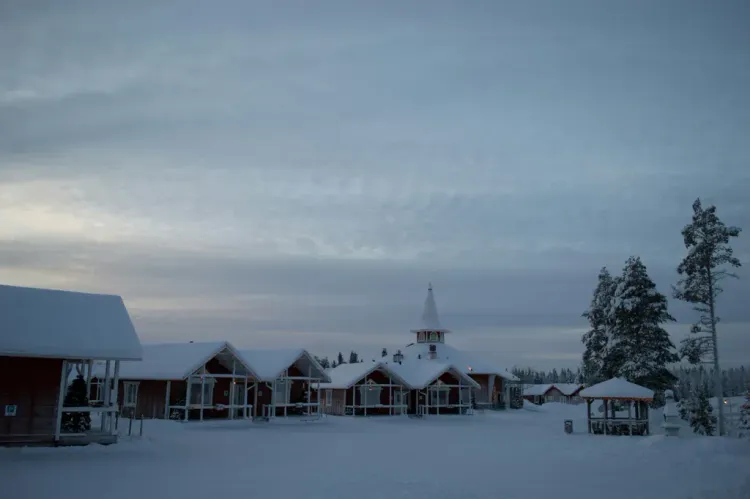
They also support more flexible trip planning. A cabin can be a base for multiple nights, whether you are snowmobiling in Finnish Lapland, visiting Santa-themed attractions near Rovaniemi, or simply spending time in the forest and relaxing. If you are planning family-friendly activities, it helps to have more room to spread out, cook, and dry winter gear.
For travelers considering where to stay in Sweden, our destination page on Sweden - Frosty Lands is a useful starting point for unique Nordic stay ideas that go beyond the standard hotel experience.
Northern Lights: Which Stay Works Better?
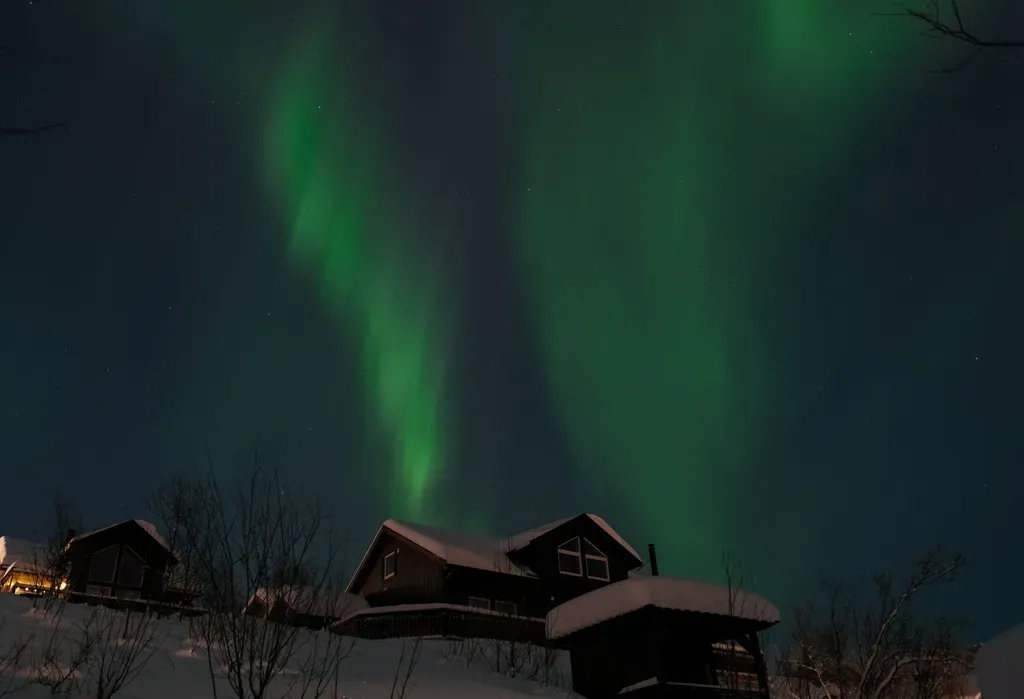
If your only question is “Which one gives me the best shot at Northern Lights viewing from bed?” the glass igloo usually has the edge. That is what it is designed for. A panoramic roof or large glass panels can turn the aurora into part of the room, which is hard to beat for drama and convenience.
But cabins can still be excellent for Northern Lights trips.
In fact, many seasoned travelers prefer cabins because they can choose a darker, more remote location and step outside when conditions are right. A well-placed cabin can be more aurora-friendly than a beautiful but poorly located glass igloo. The decisive factors are not just the accommodation style but also darkness, weather, cloud cover, and flexibility. In places like Abisko and Kiruna, location can matter more than the room itself; our guide on Stay in Kiruna or Abisko: Which Is Better Without a Car? explains why getting the setting right is so important.
Cabins also give you more control. If the lights appear at 1 a.m., you can bundle up, head outside, and stay warm when you come back in. If the sky is cloudy, you have not paid premium pricing for a view you cannot use. That makes the cabin a more practical aurora base for longer trips.
The best answer? For a once-in-a-lifetime night, the glass igloo wins on atmosphere. For a stronger overall aurora strategy, the cabin can be just as smart.
Privacy, Warmth, and Sleep Quality
This is where the comparison becomes very practical.
A glass igloo often feels more exposed. Even when it is private in a physical sense, the experience is visually open, and that can make some travelers feel less relaxed. You are more aware of outside light, weather changes, and the fact that your room is designed around viewing rather than nesting.
A traditional cabin usually feels warmer in the emotional sense as well as the literal one. You get solid walls, a more enclosed sleeping space, and often a better sense of retreat. For travelers who prize deep sleep, this matters. Cabins are usually easier for sleeping late, napping, changing out of winter layers, and managing jet lag after a U.S.-to-Nordics flight.
Glass igloos are engineered for cold-weather stays, so “warmer” does not necessarily mean “toasty” or “cozy” in the same way a cabin is. In general, a traditional cabin usually feels more home-like, while glass igloos are built for Arctic conditions but optimized for views rather than a classic interior atmosphere.
Cost, Seasonality, and Value for Money
At a high level, glass igloos usually cost more than traditional cabins, especially in peak winter. You are paying for the design, the novelty, and the specific sky-viewing experience. Sometimes that price is absolutely worth it, but usually for a shorter stay.
Traditional cabins often deliver better value over multiple nights. If you are traveling as a couple, a family, or a group, a cabin can stretch your budget further while giving you more space and more control over meals and downtime. That can matter a lot in Norway, Sweden, Finland, and Iceland, where winter travel costs can add up quickly.
Seasonality also affects value. In the deepest winter months, both styles can be very expensive in Lapland, but glass igloos are especially sought after during aurora season. In shoulder periods, a cabin may give you better flexibility and a more balanced trip budget.
For a U.S. traveler, the real question is not “Which is cheaper?” but “Where does the premium go?” With an igloo, it goes into the view and the experience. With a cabin, it often goes into space, comfort, and versatility.
Best Fit by Traveler Type
Here is the simplest way to think about it:
- Couples on a special trip: glass igloo, especially for one memorable night
- Families: traditional cabin, because of space and flexibility
- Longer Arctic holidays: traditional cabin, because it supports slower travel
- Aurora-first travelers: either can work, but location matters more than style
- Romance and once-in-a-lifetime travelers: glass igloo
- Travelers who want a cozy home base: traditional cabin
If you are traveling for a major milestone, the glass igloo can feel like the perfect splurge. If you are building a whole trip around outdoor adventures, saunas, local food, and a comfortable rhythm, the cabin is usually the stronger foundation.
For travelers planning a Finland-centered route, our Finland - Frosty Lands page is a good place to browse distinctive stays that can be paired with winter activities and regional planning.
How to Choose the Right Stay in Lapland
Use this decision framework:
- Pick a glass igloo if your top priority is sky views, romance, and a highly memorable short stay.
- Pick a traditional cabin if you want privacy, warmth, flexibility, and better value over several nights.
- Choose location before style if Northern Lights matter most. Darkness, weather, and access to viewing spots can outweigh the accommodation type.
- Mix the two if possible. Many travelers do best with a cabin for most of the trip and one glass-igloo night as the highlight.
That blended approach is often the smartest. It gives you comfort and practicality without giving up the “bucket list” moment. If you are deciding whether to commit to a full igloo stay or make it a feature night, the answer is usually yes to a single special night rather than the whole trip.
Practical Booking Tips for a U.S. Traveler
Planning from the United States means a few details deserve extra attention:
- Book early for winter. Lapland’s best unique stays can sell out far in advance.
- Check darkness and location. A remote site is usually better for aurora viewing than a pretty but busy one.
- Look at transport carefully. Some stays are easiest with a car; others are better if you want transfers or a guided setup.
- Match the stay to your trip length. Glass igloos are often best for one or two nights, while cabins work well as a longer base.
- Consider your sleep style. If you need quiet, total darkness, and a familiar room layout, cabins are safer.
- Factor in activities. Saunas, outdoor dining, snow excursions, and village access can make a cabin trip richer.
- Think beyond Finland. Norway, Sweden, and Iceland all offer distinctive winter stays, but the same logic applies: the stay should support the experience you want, not compete with it.
If your trip includes Santa-style stops or family activities, our guide on Where Is Santa Claus? The Nordic Places You Can Actually Visit can help you build a more complete winter itinerary.
Bottom-Line Recommendation
If you want the most memorable single night, choose a glass igloo. It is the better pick for sky views, aurora atmosphere, and that unmistakable “I slept inside the Arctic night” feeling.
If you want the better overall Lapland experience, choose a traditional cabin. It usually offers better privacy, warmth, sleep quality, and long-stay value, especially for families or anyone planning a fuller Nordic winter escape.
The smartest answer for many travelers is not one or the other, but both: a cabin for the trip’s backbone, and a glass igloo for the highlight. That combination gives you the best of Lapland’s two personalities — the cozy forest retreat and the open Arctic sky.
Frequently Asked Questions
Are glass igloos worth it in Lapland?
Yes, if your top priority is sky views and a memorable Northern Lights stay. They are especially worth it for one special night or a short trip.
Do traditional cabins still work for Northern Lights trips?
Absolutely. A cabin can be an excellent base for aurora hunting, especially if it is in a dark, remote area with easy access to outdoor viewing spots.
Which is warmer: a glass igloo or a cabin?
A traditional cabin usually feels warmer and more home-like. Glass igloos are built for Arctic conditions, but they are designed more for views than for a classic cozy interior.
Which option is better for families?
Traditional cabins are often better for families because they usually offer more space, privacy, and flexibility for cooking and relaxing.
Should I book a glass igloo for my whole Lapland trip?
Not necessarily. Many travelers prefer to split their stay, using a cabin for most nights and a glass igloo for one special night.
What matters most when choosing a Lapland stay?
Location, darkness, and trip style matter most. A great glass igloo in a light-polluted area may be less useful than a well-placed cabin under a dark sky.
If you are still narrowing down where to stay, browsing a specific destination can help. For example, Levi - Frosty Lands and the featured LEVI SECRET IGLOO RUSKA 8D — Unique Stay in Levi | Frosty Lands show how different Nordic stays can shape the whole travel experience.