How to Plan a Northern Light Trip in the Nordics: Best Places, Timing, and Practical Tips
A northern light trip in the Nordics is one of the most rewarding winter journeys you can plan, but it works best when you treat it like a weather-dependent adventure, not a guaranteed show. The key is to choose the right region, stay long enough, and build your trip around dark skies, flexible nights, and realistic expectations.
The Nordic countries offer some of the strongest aurora opportunities on earth, especially in Iceland, Norway, Sweden, Finland, and Lapland. Each place gives you a different version of the Arctic: rugged coastlines, frozen forests, remote lakes, and clean horizons with very little light pollution. If you plan well, you can combine the hunt for the aurora with unforgettable winter scenery, local food, and cozy overnight stays.
If you’re also considering a broader winter trip, you may want to pair this article with our guide to Midnight Sun in the Nordics: Where to See It, When to Go, and How to Plan Your Trip.
Why the Nordics are ideal for a northern light trip
The reason the Nordics work so well for aurora travel is simple: much of the region sits under or near the auroral oval, the band around the Arctic where aurora activity is most likely to appear. That does not mean you will see the lights every night. It means you are choosing destinations where your odds are genuinely strong if the sky is dark and clear.
That is why Iceland, Norway, Sweden, Finland, and Lapland are top choices. You do not need a perfect storm of luck, but you do need three things:
- Dark enough skies
- Clear or partly clear weather
- Aurora activity
When all three line up, you have a real chance.
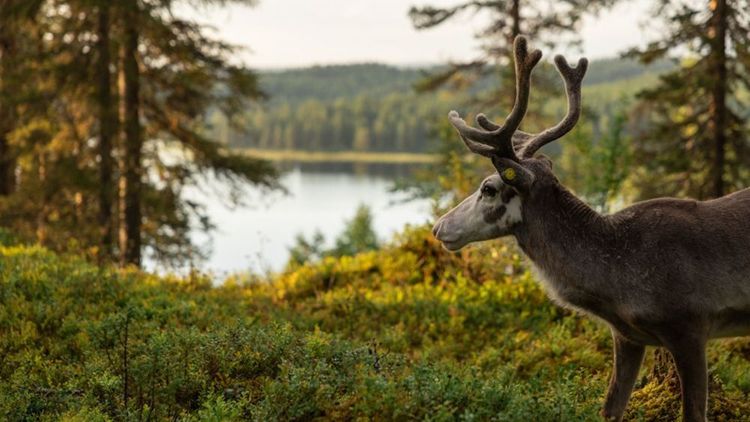
It also helps that the Nordic experience is varied. In Iceland, you might watch the aurora over lava fields, black sand, or coastal roads. In Norway, fjords and mountain silhouettes make the sky feel even bigger. Sweden offers a classic Lapland setting with forest and ice. Finland is ideal for comfortable aurora viewing from cabins, igloos, and lakeside stays. And Lapland, whether you mean Finnish or Swedish Lapland, gives you wide Arctic horizons and low light pollution.
This trip suits a few types of travelers especially well:
- Road-trippers who want flexibility and the freedom to chase clear skies
- Couples looking for a dramatic winter escape
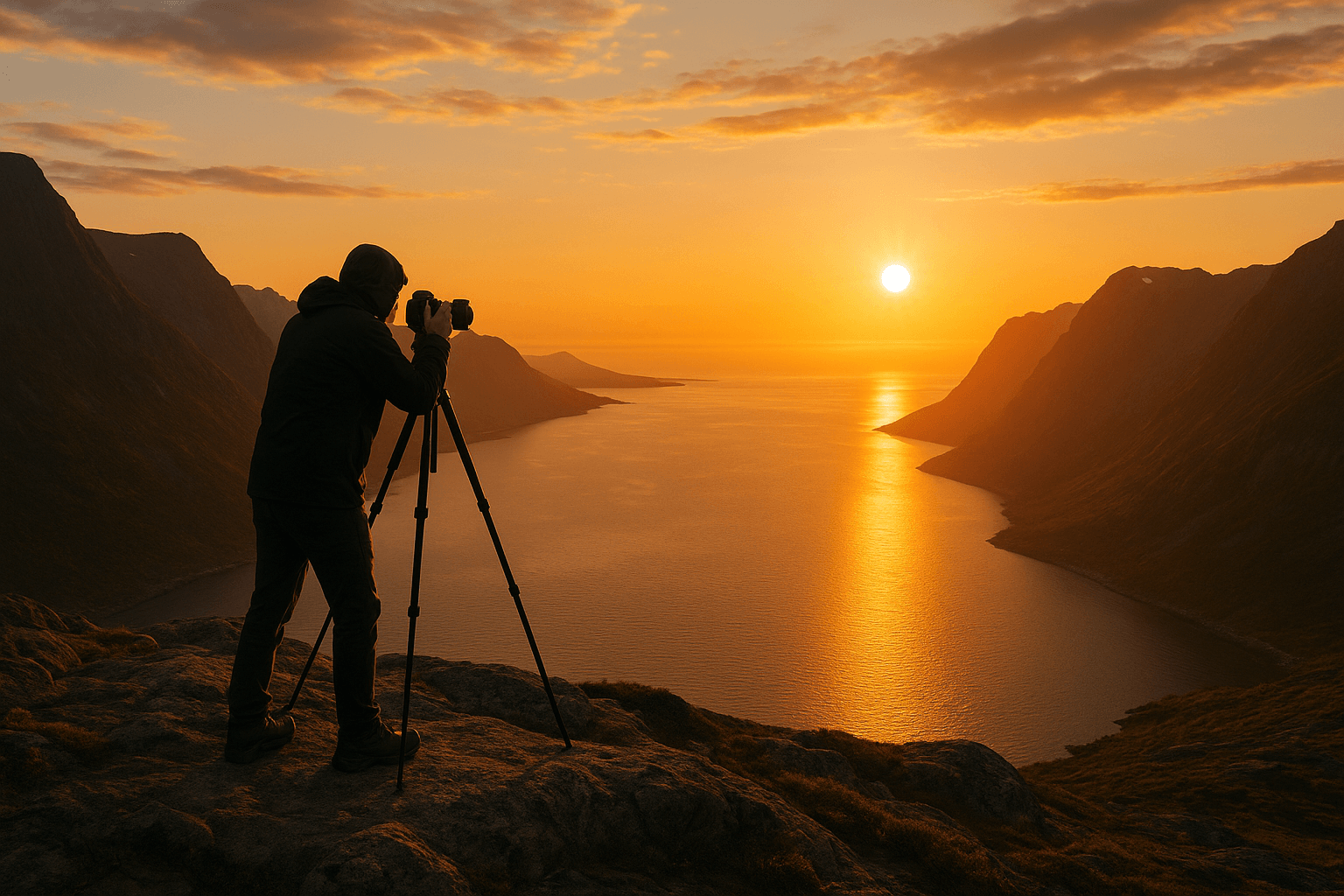
- Photographers who want long nights and interesting foregrounds
- Winter adventure seekers who want dog sledding, snowmobiling, ice hotels, and sauna time between viewing attempts
The main thing to remember is that aurora travel is not about certainty. It is about stacking the odds in your favor. As this practical reminder on northern lights travel puts it, the lights are never guaranteed, even in a strong destination.
Best Nordic destinations for seeing the northern lights
Iceland: Reykjavík base, but sleep outside the city
Iceland is one of the easiest Nordic countries for a first northern light trip because it combines aurora potential with simple access from Reykjavík. But if seeing the lights is a priority, do not stay in the capital only. Reykjavík has too much light pollution for reliable viewing.
A better strategy is to use Reykjavík as a short starting point, then move to darker areas:
- South Coast stays near Vík, Hella, Hvolsvöllur, or along the ring road
- Dark-sky drives away from town lights
- Winter road trip bases where you can watch forecasts and move if the sky opens
If you self-drive in Iceland, winter conditions matter. Roads can be icy, wind can be intense, and weather changes fast. Build in extra time and avoid overcommitting to long night drives. If you want scenery plus aurora chances, the South Coast is strong because you can pair the viewing with waterfalls, glaciers, and wide open landscapes.
Norway: Tromsø, Lofoten, and Alta
Norway is one of the most famous aurora countries for good reason. Tromsø is the most accessible hub, with flights, tours, and plenty of Arctic activity. It can be busy in winter, so you should plan for nearby dark-sky escapes.
Good Norway options include:
- Tromsø for easy access and lots of tour choices
- Alta for a quieter, more northern experience
- Lofoten for dramatic sea-and-mountain scenery
- Lyngen or surrounding fjord areas for darker, more flexible viewing
- Kirkenes if you want a remote northeastern feel
Norway’s scenery is hard to beat. Watching the aurora over fjords or from a coastal lodge is a very different experience from inland Lapland. If you are considering Norway more broadly, our guide to Norge / Norway: A Practical Guide to the Norway Country for First-Time Visitors is a useful place to start.
Sweden: Abisko and Swedish Lapland
If your main goal is aurora viewing, Abisko is one of the strongest names in the Nordics. It is famous for its microclimate and comparatively good odds of clear skies. That makes it a favorite for travelers who want to maximize their chance of seeing the lights.
Other good Swedish options include:
- Jukkasjärvi for ICEHOTEL stays
- Kiruna as a practical gateway into Swedish Lapland
- Luleå region for winter activities and darker surroundings
Swedish Lapland feels spacious and calm. You get forests, frozen lakes, and a true Arctic atmosphere without the sense of being in a big resort corridor. It is especially good if you want a quieter trip with fewer distractions.
Finland: Rovaniemi, Levi, Saariselkä
Finland is excellent for travelers who want a comfortable aurora trip with strong winter infrastructure. It is often easier to combine the lights with cozy lodging and easy daytime activities.
Best-known bases include:
- Rovaniemi for the classic Lapland gateway and easy flight access
- Levi for a ski-and-aurora combination
- Saariselkä for remote-feeling stays and good aurora potential
- Inari area for deeper Lapland atmosphere
- Glass igloos and wilderness lodges for easy night viewing
Finland is a great fit if you want to step outside, look up, and then go back into a warm cabin. The country is also especially strong for families, couples, and travelers who prefer comfort over self-driving in harsh conditions.
Lapland: why it stands out
Lapland is not a single country, but it is one of the best aurora regions in the Nordics overall, especially in Finnish Lapland and Swedish Lapland. The appeal is straightforward:
- Sparse light pollution
- Wide horizons
- Arctic landscapes
- Good winter tourism infrastructure
- Strong chance of meaningful darkness
Lapland is ideal if you want the “full Arctic” feeling without needing to sacrifice comfort. If the aurora appears, you can see it in a setting that feels remote and cinematic. If it does not, you still have snow, silence, reindeer, saunas, and winter activities.
When to plan your trip for the best odds
The best months for a northern light trip in the Nordics are usually late September to March. That is when the nights are dark enough for aurora viewing.
Best months at a glance
- Late September to November: good darkness, often milder than deep winter, but weather can still be changeable
- December to February: darkest period, strong viewing potential, but often the cloudiest and snowiest
- March: still dark enough, often a good balance of night length and winter conditions
If you want the highest chance of seeing something in the sky, midwinter gives you the longest darkness. If you want a better balance between weather and darkness, late autumn and early spring can be very good.
What affects visibility?
Three things matter most:
- Moon phase: a bright moon does not stop the aurora, but it can reduce contrast
- Cloud cover: clouds are the biggest spoiler
- Local weather: snow, wind, and coastal weather patterns can change quickly
That is why one destination can have a great aurora forecast while another stays clouded in. In Iceland and coastal Norway, weather can shift very rapidly. In Swedish Lapland and parts of Finnish Lapland, conditions can be more stable on some nights.
Why shoulder season can work
Shoulder-season travel in late September, October, February, or March can be a smart choice. You still get darkness, but you may also get:
- More comfortable temperatures
- Easier road conditions than midwinter
- Less crowded hotels than peak holiday weeks
If your dates are fixed, do not obsess over the “perfect” month. Focus on enough nights, dark skies, and a flexible plan.
Aurora forecasts: useful, but not the whole story
Aurora forecasts are worth checking, but do not plan your entire trip around them. They are useful for spotting activity trends, not for promising a sighting. Weather forecasts matter just as much, if not more.
A practical approach is:
- Check aurora and cloud forecasts daily
- Stay mobile within your chosen region
- Go out on multiple nights
- Treat any strong show as a bonus, not a guarantee
How to plan your route, transport, and overnight stays
For aurora travel, a short weekend is better than nothing, but 4 to 7 nights is the sweet spot. That is enough time to work around clouds and give yourself multiple viewing attempts.
Single-base or multi-stop?
Both can work.
Single-base trips are better if:
- You want less packing and unpacking
- You prefer comfort
- You are relying on tours
- You want to stay flexible for nightly aurora chases
Multi-stop routes are better if:
- You want to see more of the country
- You are comfortable with winter driving
- You want scenic variety in one trip
For first-timers, a single base is often easier. For example:
- Iceland: one South Coast base plus Reykjavík arrival/departure
- Norway: Tromsø plus one nearby fjord-area stay
- Finland: Rovaniemi plus Saariselkä or Levi
- Sweden: Kiruna plus Abisko
Winter driving considerations
Driving in winter is possible in Iceland, Norway, Sweden, and Finland, but it requires caution. Roads can be icy, visibility can drop quickly, and daylight is limited.
If you self-drive:
- Book a proper winter vehicle
- Check road conditions every day
- Avoid long nighttime drives after a big snow dump
- Keep your itinerary realistic
- Never assume a short map distance means easy winter travel
Guided tours or self-drive?
- Guided tours are easier if you are new to Arctic travel, uncomfortable on icy roads, or staying only a few nights.
- Self-drive is better if you want flexibility and know how to handle winter conditions.
Tours can be especially useful in Tromsø, Reykjavík area, and parts of Finnish Lapland. Self-drive is often a good option if you want to stop quickly when forecasts improve.
Choose darkness over name recognition
Do not book just because a place is famous. Choose based on:
- How far it is from city lights
- Whether the surroundings are open to the sky
- Whether you can stay multiple nights
- How easy it is to move if the weather changes
A no-name cabin in a dark location is often better than a famous hotel in a bright town.
Where to stay for comfort and darker skies
The right accommodation can make or break your trip. For aurora watching, the best options are often aurora cabins, glass igloos, wilderness lodges, and guesthouses.
What to look for
Choose a property with:
- Northern-facing or open-sky views
- Open surroundings with little light pollution
- Easy outdoor access at night
- Aurora alarms or wake-up alerts
- Flexible meal times, so you are not stuck at dinner during a possible sighting
Comfort vs. location
A hotel in town may be cheaper or easier, but it usually comes with more light pollution. A remote lodge may cost more, but it saves you from driving around at midnight every night.
Glass igloos and aurora cabins are popular in Finland and Lapland because they let you watch the sky in comfort. That is ideal for families, couples, and anyone who does not want to stand outside for hours in subzero weather.
Still, remote lodging usually wins if your priority is sighting quality.
What to pack and how to photograph the aurora
What to pack
Aurora viewing means standing still in cold air for long periods, often with wind. Pack for that reality.
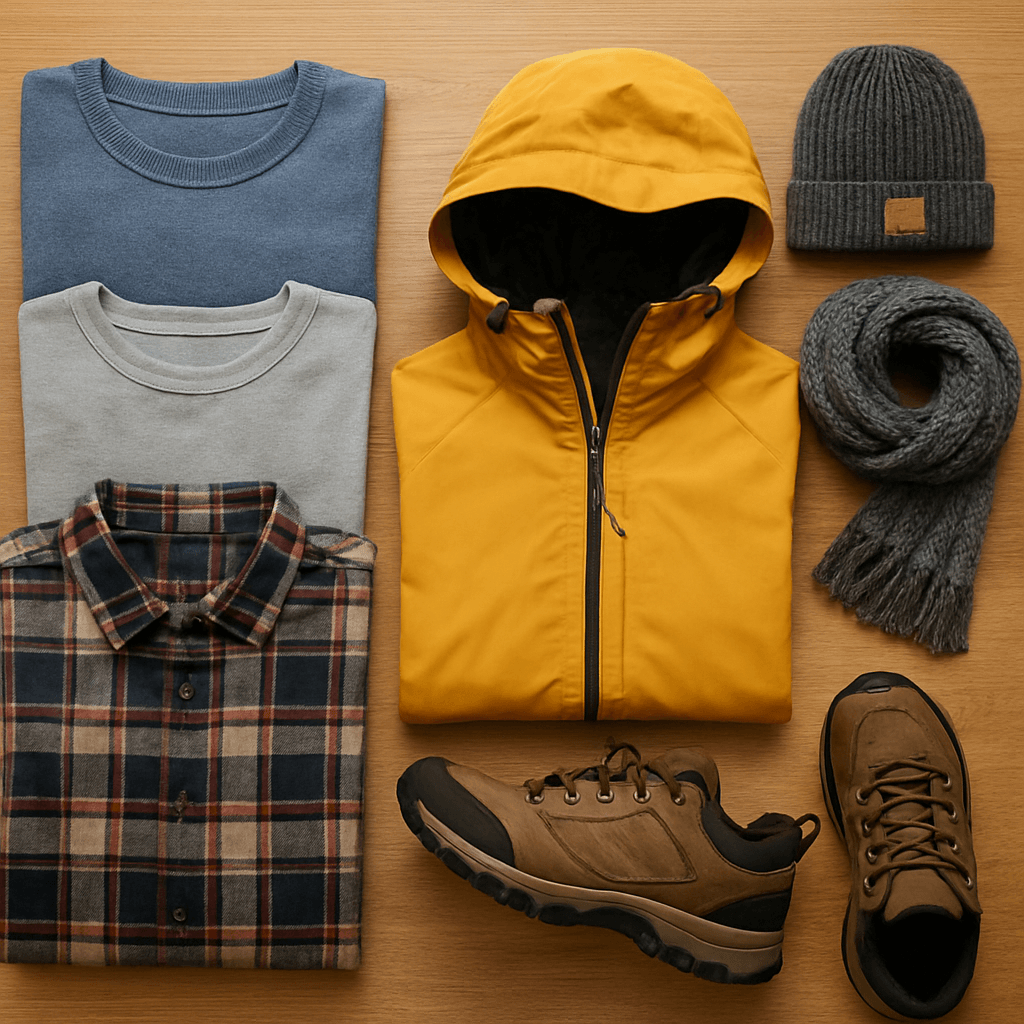
Bring:
- Thermal base layers
- Warm mid-layers
- Waterproof outer shell
- Insulated boots
- Thick gloves plus liner gloves
- Hat that covers your ears
- Hand warmers
- Headlamp with a red-light mode if possible
- Traction aids for icy paths
- Spare socks
- A thermos if you will be outdoors for long stretches
The trick is layering. You want to stay warm without sweating during daytime activities.
Photography basics
If you want aurora photos, bring:
- A tripod
- A camera with manual settings
- Spare batteries
- Extra memory card
- Lens cloth
Good beginner settings:
- Wide aperture
- Manual focus set to infinity, then fine-tuned
- ISO around 800–3200 depending on brightness
- Shutter speed from about 3–15 seconds depending on aurora movement
If the aurora is moving quickly, use shorter exposures. If it is faint, longer exposures help. For a practical field-tested perspective, 10 Things No One Ever Tells You About Northern Lights is worth a look, especially for realistic expectations about how the lights can look to the naked eye.
Smartphone tips
Modern phones can work surprisingly well if:
- You keep the phone still
- You use night mode when available
- You brace it on a tripod, railing, or rock
- You avoid zooming too much
Keep expectations realistic
Your eyes may see a pale white or greenish arc before your camera picks up stronger color. That does not mean the show is weak. It means the aurora is behaving like the aurora often does: subtly, then suddenly.
Common mistakes to avoid on a northern light trip
Here are the big ones:
1. Booking too short a stay
One night is a gamble. Four to seven nights is much better.
2. Staying in a bright city
Reykjavík, Tromsø, and other towns are useful bases, but the best viewing usually happens away from the lights.
3. Ignoring cloud patterns
Aurora activity matters, but clear skies matter just as much.
4. Filling the day too full
If you schedule every hour of sightseeing, you may be too tired to go out at night.
5. Assuming one Nordic country is always best
Iceland, Norway, Sweden, Finland, and Lapland all offer good chances. The best choice depends on weather, timing, and trip style.
Final planning checklist before you book
Before you confirm your trip, make sure you have:
- Travel dates within aurora season
- At least 4 nights, ideally 5 to 7
- A dark-sky base, not just a famous city name
- A clear plan for transport in winter
- Flexible accommodation or cancellable tours
- One backup activity for cloudy nights
- Aurora and weather apps or alerts on your phone
- A decision about your priority: scenery, comfort, or viewing odds
If you also want to understand how the broader Nordic seasons shape travel, our Ultimate Scandinavia Guide: The Best Times & Places to Visit is a useful reference for trip planning in the region.
Structured FAQ
What is the best month for a northern light trip in the Nordics?
The best months are usually from late September to March, when nights are dark enough for aurora viewing.
Which Nordic country is best for seeing the northern lights?
There is no single best country, but Iceland, Norway, Sweden, Finland, and Lapland all offer strong aurora opportunities with different landscapes and travel styles.
Do I need to stay many nights to have a good chance?
Yes. A stay of at least 4 to 7 nights improves your odds because the aurora depends on both activity and clear skies.
Can I see the northern lights from a city?
Sometimes, but your chances are much better outside city lights in darker areas with open skies.
Should I book a guided tour or travel independently?
Guided tours are easier for first-time visitors, while self-drive trips offer more flexibility if you are comfortable with winter conditions.
Will I definitely see the northern lights?
No. Even in the best destinations, the aurora is never guaranteed because weather and solar activity change from night to night.
If you plan carefully, a northern light trip in the Nordics becomes more than a hunt for a sky event. It becomes a winter journey through some of the most atmospheric landscapes in Europe: Icelandic roads, Norwegian fjords, Swedish forest, Finnish lakes, and Arctic Lapland nights that feel almost silent. The lights may be the headline, but the trip itself is the real reward.