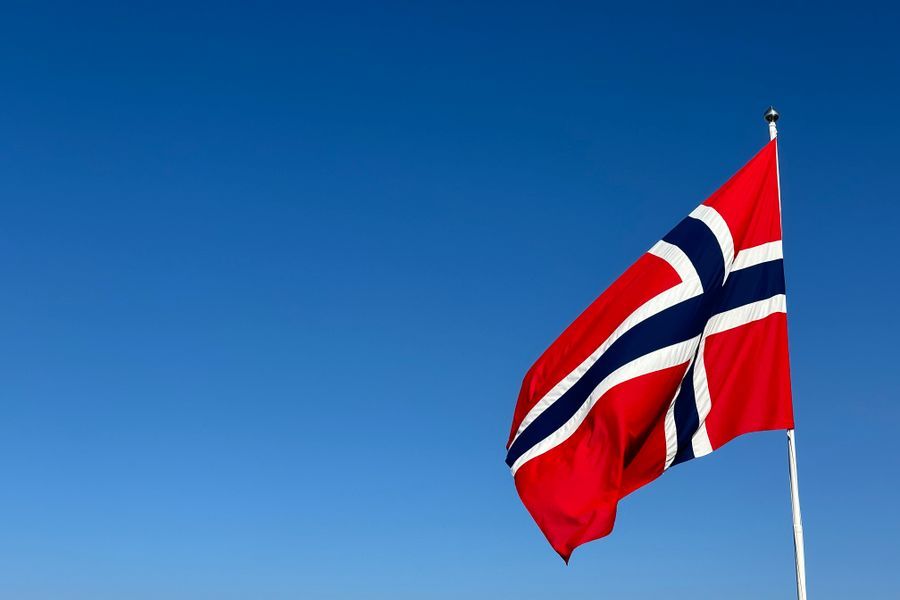
If you are planning your first Nordic trip, norge norway should be high on the list. Norway is one of the easiest Nordic countries to organize and one of the most rewarding to experience. It has strong transport, clear tourist infrastructure, and a landscape that does a lot of the work for you: fjords, mountain roads, coastal villages, Arctic light, and cities that feel clean, compact, and easy to navigate.
This is not a place where you need to overcomplicate the itinerary. Norway works best when you choose a few regions, move at a realistic pace, and leave room for weather, ferry timetables, and long scenic stops. In this guide, you will find the essentials: where to go, when to visit, how to get around, and what first-time visitors should know before booking.
Why Norway Should Be Your Next Nordic Trip
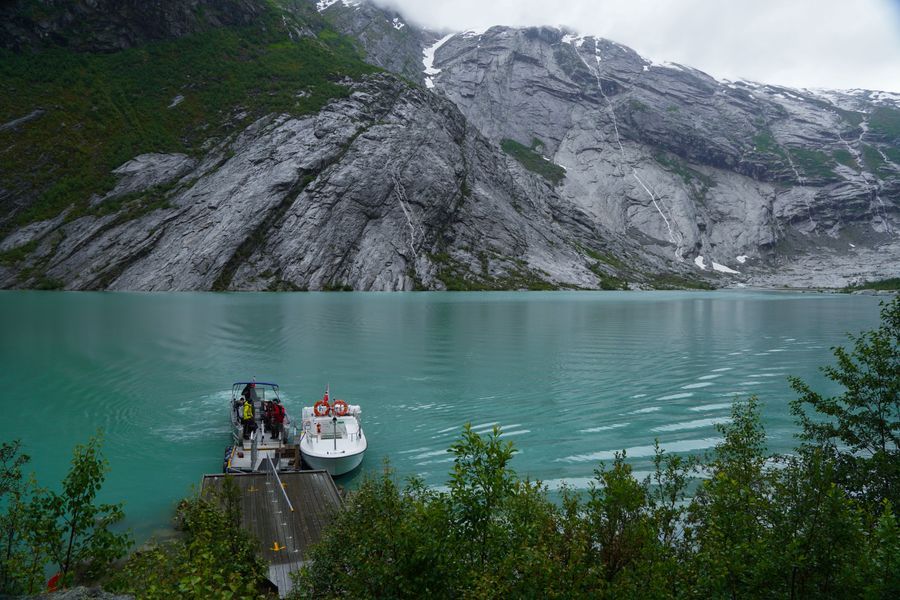
Norway belongs on any Nordic travel list because it offers a very clear kind of trip: nature-first, comfortable, and easy to shape around your interests. You can spend one day in a modern city like Oslo, the next in a fjord valley, and later in a fishing village under long summer light or winter darkness. Few Nordic countries combine that range so neatly.
What makes the Norway country distinctive is the landscape. The west coast is famous for steep fjords and winding roads. Inland and central areas bring forests, valleys, and mountain passes. In the north, you get Arctic coastline, reindeer country, winter skies, and long daylight in summer. That variety is the main reason first-time visitors keep coming back.
Norway also has strong travel infrastructure for a place that feels so wild. Trains are comfortable, ferries are frequent in the coastal regions, and domestic flights help connect long distances. Cities are easy to handle on foot or with public transport. Outside the cities, the rhythm slows down, but that is part of the appeal.
Expect a trip built around scenery, short hikes, scenic drives, tidy towns, and outdoor time. If you want a packed museum-only city break, Norway can do that too. But it shines most when the itinerary leaves space for fjords, viewpoints, and unplanned stops.
Norway Country Basics: Geography, Regions, and Travel Style
Norway is a long country, and that shape affects everything from transport to how many places you should realistically see. A common first-trip mistake is trying to cover too much ground. Even with good roads and flights, Norway rewards regional travel.
Here is a simple way to think about the main travel areas:
- Oslo and the southeast: the capital region, cultural sights, easy arrival, and smooth city travel.
- The fjord west coast: Bergen, the classic fjords, mountain scenery, and some of the most iconic views in Scandinavia.
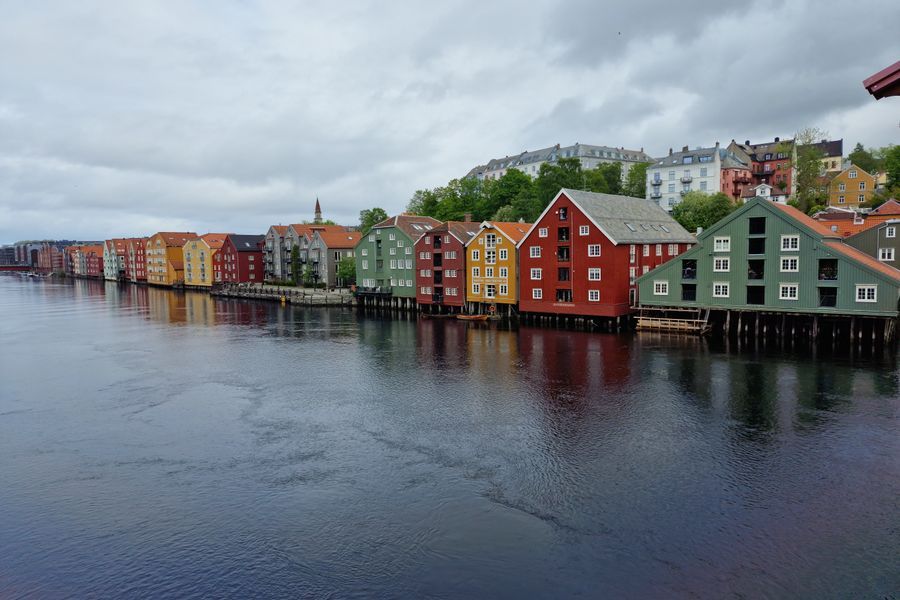
- Central Norway: Trondheim and the surrounding areas, often quieter and useful if you want a more balanced route.
- Northern Norway and Arctic areas: Tromsø, Lofoten, and the far north, with strong winter and summer contrasts.
The landscape shapes pacing more than almost anywhere else in the Nordic region. A 200-kilometre drive may include ferries, tunnels, mountain roads, and slow scenic sections. That is why Norway is a country for planned-but-flexible travel. The view is often the point.
Culturally, you will notice a difference between urban Norway and smaller coastal or mountain communities. Oslo and Bergen feel polished and modern. Smaller places can feel more local, quieter, and weather-dependent, with limited opening hours outside peak season. That is normal, not a problem—just something to plan around.
For visitors, Norway is very friendly in practical terms. English is widely spoken. The currency is the Norwegian krone. Card payment is common almost everywhere, and cash is rarely necessary. If you are also exploring other Nordic countries like Finland, Iceland, or Lapland areas in Sweden or Finland, Norway will still feel familiar, but with a more dramatic coastline and a stronger emphasis on fjord travel.
For a good overview of official travel themes and seasonal planning, the Visit Norway guide is useful.
Best Places to Visit in Norway
A first trip does not need to see everything. It needs the right mix. For most travelers, that means one city, one fjord area, and one northern or scenic nature base.
Oslo: easy arrival and a strong city base
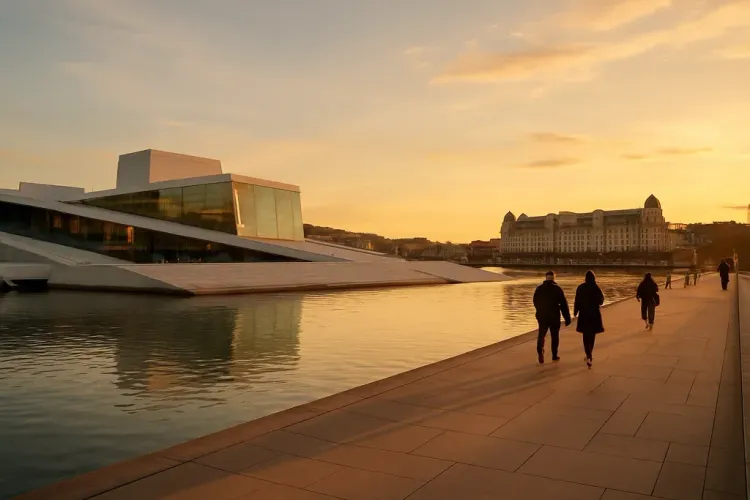
Oslo is the best starting point for many first-time visitors. It is simple to reach, easy to get around, and full of good museums, waterfront districts, and walkable neighbourhoods. If you like a balanced city stop before heading into nature, Oslo works well.
Good areas to focus on include the harbourfront, Aker Brygge, the Barcode area, and the museum-heavy Bygdøy peninsula. Oslo is also a useful base for a short trip if you want a low-stress Nordic city stay before heading west or north.
Bergen: the gateway to the fjords
Bergen is the classic western Norway city. It has a colorful harbour, historic wooden streets, mountain views, and direct access to fjord travel. If you are only choosing one city outside Oslo, Bergen is the most logical pick for a scenic first visit.
The old wharf area, Bryggen, gives you the historic side of the city, while the funicular up Mount Fløyen offers a quick overlook of the coastline and surrounding hills. Bergen is also practical: it connects well to boat trips, fjord routes, and coastal transport.
Geirangerfjord or Nærøyfjord: essential fjord scenery
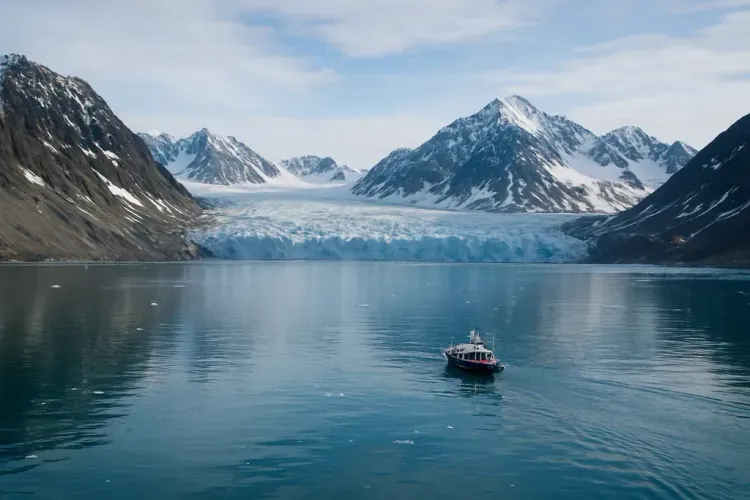
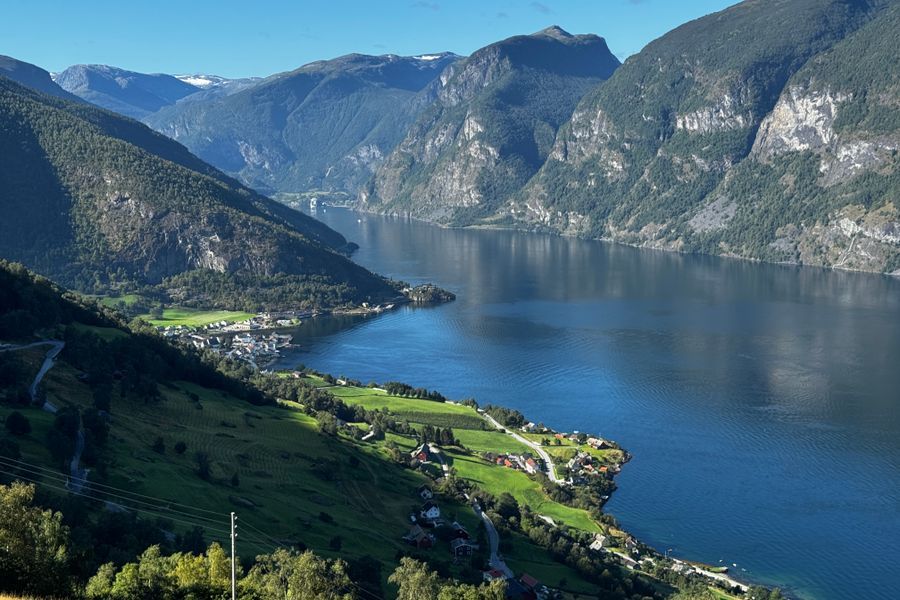
If you want the postcard version of the Norway country, you need at least one major fjord. Geirangerfjord and Nærøyfjord are among the most famous choices, and for good reason. They deliver steep mountains, waterfall-heavy valleys, and the kind of scenery that makes slow travel feel worthwhile.
If your time is limited, choose one fjord area rather than rushing through several. Fjords are not stops you want to “check off.” They are places to move through slowly, ideally with a boat, scenic road, or both.
Tromsø: the northern city experience
Tromsø is the best-known northern city for a first Arctic-style Norway trip. It has a lively but manageable city centre, easy access to winter activities, and a strong base for seeing the northern lights in the dark season. In summer, it is also a good place for long daylight and northern road trips.
If you want city comfort plus Arctic atmosphere, Tromsø is one of the smartest choices in Northern Norway.
Lofoten: dramatic coastlines and fishing villages
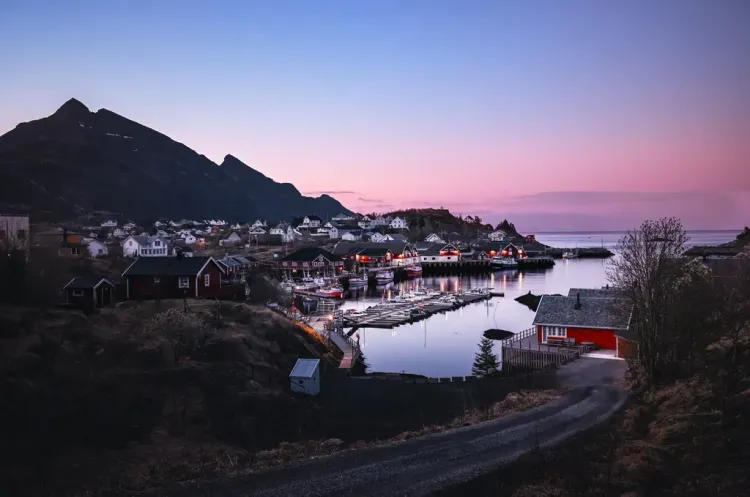
Lofoten is one of the most visually striking parts of Norway. Think steep peaks, narrow roads, fishing villages, beaches, harbours, and constant photo opportunities. It is especially good if you like hiking, road trips, and landscape photography.
Lofoten works best with enough time. A rushed visit misses the point. Stay in one or two places, drive slowly, and leave time for weather changes. The Visit Norway top destinations page is a helpful starting point if you are narrowing down regions.
Lapland-adjacent experiences in Northern Norway
If your interest is the far north, Norway also gives you access to Sami culture, Arctic nature, and winter light conditions similar to what travelers look for in Finnish Lapland and Swedish Lapland. Reindeer culture, snow-covered landscapes, and quieter northern communities can be part of a Norway itinerary without crossing into other Nordic countries.
When to Visit Norway: Seasons and What Each One Offers
The best time to visit Norway depends on your goal.
Summer: best for broad sightseeing
Summer is the easiest season for first-time visitors. You get long daylight, good road-trip conditions, easier hiking, and fuller access to fjords and scenic routes. It is the most flexible time for a multi-region itinerary.
If you want to see as much as possible with the least weather risk, summer is the strongest choice.
Autumn: quieter and still scenic
Autumn is a good option if you want fewer crowds and some color in the landscape. Cities are calmer, and the scenery can still be excellent, especially in coastal and inland areas. It is also a good season for travelers who prefer cooler temperatures and more flexible pacing.
Winter: best for snow and northern lights
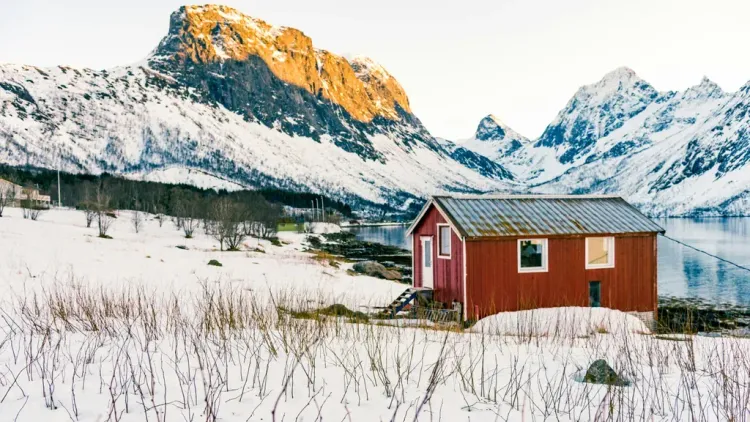
Winter is ideal if your goal is Arctic-style travel, snow activities, and northern lights in Northern Norway. Tromsø and other northern areas are especially strong in this season. Just be realistic about daylight. In the far north, winter days are short, and weather can affect transport.
Spring: waterfalls and shoulder-season value
Spring can be one of the most underrated times to visit. Meltwater feeds waterfalls, landscapes thaw slowly, and popular regions can feel less crowded. If you do not mind variable weather, spring can offer good value and dramatic scenery.
How to choose your dates
Pick your season based on the experience you want:
- Sightseeing and road trips: summer
- Hiking and fjords with good visibility: summer to early autumn
- Northern lights: winter, especially in the north
- Quiet travel and waterfall scenery: spring
- Fewer crowds and milder temperatures: autumn
For seasonal planning, the official Norway month by month guide is worth checking.
How to Travel Around Norway Without Stress
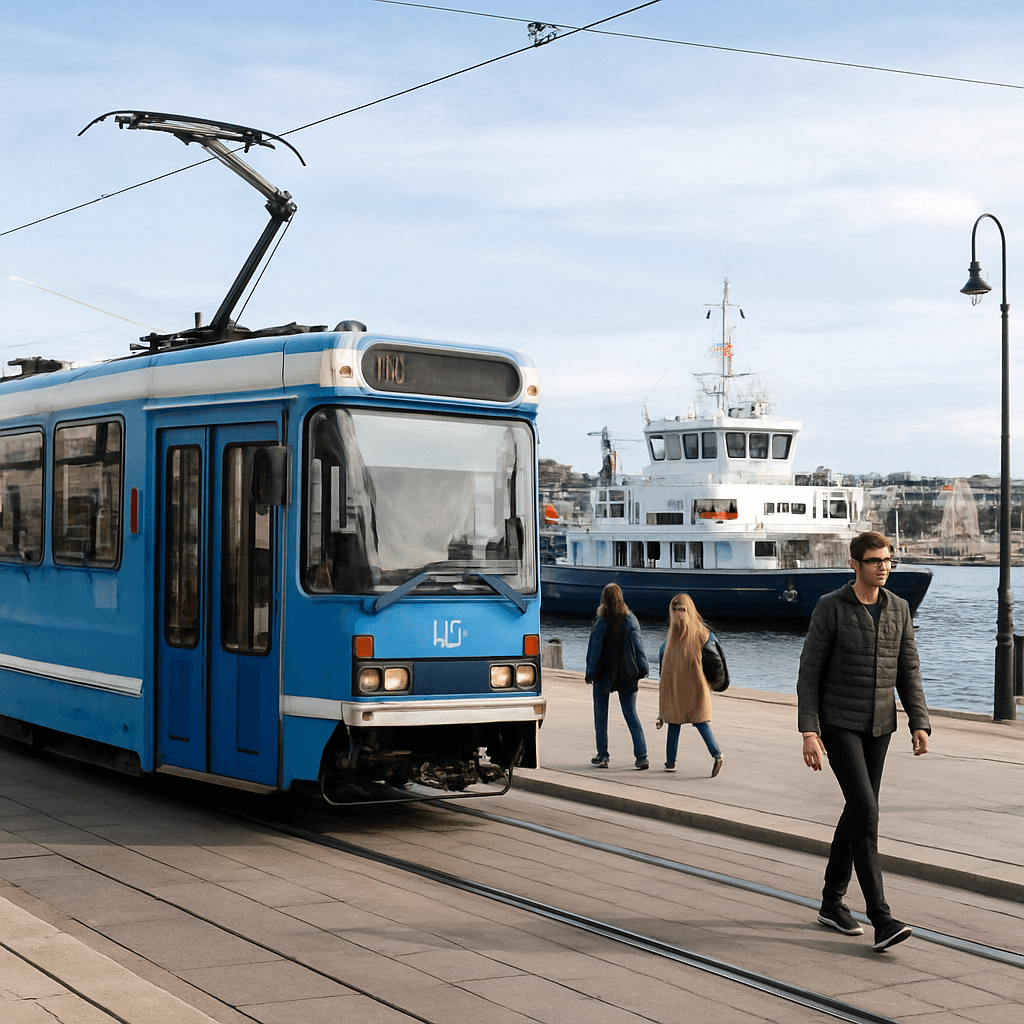
Norway is very doable without driving everywhere, but you should choose transport based on distance and region.
Domestic flights
Use flights when you need to cover long distances efficiently, especially between Oslo, Bergen, Tromsø, and the far north. Norway is long enough that flying can save a lot of time on a short trip.
Trains
Train travel is one of the most comfortable ways to move between major Norwegian cities and scenic inland routes. It is not always the fastest option, but it is often the easiest for a relaxed first visit. Trains are especially useful if you want a break from driving and a more low-stress travel day.
Ferries and express boats
Ferries are part of the Norway experience, especially in fjord regions and along the coast. In some places, they are essential transport. In others, they are simply the best way to enjoy the landscape. Do not treat ferries as a hassle; in Norway, they are often part of the scenery.
Self-drive
A car is helpful for fjords, coastal loops, and flexible stops. But driving in the Norway country is not something to rush. Roads can include tunnels, mountain passes, narrow sections, weather changes, and ferry crossings. Build in more time than you think you need.
If you are doing a fjord-heavy trip or want to reach smaller places, self-drive makes sense. If you are moving between major cities, trains and flights may be easier.
The best strategy is often to combine transport modes rather than insisting on one. For example: fly into Oslo, train or ferry through a fjord region, then fly north for Tromsø or Lofoten.
Practical Tips for a Smooth Norway Trip

Budgeting
Norway can be expensive. Plan for accommodation, food, and transport costs in advance. Booking early usually helps. Public transport can save money, and simple meals go a long way if you do not want to spend heavily on dining out.
Packing
Pack in layers, even in summer. Bring waterproof outerwear, comfortable walking shoes, and seasonal gear if you are visiting the north in winter. If you are traveling in summer, eye masks can help with the long daylight. In winter, think warm base layers, gloves, and hats.
Food and dining
Expect straightforward Nordic food, a strong breakfast culture, and hotel breakfasts that can easily become your most useful meal of the day. If you want to keep costs down, buy groceries for lunches or simple dinners where possible. In larger cities, you will find cafés, bakeries, seafood, and casual Nordic meals.
Etiquette
Norwegian travel etiquette is simple:
- keep noise low in public spaces,
- stay on marked trails,
- respect nature and local rules,
- leave outdoor areas as you found them.
That matters especially in scenic areas where fragile landscapes and heavy visitor use can be an issue. The Nordic travel mindset is generally about quiet respect rather than attention-seeking.
Planning checklist
Before you book, decide:
- your season,
- whether you want cities, fjords, or the north,
- how many regions you can realistically cover,
- your transport mix,
- where you will sleep each night.
That alone will make the trip much smoother.
Quick FAQ: Norway Trip Planning Essentials
Is Norway a good country for first-time Nordic travelers?
Yes. Norway is easy to plan, has strong transport options, and offers a clear mix of city, fjord, and mountain experiences.
What is the best time to visit Norway?
Summer is best for broad sightseeing and road trips, while winter is ideal for snow and northern lights in the north.
Do I need a car in Norway?
Not always. Trains, ferries, and flights can cover many routes, but a car is useful for fjord areas and flexible scenic travel.
Is Norway expensive to visit?
Yes, it can be. Travelers usually save by booking early, using public transport, and planning simple meals.
Which places should I prioritize in the Norway country?
For a first trip, Oslo, Bergen, one fjord area, and either Tromsø or Lofoten make a balanced itinerary.
Can I see the northern lights in Norway?
Yes, especially in Northern Norway during the dark winter months with clear skies.
Final Thoughts
Norway is one of the most practical Nordic destinations for a first trip because the country gives you a clear structure without making the travel feel complicated. Pick a few strong regions, travel at a sane pace, and let the scenery shape the itinerary. If you do that, Norway is not just easy to visit—it is one of the most memorable countries in the Nordic region.