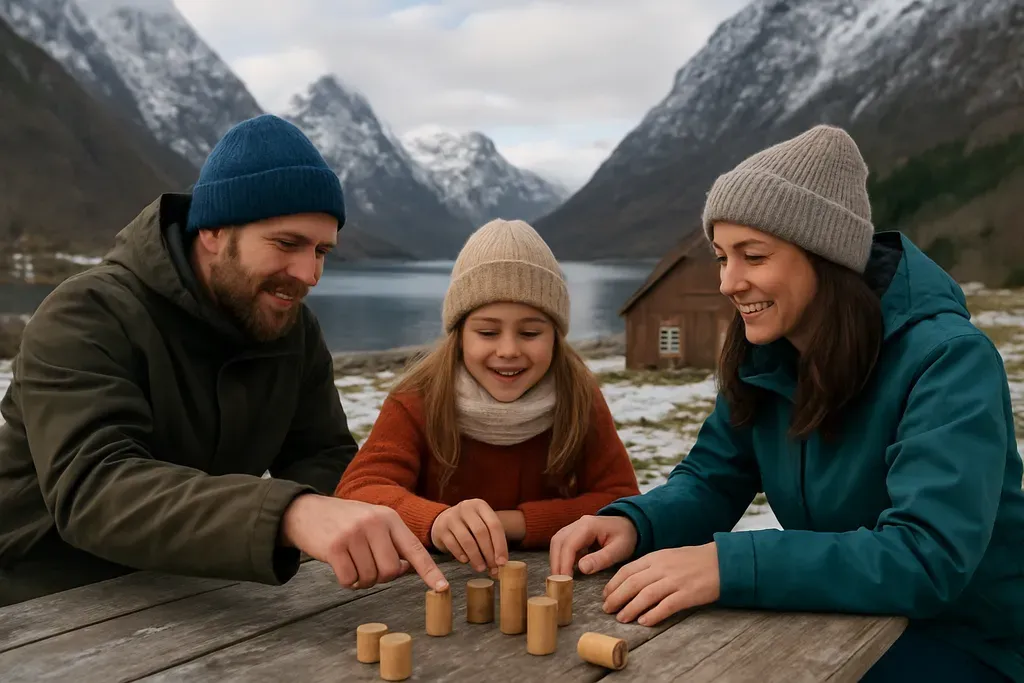
Norwegian games are one of the easiest ways to understand Norway beyond the scenery. They show how families spend time together, how communities celebrate the seasons, and how older traditions still shape modern life. Some are ancient strategy games passed down through Norse history. Others are simple snow races, cabin games, or festival activities that work just as well for visitors as they do for locals.
If you are planning a trip to Norway, games can add something useful to your itinerary: a low-pressure way to join in local culture without needing a museum lecture or a long hike. They also fit naturally with travel in the Nordics, where weather, daylight, and social habits often shape what people do together. In Norway, play is not just for children. It is part of family weekends, outdoor life, school holidays, and seasonal gatherings in cities, coastal towns, and mountain communities.
What are Norwegian games?
In a travel-and-culture context, Norwegian games usually means three things: traditional pastimes, folk games, and modern games made in Norway. That can include Viking-era board games, outdoor activities played at cabins or during winter holidays, festival games at local events, and video games created by Norwegian studios.
Why do games matter so much in Norwegian life? The short answer is that they bring people together. Norway’s social culture often centers on shared activity rather than formal entertainment. That might mean a game board on a cabin table, a race across a snowy field, or a casual summer contest during a neighborhood gathering. Outdoor activity is also central to daily life, which makes games feel like a natural extension of the landscape rather than a separate pastime. Britannica notes that Norway’s environment and coastal, Arctic setting have strongly shaped its customs and social life, especially around outdoor living and seasonal routines (Britannica).
For travelers, it helps to set expectations early. Some Norwegian games are easy to try because hosts explain the rules quickly and provide the equipment. Others are more like cultural references: you may see them in museums, school displays, or local hobby scenes, but not necessarily play them yourself. And while many visitors think of them as a museum experience, Norwegian games appear in real life too — in city parks, on ferries to coastal communities, in cabin areas, and at summer festivals.
Traditional Norwegian games worth knowing
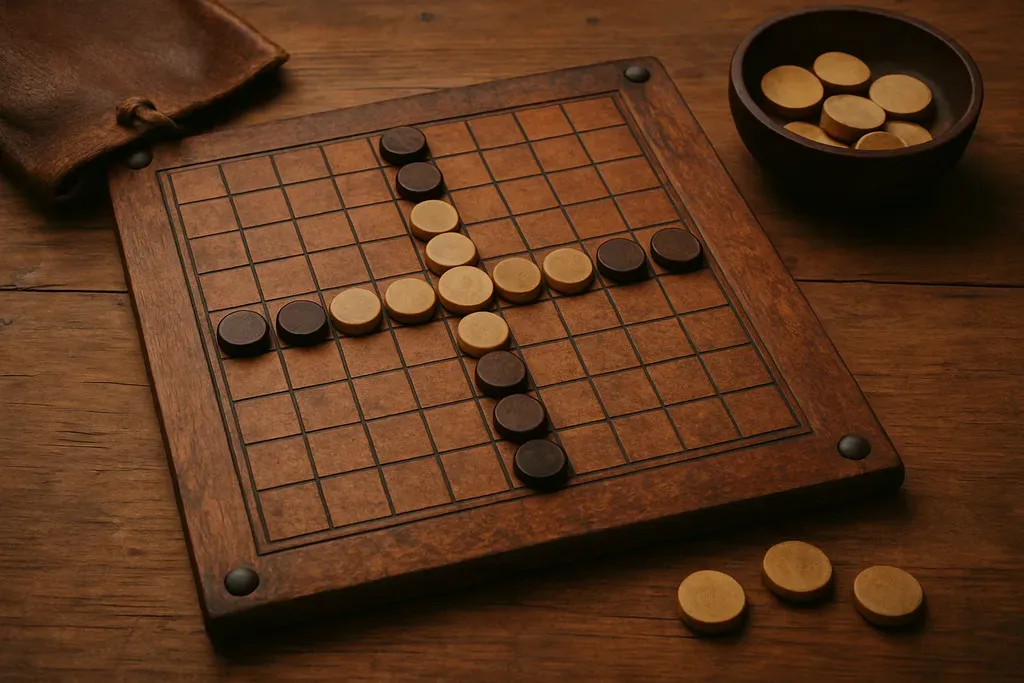
The most famous historical game associated with Norway is hnefatafl, a Viking-era strategy game often described as an ancestor of chess-like tactical games. It is asymmetrical, which means the two sides do not start with the same pieces or goals. That makes it feel different from modern board games, and it offers a practical link to Norse history. You are not likely to find hnefatafl in every café, but you may encounter it in heritage museums, craft shops, or historical demonstrations in Norway and wider Nordic settings.
Traditional Norwegian games also include simpler outdoor activities that fit family life. In winter, that can mean sledding races, snow games, and informal competitions on skis. In areas where children grow up with long winters, these games are not special occasions so much as normal ways to use the season. A snowy hill becomes a play space, and a frozen field becomes a place for races, balance games, or relay-style challenges.
Some folk-style games show up at local festivals, school celebrations, and cabin gatherings. These tend to be easy to understand and require little equipment. Think of throwing games, relay games, tug-of-war, or group contests adapted to the space around them. What makes them appealing to visitors is their low barrier to entry. You do not need specialist training. You usually need warm clothes, a willingness to look slightly silly, and a host who is happy to explain the rules.
That is part of the charm of traditional Norwegian games: they are social first, competitive second. You are not there to master a complex sport. You are there to take part, laugh, and see how Norwegians make play fit into daily life.
Where to experience Norwegian games as a traveler
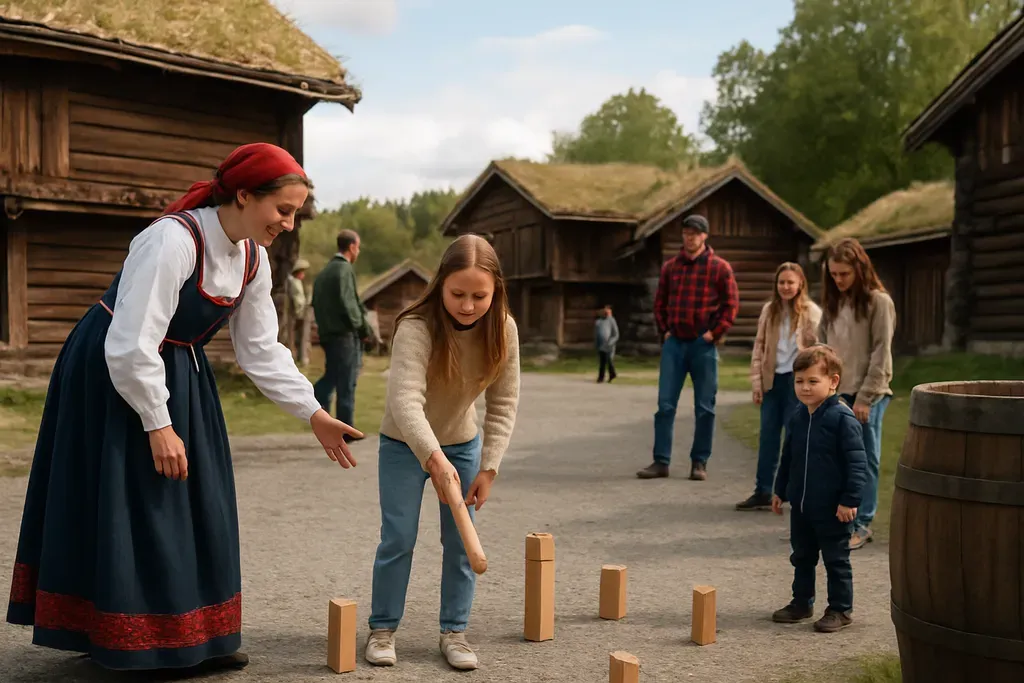
If you want to encounter Norwegian games in a meaningful way, start with places where culture is already being interpreted for visitors.
Museums and heritage centers
Museums are the best place to see historical games in context. Look for Viking museums, folk museums, and open-air heritage centers in and around Oslo, Bergen, and Trondheim. These places often include interactive displays, seasonal activities, or live demonstrations. In Oslo, a good starting point is Oslo, Norway: A Nordic City Guide to Culture, Nature, and Easy Exploring, which can help you plan a city stop that combines museums with easy neighborhood walking.
If your trip centers on the capital, Oslo, Norway: The Practical Guide to Norway’s Capital for First-Time Visitors is a useful companion for choosing the right museum day and nearby attractions.
Family attractions and local festivals
Family attractions often do a better job than big museums at making games feel hands-on. During school breaks, summer fairs, and holiday markets, you may find traditional games set up as part of a broader program. These events are especially common in smaller towns, where local clubs and community groups keep traditions alive.
Festival settings are also where visitors are most likely to experience folk games in action. You might not get a polished explanation every time, but you will see how people actually play them. That is often more useful than a perfectly staged demonstration.
Winter destinations and northern areas
Winter destinations in Norway — and Lapland-style northern areas more broadly across the Nordics — are especially good for snow-based games and outdoor play. Ski hills, frozen lakes, and family resorts naturally support sledding, relay races, and informal competitions. If you are already planning a winter escape, Finland and Lapland: How to Plan the Perfect Nordic Winter Escape can help you compare the northern experience across Nordic destinations while staying focused on Nordic travel.
Cities still offer options
Urban travelers should not assume games only happen in museums or the countryside. Oslo, Bergen, Trondheim, and Stavanger all have cultural events, game cafés, family programs, and public activities that introduce Norwegian game culture in a modern setting. If you are building a city stay around food, museums, and easy logistics, Norway Oslo City Guide: What to See, Do, and Know Before You Go can help you find the right balance.
Modern Norwegian games and game culture
Norway’s game culture is not limited to old traditions. There is also a contemporary scene of video game development, board game design, and digital storytelling that reflects Norwegian identity in new ways.
Modern Norwegian games often draw on local landscapes and themes: fjords, forests, mountains, seafaring, northern weather, and folklore. That makes them a natural extension of travel interest. If you are already curious about Norwegian scenery, a game inspired by that scenery can help you notice details you might otherwise miss. The same goes for Norse mythology and regional storytelling, which continue to influence both entertainment and cultural branding in Norway.
This is not about chasing global gaming trends. It is about seeing how Norway tells its own stories. A game set in a stormy coast or a remote mountain village can feel closely tied to the country’s visual identity. Even when the gameplay is modern, the atmosphere can still be recognizably Norwegian.
For travelers, that means game culture can be part of a broader cultural itinerary. You might spend the morning at a museum, the afternoon walking around a harbor district, and the evening in a local café or gaming space where Norwegian design and storytelling are part of the experience.
Best times of year to join in
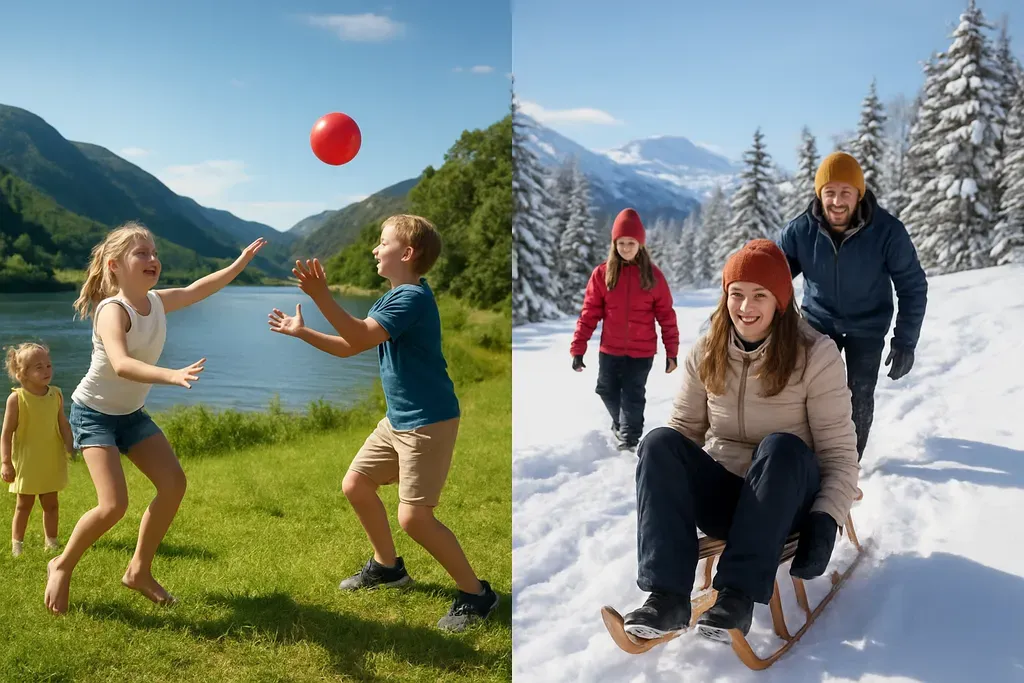
The best time to try Norwegian games depends on the type of game you want.
Summer
Summer is ideal for outdoor play. Long daylight hours, milder weather, and frequent festivals make it easy to join games in parks, at cabins, and during local events. In much of Norway, summer also means more flexible schedules and more outdoor gatherings. This is the season for family games, casual competitions, and playful traditions that spill outside after dinner.
If you are timing your trip around the long Nordic light, Midnight Sun in the Nordics: Where to See It, When to Go, and How to Plan Your Trip is helpful for understanding how daylight changes your travel rhythm in the north.
Winter
Winter is the season for snow games, sledding, and indoor strategy games. In Norway, darkness does not stop social life; it changes it. People gather indoors more often, and that makes board games, table games, and cabin activities especially important. If your trip includes northern Norway, winter also offers a strong connection between landscape and play: snow becomes the equipment.
For travelers hoping to combine night skies and winter culture, How to Plan a Northern Light Trip in the Nordics: Best Places, Timing, and Practical Tips is useful background before you build a winter itinerary.
Shoulder seasons
Spring and autumn are quieter but still good for museums, cultural centers, and indoor family activities. These months are ideal if you want fewer crowds and more flexibility. They are also useful if you prefer not to plan your trip around extreme daylight or heavy snow.
Regional differences matter too. Southern Norway tends to have milder shoulder seasons, while the north stays winter-like longer and keeps daylight extremes more noticeable. Plan accordingly.
How to take part respectfully
Joining in is easy if you approach it the Norwegian way: prepared, polite, and flexible.
First, check whether the activity is a public demonstration, a family tradition, or a ticketed event. That matters because some games are open to everyone, while others are part of a private gathering or a guided program.
Second, follow local etiquette. Ask before photographing people, especially if the game is part of a cultural event or family celebration. Be ready to remove your shoes indoors if requested, especially in cabins and private homes. And if a host explains the rules quickly, listen carefully before jumping in.
Third, dress for the weather. In Norway, even simple outdoor games can become uncomfortable if you are underprepared. Bring layers, gloves, and shoes or boots that work on wet ground, ice, or snow. If you are joining a winter activity, make sure you can move comfortably without overthinking your outfit.
Finally, learn the basic rules before you join. You do not need to become an expert, but a few minutes of preparation helps you feel more relaxed. It also shows respect for the people hosting the activity. That is usually all it takes to turn a tourist moment into a genuinely welcoming one.
A simple Norwegian games itinerary
If you want a game-themed itinerary in Norway, keep it simple.
One-day version in Oslo:
- Start with a museum or heritage center that includes historical games or Norse history.
- Have lunch in the city center.
- Spend the afternoon at a cultural attraction, family venue, or gaming café.
- End with a relaxed dinner and a walk through a neighborhood with easy public transport access.
Weekend version:
- Day 1: City museum and one indoor game-related stop.
- Day 2: Take a short trip outside the center for a cabin-style experience, park activity, or family attraction where outdoor games are possible.
Family-friendly version:
- Choose a museum with interactive exhibits.
- Add one outdoor stop with space for simple games.
- Finish with an early dinner and a calm evening, especially if children are involved.
Couples or solo travelers:
- Pair a heritage visit with a café stop or board game venue.
- Add a scenic walk so the day still feels like a Norway trip, not just a theme day.
- Keep the schedule loose enough to join a local event if one appears.
If you are building your broader Norway trip, Norge / Norway: A Practical Guide to the Norway Country for First-Time Visitors is a helpful base layer for transport, pacing, and practical planning.
FAQ
What does “Norwegian games” mean?
It usually refers to traditional Norwegian pastimes, folk games, and modern games made in Norway.
Can visitors try traditional games in Norway?
Yes, many museums, festivals, and family attractions offer hands-on demonstrations or simple activities for visitors.
Are Norwegian games mostly winter activities?
No, some are winter-based, but many are played in summer at festivals, cabins, and outdoor gatherings.
Do I need special equipment to join in?
Usually not. Many games use basic items or are led by hosts who provide what you need.
Are video games part of Norwegian game culture?
Yes, Norway has a growing game-development scene and several games inspired by Norwegian landscapes and stories.
Final takeaway
Norwegian games are more than entertainment. They are a practical window into Norwegian family life, seasonal habits, and local history. Whether you see an old strategy game in a museum, join a snow race near a cabin, or notice how modern game culture reflects fjords and folklore, you are looking at a part of Norway that is lived, not staged.
If you want a trip that feels rooted in everyday culture, add at least one game experience to your itinerary. It is one of the simplest ways to understand Norway from the inside.