Oslo is one of those Nordic capitals that feels easy to understand quickly, yet rewarding enough to keep discovering. Set between the Oslofjord and the forested hills beyond, norway oslo city offers a mix of waterfront views, contemporary architecture, world-class museums, and calm neighborhoods that still feel distinctly local. It is a capital where you can spend the morning in a museum, the afternoon walking by the fjord, and the evening in a café or sauna without ever needing to rush.
If you are planning a first trip to Norway, Oslo is an excellent starting point. For a broader overview of the country, see our Norge / Norway: A Practical Guide to the Norway Country for First-Time Visitors. And if you want a more focused overview of the capital itself, our Oslo, Norway: The Practical Guide to Norway’s Capital for First-Time Visitors is a helpful companion read.
This guide covers what to see, how to get around, where to eat, and how to plan a trip that feels balanced rather than overpacked.
Introduction to Oslo: Norway’s capital by the fjord
Oslo’s setting is one of its biggest strengths. The city stretches from the inner Oslofjord to wooded hills and parks, which means nature is never far away. Even in the central districts, you often feel that the landscape is doing as much of the work as the city itself.
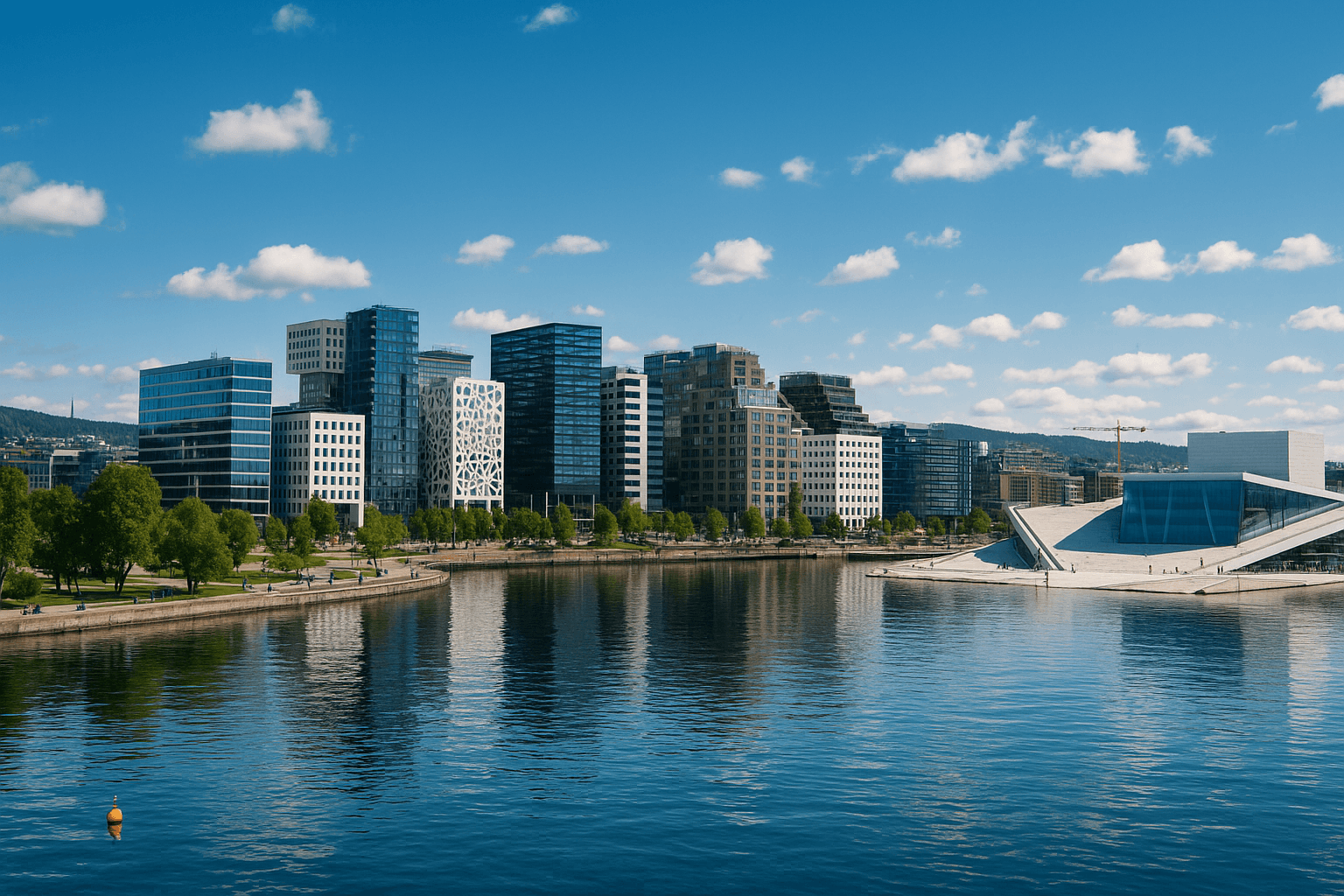
What makes oslo city norway especially appealing is how compact and varied it is. You can walk through the historic core, visit sleek modern neighborhoods, explore major museums, and still have time to sit by the water or head into the forested edges of the city. The contrast is part of the charm: one moment you are looking at bold contemporary buildings, and the next you are standing in front of classical facades, sculptures, or quiet parkland.
Oslo also blends culture and nature in a way that feels very Nordic. It is not a city that overwhelms you with scale. Instead, it invites slower discovery. A first visit usually includes the waterfront, a few major museums, and a neighborhood stroll, but it often leaves travelers surprised by how relaxed and livable the capital feels.
For readers interested in the wider Nordic context, the Nordic Studies Guide: Travel - University of Illinois LibGuides is a useful reference for understanding travel across Scandinavia and the Nordic countries.
Why Oslo is worth visiting in any season
Oslo works in every season because its attractions change with the weather rather than disappearing.
In summer, the city is at its most open and social. Long daylight hours make it easy to linger along the waterfront, take ferries in the fjord, or enjoy outdoor cafés and parks. This is also the best time for slow walks and island-hopping in the fjord.
In autumn, Oslo becomes softer and quieter. The parks and wooded areas around the city turn golden, museum visits feel especially appealing, and the cooler air makes café stops and indoor culture more inviting. It is a good time for those who prefer fewer crowds and a calmer atmosphere.
In winter, Oslo feels distinctly Nordic. Snow, candlelit windows, warm interiors, and festive lights create a cozy backdrop for museum days, saunas, and waterfront walks wrapped up in layers. Shorter daylight hours mean sightseeing needs a bit more planning, but the atmosphere is memorable.
In spring, the city begins to brighten again. Melting snow, longer days, and the return of outdoor life make it a lovely time for parks, neighborhood walks, and relaxed sightseeing.
Daylight and weather do affect your plans, especially in winter when some activities are best done around midday. But that is part of the rhythm in the Nordic region. Oslo is well suited to shorter city breaks because its biggest experiences are concentrated in walkable areas and easy-to-reach districts. You do not need a long stay to feel like you have seen a lot.
How to get around Oslo city Norway
The easiest way to explore central Oslo is on foot. The city center is compact, and many of the main sights are connected by pleasant walking routes. If you are staying centrally, you may find that you can reach museums, restaurants, waterfront paths, and shopping streets without using transport at all.
Public transport is excellent and simple to use. Oslo has:
- Trams for central districts and scenic surface routes
- Metro lines for reaching wider parts of the city quickly
- Buses for neighborhoods and areas not covered by rail
- Ferries for waterfront connections and fjord excursions
This makes norway oslo city very easy to navigate, even for a short stay. If you are visiting in good weather, bicycle routes and waterfront paths are also worth considering. Oslo has become increasingly bike-friendly, and cycling can be a pleasant way to connect parks, piers, and neighborhoods.
A simple orientation helps:
- Central Oslo is where you will find the main stations, shopping streets, and many museums.
- The waterfront stretches through Aker Brygge, Tjuvholmen, and beyond toward the fjord.
- Frogner and western central areas feel residential and elegant.
- Grünerløkka has a more creative, café-rich atmosphere.
- The eastern and northern edges offer more local, everyday city life.
For a general overview of how the region is organized, see our Norge / Norway: A Practical Guide to the Norway Country for First-Time Visitors.
Top things to do in Oslo
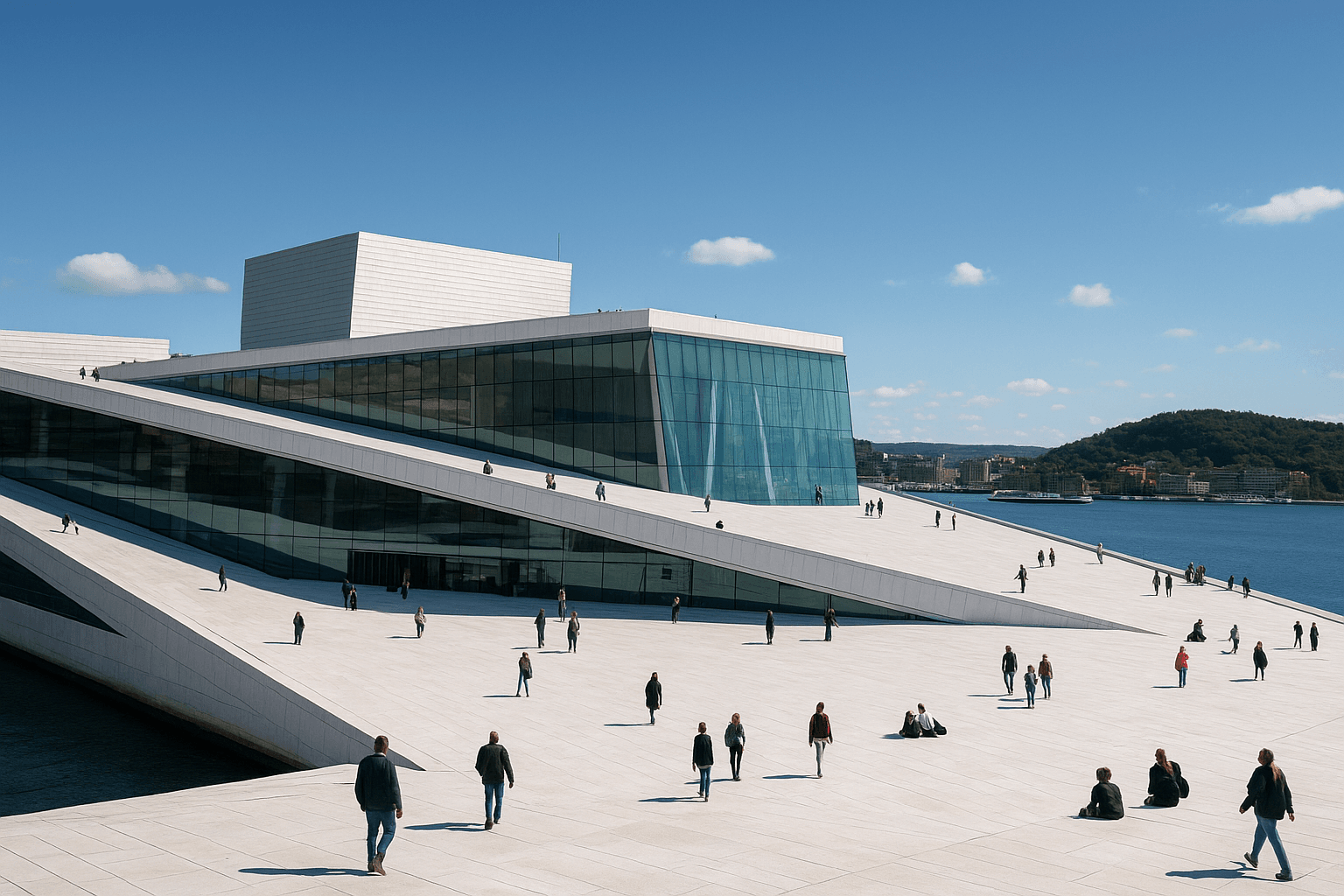
There is no single “must-do” experience in Oslo, but there are several that together create a strong first impression.
Visit the Oslo Opera House and walk on the roof
The Oslo Opera House is one of the city’s most recognizable landmarks, and its sloping roof invites visitors to walk up for views over the fjord and the city. It is a great place to start because it captures Oslo’s combination of architecture, public space, and waterfront setting in one stop.
Explore the waterfront around Aker Brygge and Tjuvholmen
Aker Brygge and Tjuvholmen are ideal for strolling, people-watching, and sitting by the water. These districts mix restaurants, modern buildings, sculpture, and harbor views. Even if you do not plan to spend much money, they are enjoyable areas to wander.
See major museums and cultural attractions
Oslo is one of the Nordic capitals where museums play a major role in the city experience. The National Museum and the MUNCH museum are standouts, especially for art lovers. Visit Norway highlights how the opening of these museums has strengthened Oslo’s position as a cultural destination, and that is easy to understand once you visit. See Oslo – experience the vibrant capital of Norway for official destination inspiration.
If you enjoy design, modern art, or Norwegian cultural history, this is where Oslo becomes especially compelling. The city’s museum landscape is polished but still easy to manage in a day or two.
Include parks, viewpoints, and low-cost experiences
Not everything in Oslo has to be expensive or ticketed. The city has excellent free and low-cost experiences, from sculpture parks to relaxed waterfront walks. Visit Norway’s roundup of Free things to do in Oslo is a useful reminder that some of the best parts of the city are outdoors.
A few good examples:
- Walking through Vigeland Park
- Viewing the harbor from the Opera House roof
- Strolling along the fjord
- Enjoying city viewpoints and parkland
- Taking a simple ferry ride when in season
Balance iconic sights with slower, local-friendly activities
A first trip to Oslo is better when you mix the famous landmarks with ordinary city life. Spend time in a café, browse a neighborhood bookshop, or sit by the harbor without an agenda. Oslo reveals itself best when you do not try to rush through it.
If you want more local insight, Visit Norway’s The locals’ guide to Oslo: top insider tips is a good companion resource.
Neighborhoods and areas worth exploring
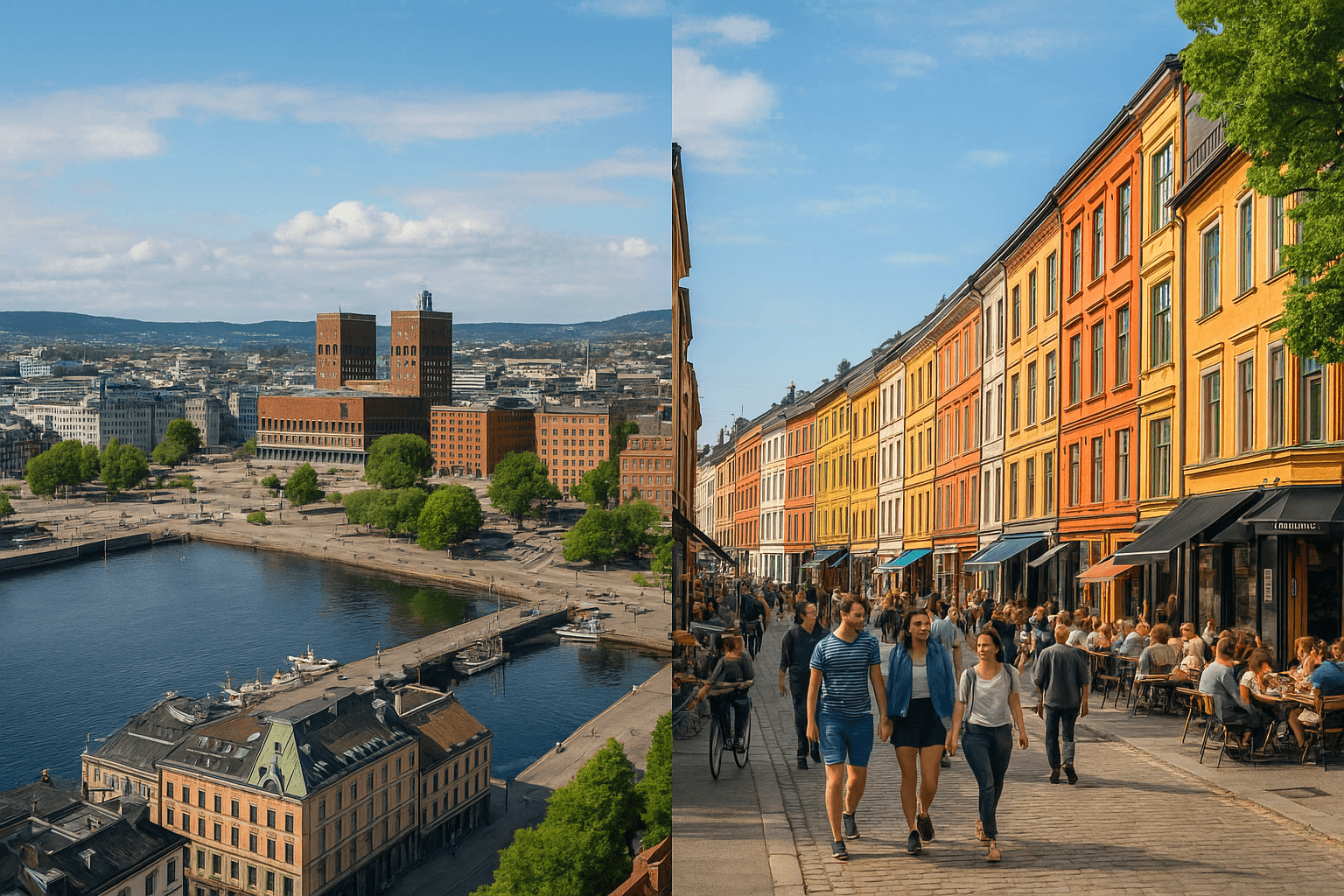
Central Oslo
For first-time visitors, central Oslo is the easiest base. You will be close to transport, major museums, shopping streets, and many restaurants. It is practical, walkable, and good for a short stay.
Historic and modern city center
The city center combines older streets, government buildings, modern developments, and a steady flow of people. It is not a single-style district, which makes it interesting to walk through. You can move from classic urban scenes to more contemporary architecture in only a few blocks.
Frogner
Frogner is one of Oslo’s most elegant areas, known for attractive streets, residential calm, and a polished atmosphere. It is a good area for slower strolling and café stops. If you enjoy neighborhoods that feel more local than touristy, this is a strong choice.
Grünerløkka
Grünerløkka has a creative, youthful energy with independent cafés, vintage shops, bakeries, and a more casual rhythm. It is one of the best areas for wandering without a strict plan.
Waterfront districts
Aker Brygge and Tjuvholmen are especially appealing for dining, sunset walks, and architectural contrast. These districts are lively but also good for relaxed wandering. If you want a scenic base with easy access to the fjord, this part of the city is worth considering.
Where to eat, drink, and experience local life

Oslo’s food scene is a good reflection of everyday Nordic life: straightforward, seasonal, and high quality without being overly complicated. You do not need to overplan meals to enjoy it.
Look for:
- Norwegian seafood
- Open-faced sandwiches
- Soup and simple lunch dishes
- Waffles and pastries
- Cardamom buns, cinnamon buns, and bakery snacks
- Coffee culture in neighborhood cafés
Casual meals and bakeries are often the easiest way to experience local life. Oslo’s café culture is strong, and it is normal to spend unhurried time over coffee. If you are trying to travel smart on a budget, a bakery breakfast or simple lunch can go a long way.
Markets and food halls can also be good places to sample different things without committing to a full restaurant meal. For drinks, the city has a steady bar scene, especially in central districts and Grünerløkka, but the bigger story is often the coffee ritual rather than late-night energy.
The best advice is to keep it flexible. Choose one or two places you want to try, then let the rest of the trip unfold naturally.
Practical planning tips for your Oslo trip
Where to stay
For a first visit, staying central is usually the best choice. You will save time, reduce transport needs, and make the city easier to experience on foot. Waterfront areas are scenic, while central districts are practical and well connected. Grünerløkka can be appealing if you prefer a more local café-and-boutique atmosphere.
How long to stay
Two to three days is enough for a solid first impression, especially if you want to see a mix of museums, waterfront areas, and neighborhoods. If you have more time, you can slow down and explore at a gentler pace.
Tickets and budgeting
Oslo can be expensive, but you can manage costs with a little planning. It helps to:
- Use public transport tickets instead of taxis
- Combine one or two paid attractions with free outdoor time
- Choose casual meals for some parts of the day
- Book accommodation early, especially in summer and around holiday periods
Weather and packing
Pack for changing weather, even in summer. Layers are useful year-round, and winter visits require proper cold-weather clothing. Comfortable walking shoes are essential no matter when you go.
Booking ahead
Book popular hotels and major museum entries ahead when traveling in high season. In summer, the city is lively, and advance planning helps keep the trip smooth.
Respectful travel and sustainability
Oslo is part of a region where sustainability matters. Use public transport, respect quiet neighborhoods, and take care in outdoor spaces. A slower pace is usually the most enjoyable way to travel in Nordic cities anyway.
If your interests extend beyond Oslo and into seasonal northern travel, you may also enjoy our guide to How to Plan a Northern Light Trip in the Nordics: Best Places, Timing, and Practical Tips and Midnight Sun in the Nordics: Where to See It, When to Go, and How to Plan Your Trip.
Frequently asked questions about Oslo
How many days do you need in Oslo?
Two to three days is a good starting point for a first visit.
Is Oslo easy to explore without a car?
Yes, the city is very easy to get around by foot and public transport.
What is Oslo best known for?
Oslo is known for its waterfront, museums, design, and access to nature.
Is Oslo expensive?
Yes, it can be pricey, but you can still travel smart with simple meals and free outdoor sights.
What is the best season to visit Oslo?
Summer is popular for long days, but Oslo is rewarding in every season.
Final thoughts
Oslo is not a city that tries to impress you all at once. Instead, it reveals its strengths gradually: a fjord-side setting, a compact center, strong museums, elegant neighborhoods, and plenty of opportunities to slow down. For travelers exploring the Nordic countries, it is one of the most rewarding capitals to experience at an easy pace.
If you are planning your first norway oslo city trip, aim for a balance of key sights and everyday moments. Walk the waterfront, visit a museum or two, spend time in a café, and leave room for simple wandering. That is often the best way to enjoy Oslo.