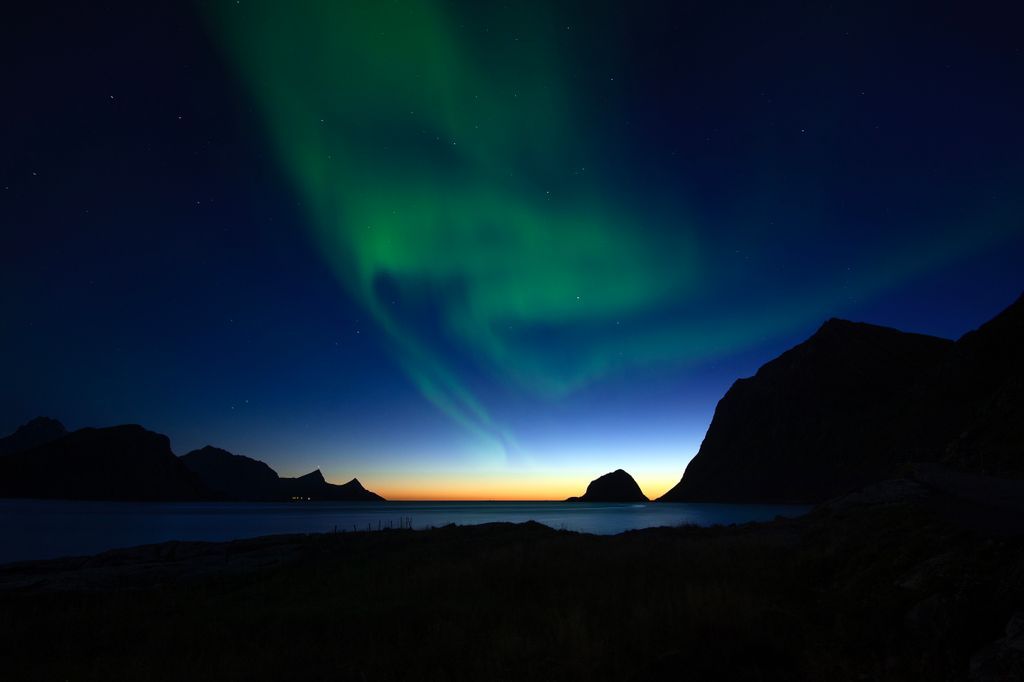
If you want to experience the midnight and sun phenomenon at its best, the key is simple: go north, go in summer, and be flexible with weather. In the Nordic countries, the midnight sun is not just a travel gimmick. It changes how you plan your days, when you sleep, and even how landscapes feel at 11 p.m.
The strongest experience depends on latitude, timing, and cloud cover. Norway’s Arctic coast, Finnish Lapland, Swedish Lapland, and Iceland’s far north all offer different versions of endless daylight. The farther north you travel, the longer the season lasts. But even within the same country, one town may have true 24-hour sun while another nearby area only gets bright nights.
This guide explains what the midnight sun is, where to see it in the Nordics, when to go, and how to plan a trip that feels practical instead of exhausting.
What the midnight sun is, in plain terms
The midnight sun is a summer phenomenon in which the sun stays above the horizon for 24 hours or more in places north of the Arctic Circle. It happens because Earth is tilted on its axis. As the planet moves around the sun, the northernmost parts of the Earth lean toward the sun during summer, which means the sun does not dip below the horizon for days, weeks, or even longer in the far north.
That is the technical version. The traveler version is more useful: you can stand outside at midnight and still need sunglasses.
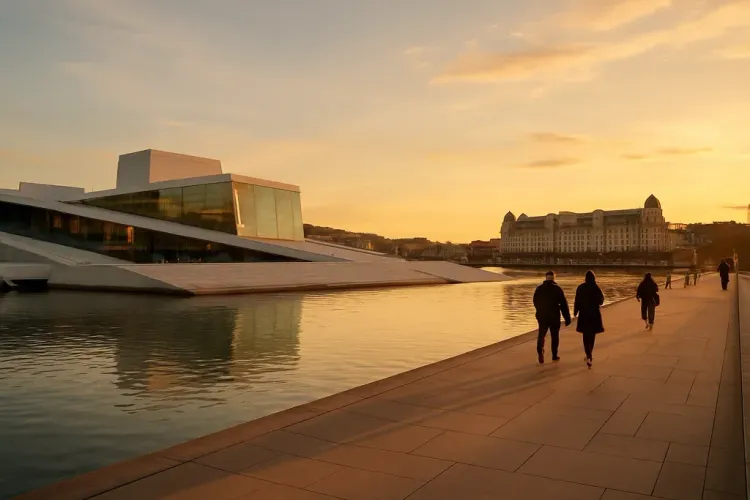
This is not the same as a normal long summer day in southern Scandinavia. In Oslo, Stockholm, or Helsinki, summer evenings are bright, but the sun still sets. In the far north, the night can disappear completely. Even when the sun is technically below the horizon in lower-latitude locations, the sky often stays pale and glowing well into the night.
What should you expect?
- Bright nights that feel like late afternoon
- Soft golden light for long stretches
- Changing sky moods that shift from blue to pink to silver
- Restless energy because your body never gets the usual dark cue to stop
For a broader overview of the Nordic region before you plan your route, this Nordic travel guide is a useful starting point.
Where to see the midnight sun in the Nordics
Norway
Norway is the best-known country for midnight sun travel, and for good reason. Its coastline stretches far into the Arctic, which gives you several strong options.
Tromsø is the easiest name to recognize, but it is not the northernmost option. Still, it is one of the most practical bases because it combines flights, hotels, restaurants, and easy access to fjords and mountains. You get a city stay without sacrificing Arctic scenery.
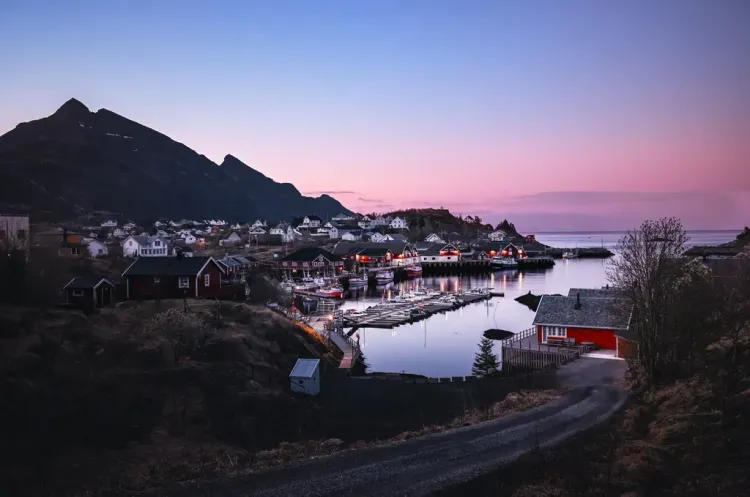
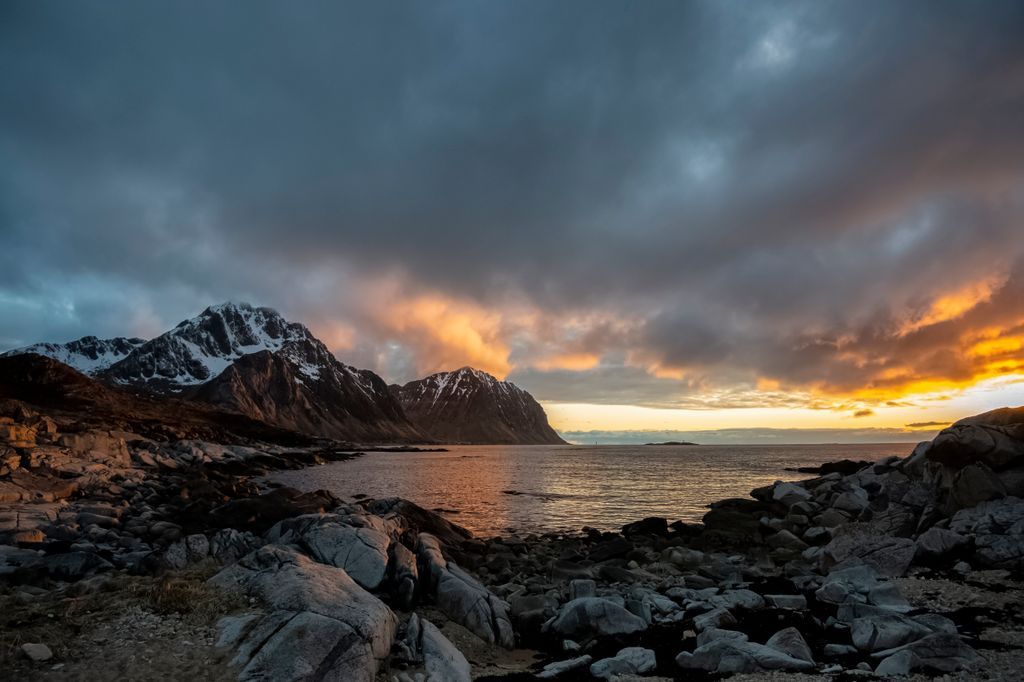
Lofoten is ideal if you want the midnight sun over dramatic peaks, fishing villages, and sea-level roads. The summer light here is striking: mountains glow for hours, and you can hike late without feeling rushed. It is a strong pick for photographers and self-drive travelers.
Vesterålen is quieter than Lofoten and often overlooked. If you want fewer crowds and a slower pace, it is an excellent alternative. The landscape is still coastal and rugged, but the travel rhythm feels less busy.
The North Cape gives you the classic “far north” feeling. This is one of the most symbolic places to watch endless summer daylight because you really feel the edge-of-the-world setting.
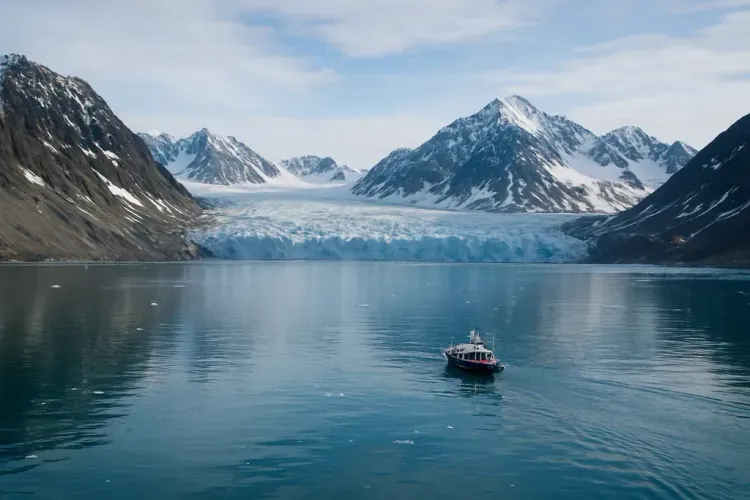
Svalbard is the extreme option. Here, the midnight sun season is much longer than on the mainland. If you want the longest possible daylight period in the Nordics, this is the place to look at. It is also the most logistically specialized, so it suits travelers who want a true Arctic trip.
If you are deciding how to build a Norway itinerary around the midnight sun, this practical Norway guide can help you connect the dots.
Finland
Finland’s midnight sun experience is centered in Lapland, where long summer days and calm lakes create a very different mood from Norway’s fjords.
Rovaniemi sits on the Arctic Circle and is the most common gateway into Lapland. It is convenient, well connected, and easy to use as a base if you want a short trip.
Levi offers a better balance if you want active days and a resort-style base with outdoor access. It is a practical choice for hiking, cycling, and summer cabin stays.
Inari is one of the strongest options for a quieter, more remote experience. It is especially good if you want lakes, Sámi culture, and a sense of open wilderness.
Utsjoki is one of the northernmost municipalities in Finland and gives you a longer midnight sun season than more southerly Lapland towns. If your goal is maximum daylight rather than city access, this is a strong choice.
In Finland, the experience often feels softer than in Norway. Instead of dramatic sea cliffs, you get still water, pine forest, and a calm glow that lasts all night.
Sweden
Sweden’s best midnight sun territory is Swedish Lapland, north of the Arctic Circle. It is less famous than Norway’s coast, but it is excellent if you want forests, rivers, and a more land-based Arctic trip.
Good bases and stopovers include:
- Kiruna
- Jokkmokk
- Abisko
- Wilderness areas around the far north
Kiruna works well for logistics and access. Jokkmokk is useful if you want culture and nature together. Abisko is often chosen for mountain scenery and hiking, especially for travelers who want to spend long evenings outdoors.
Sweden is a strong option if you want to combine the midnight sun with road trips, cabins, and hiking rather than fjord cruising. It also fits travelers who want a slower, less coastal version of the Arctic summer.
Iceland
Iceland is different from the mainland Nordics, but it still offers strong summer daylight, especially in the north.
In the far north, the sun can stay up around the solstice, and in many areas it barely sets. Even when there is a short dip below the horizon, the sky remains bright for a long time.
Best northern Iceland bases include:
- Akureyri
- Húsavík
- Siglufjörður
- The wider North Iceland region
Iceland is a good choice if you want a packed summer route with waterfalls, geothermal stops, coastlines, and road-trip freedom. The light is excellent for long driving days, and the late-night glow can make even simple detours feel special.
Can you see the midnight sun in Iceland? Yes, especially in the far north and around the summer solstice, though the experience is different from deeper Arctic areas in Norway or Lapland.
Best time to go

The best window for the midnight sun is usually late May through late July, with the strongest effect around the June solstice.
Here is the basic timing pattern:
- Norway: strong midnight sun in the far north from late May to mid-July, depending on location
- Finland: best in northern Lapland from late May through July
- Sweden: similar to Finland in Swedish Lapland
- Iceland: strongest around the solstice, especially in the north
How far north do you need to go?
- For the full midnight sun, you need to be north of the Arctic Circle
- For very bright nights, you can go a bit farther south and still get a vivid summer-light experience
- For the longest season, head to Svalbard or far northern Lapland
Weather matters, too. Clear skies give you the classic experience. But cloud cover, sea fog, and coastal haze can soften the light or hide the sun completely. That does not ruin the trip, but it changes the feel. In coastal Norway, a sunny midnight above the fjords looks completely different from a misty midnight with low cloud over the water.
If you can, match your dates with things that work well in endless daylight:
- Long hikes
- Road trips
- Boat excursions
- Summer festivals
- Cabin stays by a lake or fjord
That way, even if the weather shifts, your itinerary still makes sense.
How to plan a midnight sun trip
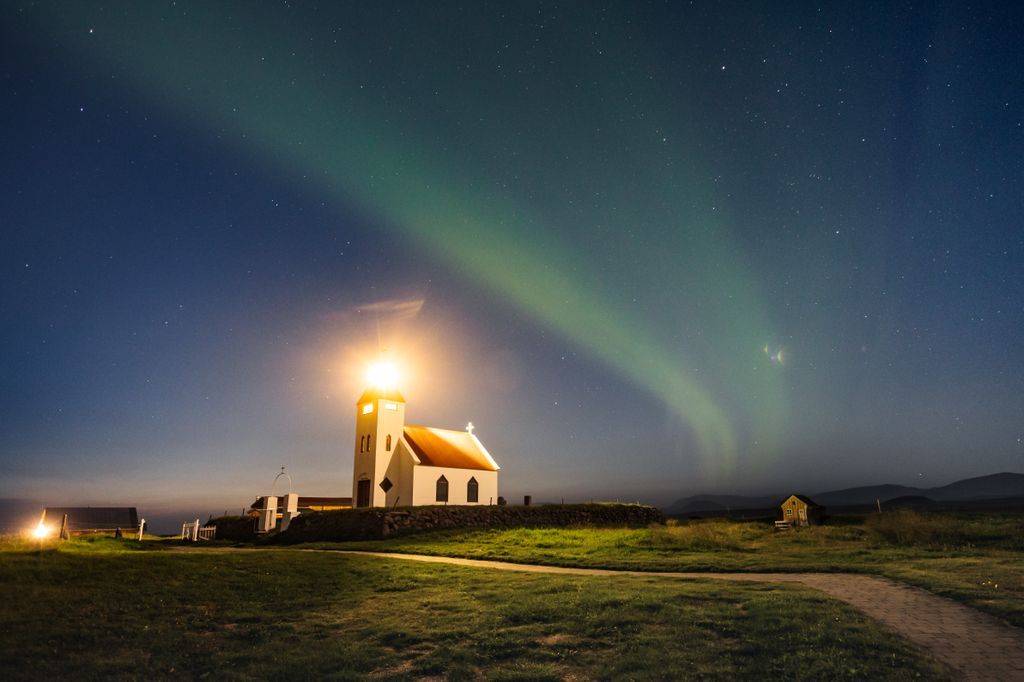
The most important planning choice is your base type: city, coastal route, or wilderness lodge.
1) Choose your style
City base: Best if you want restaurants, easy transport, and flexible day trips. Tromsø, Rovaniemi, and Akureyri are useful for this.
Coastal road trip: Best for Norway and Iceland, where driving gives you access to viewpoints, fjords, beaches, and small villages.
Wilderness lodge or cabin: Best for Lapland and remote parts of Sweden or Finland, especially if you want quiet evenings and direct access to nature.
2) Sort out transport early
Transport in the Nordic countries is reliable, but the far north is still remote.
- In Norway, ferries and mountain roads can shape your route
- In Finland, trains and flights can work well before switching to a rental car
- In Sweden, a car is often the most flexible option in Lapland
- In Iceland, a self-drive plan is usually the easiest way to see multiple stops
Book early if your trip includes:
- Rental cars
- Ferries
- Regional flights
- Guided tours
- Remote accommodation
3) Book the right kind of accommodation
In midnight sun season, not every hotel room is equally useful. Look for:
- Blackout curtains
- Quiet surroundings
- Kitchen access
- Parking if you are driving
- Late check-in options
A cabin can be better than a fancy hotel if you need sleep, space, and flexibility.
4) Balance daylight with rest
A common mistake is trying to use every bright hour. That works for one day and then catches up with you.
A better rhythm is:
- Morning: breakfast, short drive, or sightseeing
- Afternoon: long hike, boat trip, or museum stop
- Evening: slower dinner, sauna, lakeside walk, or photo session
- Night: sleep, even if it still looks like sunset outside
This is especially important for families and solo travelers. If everyone is overtired, the trip becomes more tiring than memorable.
What to pack and how to handle sleep
Even with endless daylight, summer in the north can still feel cool.
Pack:
- Lightweight layers
- A warm fleece or sweater
- Rain jacket
- Water-resistant shoes or boots
- Eye mask
- Portable charger
- Thermos for coffee or tea
- Swimwear if your itinerary includes saunas, lakes, or hot springs
For sleep, do not rely on “I’m tired enough to fall asleep anywhere.” The light can make that harder than expected.
Useful habits:
- Use a sleep mask
- Choose places with blackout curtains
- Keep your bedtime routine consistent
- Avoid too much late caffeine
- Close curtains early, even if the sky is still bright
Outdoor conditions matter too. Long evening walks and hikes can expose you to cool wind, rain, and damp ground, especially near water. Good footwear matters more than people expect.
Photography tips for the midnight sun
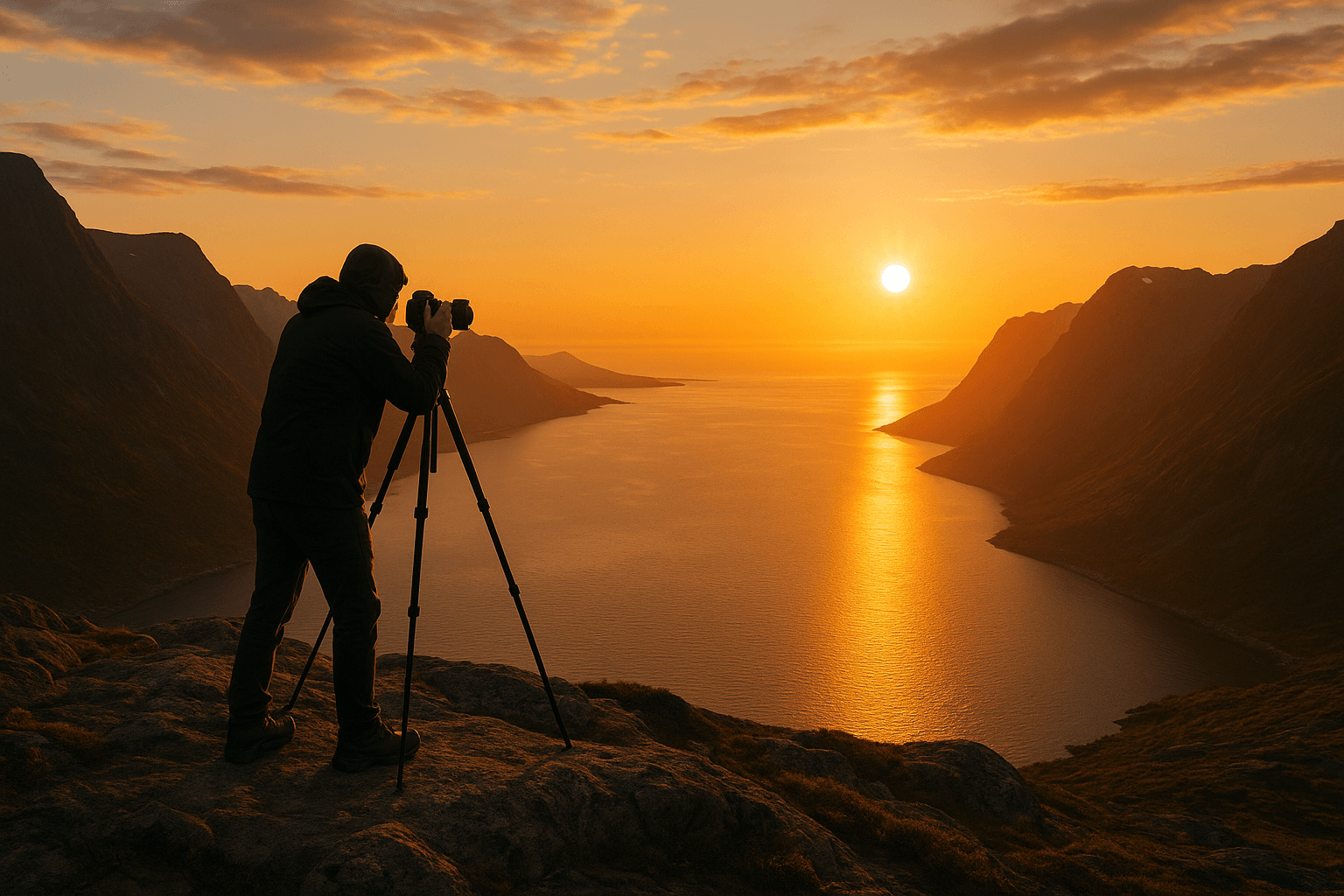
The midnight sun is ideal for photography because the light is low, soft, and long-lasting. But that same light can also trick your camera.
Best camera settings
- Use a lower ISO when possible
- Keep shutter speed steady if you are shooting handheld
- Adjust exposure to avoid blown highlights
- Use a tripod for long evening shots
White balance
Try to keep colors natural. The light can become very warm, and it is easy to overdo the orange tones. A neutral white balance often works better than heavy filters.
Look for strong foregrounds
The best images often include something to anchor the frame:
- Fjords
- Boats
- Mountains
- Reindeer
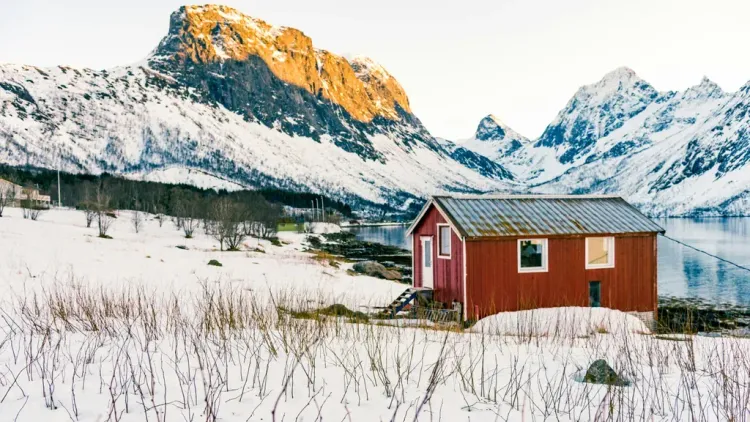
- Wooden cabins
- Arctic coastlines
- Lake reflections
Watch for overexposure
When the sun hovers near the horizon, cameras can brighten the scene too much. Check your histogram or reduce exposure compensation if the sky is washing out.
Phone photography
If you are traveling light, your phone is enough. Try:
- Tapping to lock exposure
- Shooting in burst mode
- Cleaning the lens often
- Holding the camera steady for a few seconds
- Using the horizon line as a simple composition guide
The best midnight sun photos usually come from patience, not gear.
Final thoughts
The midnight sun is one of the most memorable summer experiences in the Nordics because it changes both the landscape and your sense of time. Norway gives you the most famous settings, Finland and Sweden offer calmer Lapland alternatives, and Iceland adds its own bright northern version of the phenomenon. The right trip depends on how far north you want to go, how much daylight you want, and whether you prefer fjords, forests, lakes, or road-trip scenery.
Plan for late May to late July, book early, and respect the fact that bright nights can be more exhausting than they look. If you do that, the midnight sun becomes less of a novelty and more of a trip rhythm you will remember long after summer ends.
FAQ
What is the midnight sun?
It is a summer phenomenon in which the sun stays above the horizon for 24 hours or more in areas north of the Arctic Circle.
Which Nordic country is best for seeing the midnight sun?
Norway is the most famous option, but Finland, Sweden, and Iceland also offer strong midnight sun experiences in their northern regions.
When is the best time to see it?
Late May through late July is usually the best window, with the strongest effect around the June solstice.
Do you need to go very far north?
Yes. The farther north you go, the longer the midnight sun season lasts, with the longest periods in places like Svalbard and far northern Lapland.
Can you see the midnight sun in Iceland?
Yes, especially in the far north and around the summer solstice, though the experience is different from the deeper Arctic areas of Norway or Lapland.
Is it hard to sleep during midnight sun season?
It can be, so a sleep mask, blackout curtains, and a steady bedtime routine help a lot.