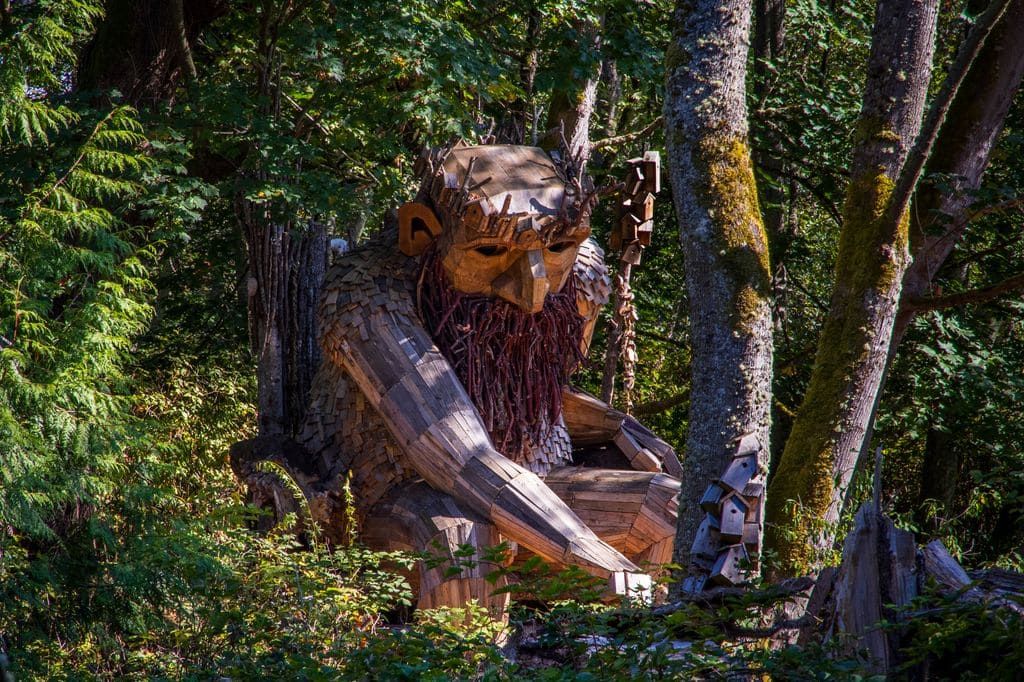
Trolls are one of the most enduring figures in Nordic folklore. They appear in stories told across Norway, Sweden, Denmark, Finland, Iceland, and Lapland, usually as wild, secretive beings tied to mountains, forests, caves, and remote places. If you are interested in the characteristics of trolls, the short version is this: they are often described as large, ugly, strong, and unpredictable, with a deep connection to nature and a strong dislike of human order.
That simple summary hides a lot of regional variety. In some tales, trolls are clumsy and easily tricked. In others, they are dangerous, cunning, and even terrifying. Some stories use them to explain strange rocks and cliffs. Others turn them into comic figures that children can laugh at. But across the Nordics, the core image stays similar: trolls belong to the wild edge of the world, not to villages, churches, or farms.
If you are planning a cultural trip in the Nordic region, troll lore is a good thread to follow. It connects landscape, storytelling, and local identity in a way that still feels alive today. For broader trip planning in Norway, you may also find this useful: Norge / Norway: A Practical Guide to the Norway Country for First-Time Visitors. For seasonal context, see Midnight Sun in the Nordics: Where to See It, When to Go, and How to Plan Your Trip.
Quick answer: what are the main characteristics of trolls?
Trolls are among the best-known beings in Nordic folklore, and they are usually described in a fairly consistent way:
- They are large, ugly, and physically imposing
- They are often tied to wilderness, mountains, forests, caves, and isolated places
- Their behavior ranges from slow and dim-witted to dangerous and cunning
- Many stories connect them with darkness, isolation, and hostility to humans
- Different Nordic regions emphasize different details, but the core traits stay similar
In other words, trolls are not just random monsters. They are folklore creatures shaped by the Nordic landscape itself: dark valleys, long winters, deep woods, and dramatic rock formations all helped make them believable in old village storytelling.
The classic troll is not a polished, fairy-tale character. It is a creature of the margins.
Where troll legends come from in the Nordic countries
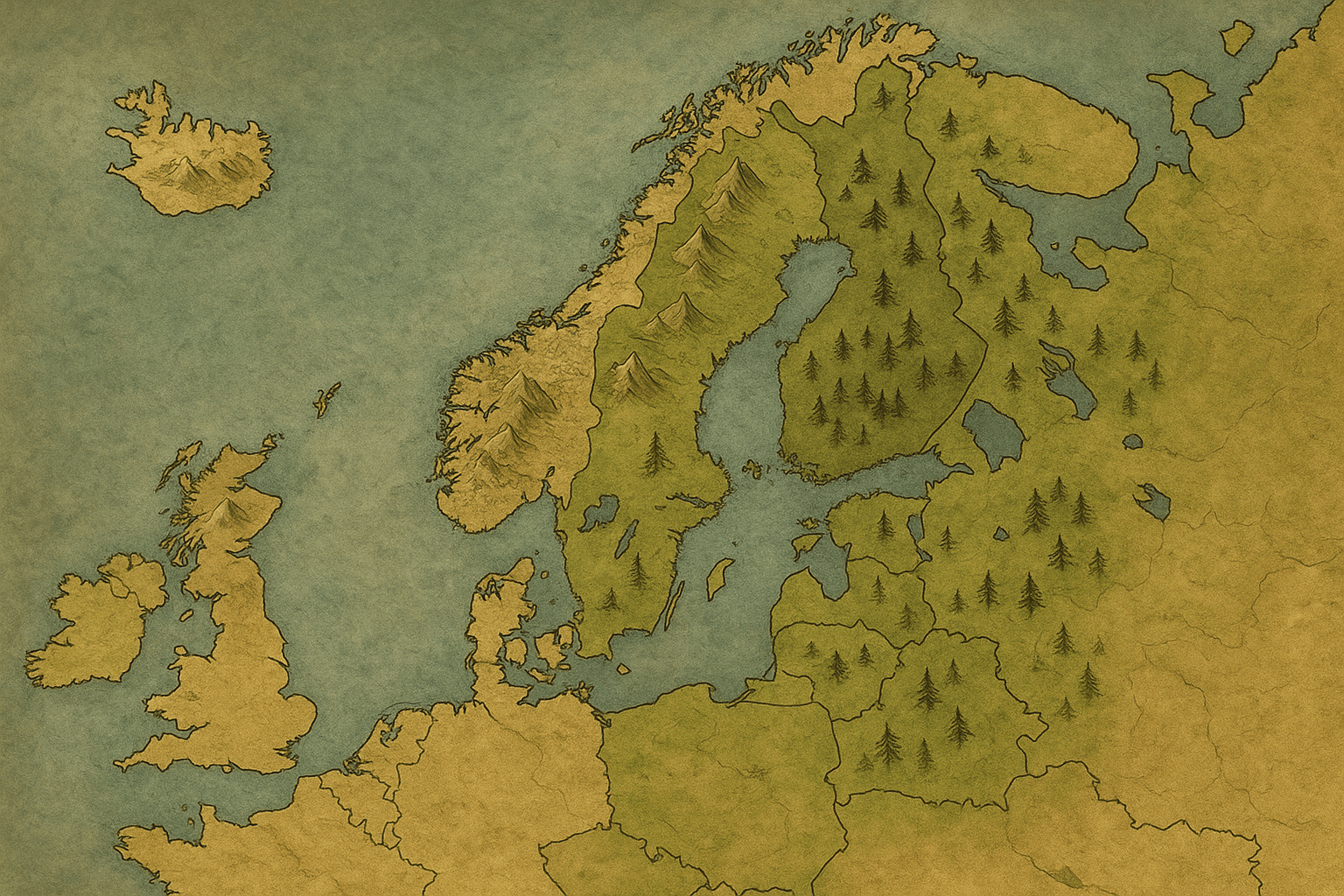
Troll traditions appear in Norway, Sweden, Denmark, Finland, Iceland, and Lapland, though the details differ from place to place. In oral storytelling, every village could have its own version of a troll, but the setting usually mattered as much as the creature itself.
In farming communities, trolls were part of the explanation for things people could not easily understand. Strange noises in the hills, an oddly shaped boulder, or a dangerous stretch of road could all become linked to troll stories. The landscape was not just a backdrop; it was part of the legend.
In Norway, troll stories are especially strong in dramatic mountain and fjord settings. That is one reason troll imagery is so closely associated with Norwegian travel culture today.
In Sweden, trolls often appear in forests and remote countryside settings, where old folktales preserved a sense of hidden danger just beyond the farm.
In Denmark, troll traditions are less dominant in the modern tourism image, but they still belong to the broader Nordic folklore world and appear in old stories and regional memory.
In Iceland, troll legends often overlap with giant-like beings and stone legends. Icelandic landscapes made these stories especially vivid: cliffs, lava fields, and coastal formations invite explanations that feel half-mythic and half-geological.
In Finland and Lapland, troll-like figures may appear alongside other nature beings and cautionary tales. The folklore there is broader and often blends with forest spirits, strange beings, and the sense that the natural world is full of unseen presences.
For a wider travel context on the region, this guide to Nordic countries travel guide: best places to visit can help, but troll lore is best understood in relation to local landscapes rather than as a single shared myth.
Physical appearance: how trolls are usually described
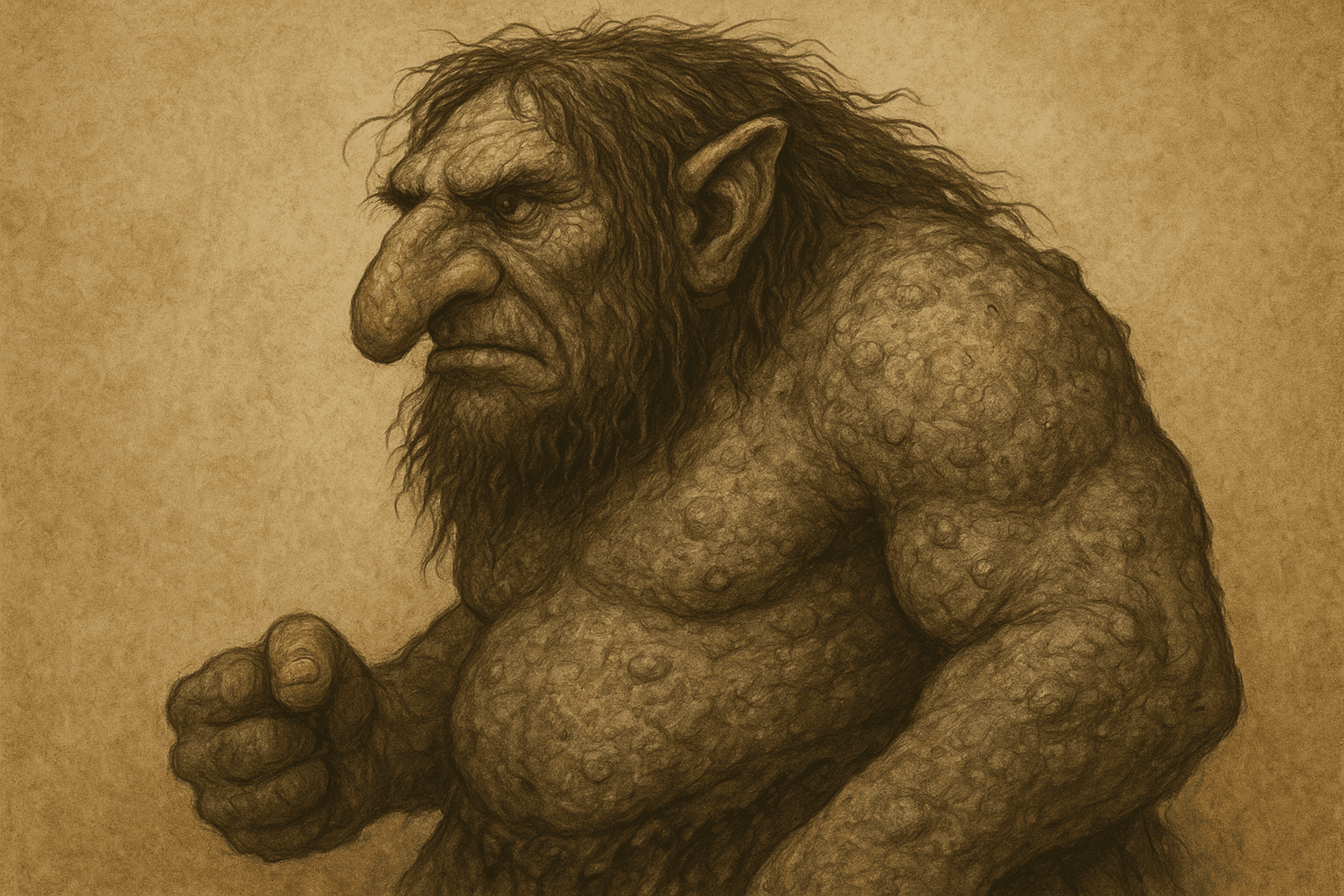
When people ask what trolls look like, folklore gives several recurring answers.
Common descriptions include:
- Oversized bodies
- Crooked or hunched posture
- Rough, shaggy features
- Thick hair or wild fur
- Long noses
- Stone-like, mossy, or dirty skin
In some stories, trolls are simply exaggerated human figures, as if nature had twisted a person into something older and rougher. In others, they are more monstrous: one or more heads, a tail, giant limbs, or a body so large it seems to belong to the mountain itself.
Size is not fixed. A troll can be:
- Human-sized
- House-sized
- Mountain-sized
That flexibility is part of what makes trolls so effective in folklore. A story could shrink or enlarge the creature depending on the lesson it needed to tell. A small troll could be sneaky and mischievous. A huge troll could explain a cliff, a boulder, or a rock wall in the landscape.
Their appearance often signals their place in the world. Trolls are usually not clean, civilized, or refined. They look like they have lived too long in caves, shadows, and wet stone. They belong to age, wilderness, and neglect.
Temperament and behavior: what trolls are like
The characteristics of trolls are not only physical. Their behavior is just as important.
Many trolls are solitary and avoid daylight and busy human places. They live outside the normal rhythm of farm life, church life, and village life. That makes them seem suspicious from the human point of view. If you were living in a small Nordic settlement centuries ago, a creature that preferred empty valleys and dark woods would already feel threatening.
Their personalities vary a lot in the stories:
- Some are stupid and easy to trick
- Some are clever and malicious
- Some are greedy
- Some are prankish
- Some are violent
- Some are simply unpredictable
That unpredictability is one of the most important troll traits. A troll may ignore humans one moment and attack the next. It may guard treasure, steal livestock, kidnap a person, or demand a toll at a bridge. It may also become the butt of a joke, especially in stories where human wit outsmarts brute strength.
Trolls often dislike:
- Church bells
- Christian symbols
- Human noise
- Settlement and light
Older stories often use these details to show a clash between the wild and the settled, or between old beliefs and Christian order. Even when the stories are playful, the structure is the same: trolls sit outside human community.
A good example of this storytelling style can be found in the way Norwegian troll lore is presented in modern culture and tourism, including this overview from Visit Norway: Trolls – the mythical Norwegian creatures.
Strengths and weaknesses in Nordic folklore
Trolls are commonly described as physically strong and resistant. In older stories, they are the sort of beings that can lift stones, smash obstacles, and dominate people through force. That is why they often seem like a danger just beyond the edge of a road or village.
But they also have weaknesses.
Sunlight
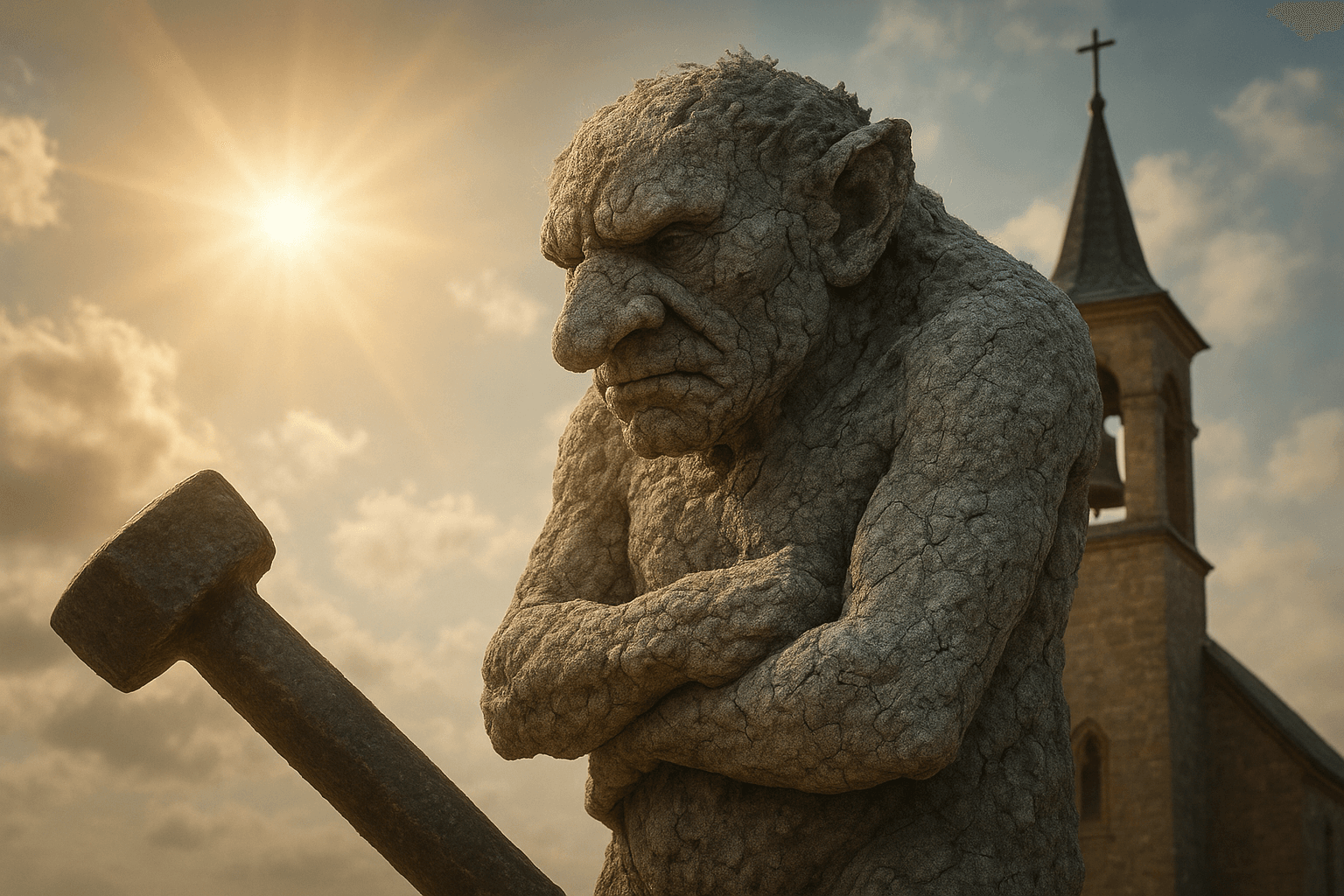
One of the best-known troll legends says that sunlight turns trolls to stone. This is one of the most memorable features of troll folklore because it explains why odd-shaped rocks and cliff formations are scattered across Nordic landscapes.
The idea is not just a monster rule. It is also a storytelling device. A boulder with an unusual shape suddenly becomes a troll caught at dawn. The landscape becomes a frozen story.
Iron and steel
Some traditions say trolls are repelled or harmed by iron or steel. That reflects the old symbolic power of metal, protection, and human craftsmanship.
Church bells
In several stories, church bells drive trolls away. The sound is more than noise; it symbolizes community, faith, and the reach of human order into wild places.
These weaknesses often reflect human values: light, community, and faith. Troll stories turn that into drama. The wild world is strong, but it cannot fully resist the structured world of humans.
Types of trolls: from mountain trolls to bridge trolls
Different Nordic traditions describe different kinds of trolls.
Mountain trolls
These are the most iconic. They live in cliffs, caves, and remote high places. Mountain trolls fit especially well in Norway’s steep terrain and Iceland’s rocky landscapes.
Forest trolls
Linked to deep woods and hidden paths, forest trolls are common in Swedish and Finnish-style folklore settings. They represent the danger of getting lost, wandering too far, or ignoring boundaries.
Bridge trolls
Bridge trolls are the most story-friendly. They guard crossings, demand tolls, ask riddles, or threaten travelers. They work well because bridges are natural liminal spaces: neither here nor there, but in between.
Cave and hill trolls
Common in western Nordic folktales, these trolls belong to enclosed, shadowy places. Their homes are hidden but not far away, which makes them perfect for stories about what might be living just under the surface of ordinary life.
In some regional traditions, trolls blur into giants, ogres, or other land spirits. That overlap is normal in folklore. Categories are less important than atmosphere: wild, old, powerful, and not human.
Trolls in Nordic culture today
Trolls are still everywhere in Nordic culture, even if most people no longer believe in them literally.
You will see troll imagery in:
- Road signs
- Souvenirs
- Children’s books
- Tourism branding
- Local festivals
- Place-based storytelling
Norway especially uses troll imagery as part of its scenic identity. Trolls appear in route names, mountain stories, and popular attractions. They have become a shorthand for dramatic nature, remote roads, and old folklore.
Modern retellings also soften trolls. They may be friendly, comic, or magical instead of frightening. That change does not erase the old stories. It shows how folklore adapts. What was once a warning about the wilderness becomes a symbol of cultural heritage.
Place names and landmarks keep the legends alive too. A hill, pass, or roadside formation may carry a troll-related name long after the original story has faded. In that way, trolls remain part of the Nordic map, not just the mythic one.
Where to explore troll lore in the Nordics

If you want to follow troll stories today, the best approach is to combine folklore with real landscapes.
Norway
Norway offers the strongest public association with troll stories and landscapes. Look for:
- Folklore museums
- Scenic mountain roads
- Visitor centers that explain local legends
- Roadside viewpoints with troll-themed names
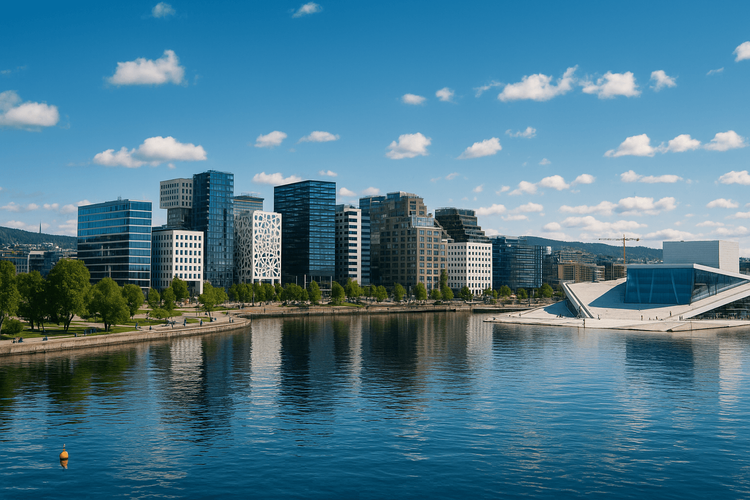
Norwegian troll country pairs naturally with fjords, steep passes, and long scenic drives. If you are planning a stop in the capital before heading out, this guide may help: Oslo, Norway: The Practical Guide to Norway’s Capital for First-Time Visitors.
Sweden
Sweden preserves troll lore in forests, folklore collections, and regional tales. The best experiences are often quiet: a village museum, a forest trail, or a local story panel at a heritage site.
Iceland
Iceland has stone-troll legends linked to cliffs, coastlines, and volcanic scenery. The landscape itself often does the storytelling for you.
Finland and Lapland
Finland and Lapland include nature spirits and troll-like figures in broader folklore contexts. Here, the best places are often cultural museums, Sámi heritage centers, and rural landscapes where oral tradition still matters.
Practical travel tips for following troll stories respectfully
If you want to explore troll folklore as a traveler, keep it grounded and respectful.
Use local museums and visitor centers
This is the easiest way to learn region-specific versions of the legends. Folklore changes from place to place, so a local explanation is worth more than a generic summary.
Combine folklore stops with real travel plans
Do not treat troll lore as a separate theme park. Pair it with:
- A hike
- A scenic drive
- A village visit
- A museum stop
- A quiet viewpoint
Read the signs carefully
Many Nordic rock formations have a named story attached to them. Small roadside plaques can be surprisingly informative.
Keep expectations realistic
The value here is cultural, not fantasy spectacle. You are following story geography, not entering a movie set.
Respect protected landscapes
Do not leave marked paths, climb restricted formations, or treat sacred or heritage sites as props. Troll stories live best when the land itself is still protected.
FAQ: the most common questions about troll characteristics
What are the most common characteristics of trolls?
Trolls are usually described as large, ugly, secretive beings tied to mountains, forests, caves, or remote places. They are often strong, fear daylight, and behave unpredictably.
Do all Nordic countries have troll legends?
Yes, troll-like beings appear across the Nordics, though Norway is the most strongly associated with trolls. Sweden, Denmark, Finland, Iceland, and Lapland also preserve related traditions.
Why do trolls turn to stone in some stories?
Many legends say sunlight turns trolls into stone. This idea likely helped explain unusual rock formations and gave folklore a memorable warning about staying out after dark.
Are trolls always evil?
Not always. Some stories portray them as dangerous or cruel, while others make them foolish, shy, or simply part of the wild world outside human control.
Where can travelers learn more about troll folklore?
The best places are local museums, visitor centers, folklore collections, and scenic areas in Norway, Sweden, Iceland, Finland, and Lapland where legends are tied to real landmarks.
Final thoughts
The characteristics of trolls make them one of the most distinctive figures in Nordic folklore because they are so closely tied to place. Their size, shape, behavior, and weaknesses all reflect the landscapes of the Nordics: dark forests, steep mountains, rocky coasts, hidden valleys, and long stretches of isolation.
That is why troll stories still matter. They are not just old tales about ugly creatures. They are a way of reading the Nordic landscape—one cliff, one forest path, one stone at a time.
If you travel through Norway, Sweden, Iceland, Finland, or Lapland with troll lore in mind, the region starts to feel different. Rocks become characters. Mountains become warnings. And quiet roads feel a little less empty.