Introduction: why this choice matters on a Nordic winter trip
When you book a winter stay in Finland, Norway, Sweden, Iceland, or Denmark, the most memorable part of the trip is often not just the landscape—it is how you warm up after it. That is why the private sauna vs hot tub decision matters so much for Nordic travel. Both are popular in distinctive stays across the region, but they create very different experiences.
A private sauna is about heat, ritual, and quick recovery. A hot tub is about lingering, soaking, and taking in the snowy surroundings at an unhurried pace. On a winter trip, that difference shapes the mood of your entire stay: whether you want a traditional wellness moment after skiing or a scenic soak under falling snow.
For travelers planning a unique Nordic escape, the best option depends on the kind of warmth you want, how active your days will be, and whether your goal is comfort, romance, authenticity, or views. If you are building a Finland-focused itinerary, a sauna-first stay may feel like the obvious choice. If you are dreaming of a long evening soak at a cabin with a dramatic view, a hot tub may win out.
What a private sauna feels like on a winter stay
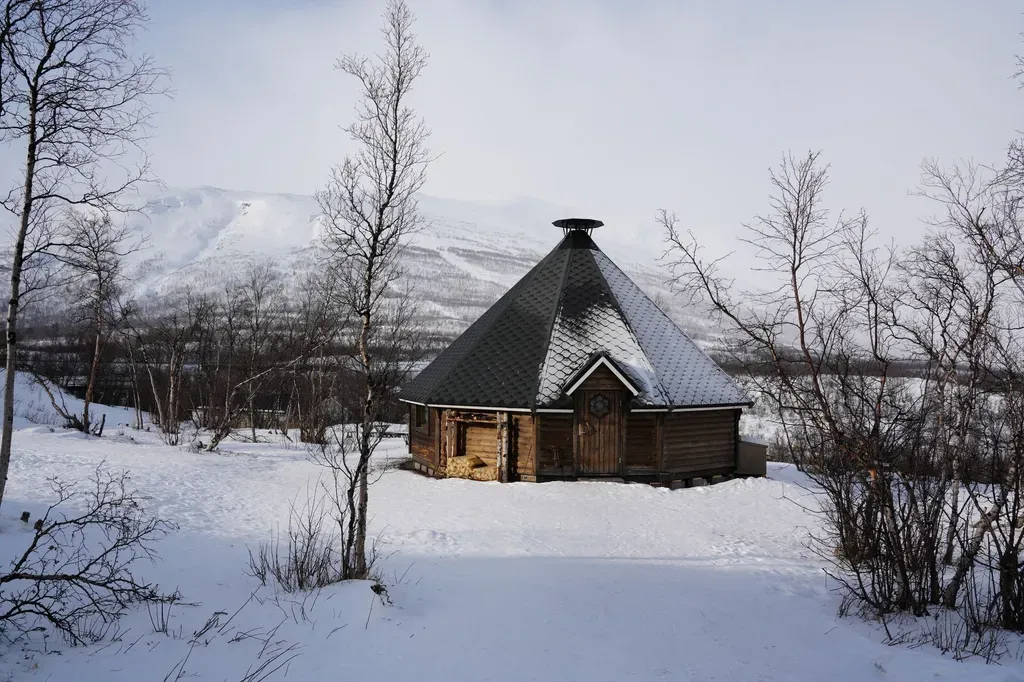
A private sauna in winter feels immediate, simple, and deeply local. You step in from the cold—boots, snow, wind, and all—and the heat wraps around you almost instantly. After a day of cross-country skiing, snowshoeing, road-tripping, or Northern Lights hunting, that first burst of warmth can feel like the whole reason you came.
This is especially true in Finland, where sauna culture is woven into everyday life and travel. If you want to understand the tradition more deeply, Frosty Lands has a helpful Finnish Sauna Guide: Where to Go, What to Expect, and How to Do It Right, which explains the ritual side of the experience.
A private sauna is also a strong fit for distinctive winter stays. Whether it is a cabin, glass-front lodge, or forest retreat, the sauna gives the stay a sense of place. It is not just an amenity; it is part of the Nordic rhythm. If you are browsing unique stays in Finland, properties like AHTI — Unique Stay in Sappee, ORAVANPESÄ, AINO, or HIPRAKKA A CABIN — Unique Stay in Levi can make the sauna feel like an essential part of the trip rather than a bonus.
For many travelers, the biggest appeal is privacy. A private sauna is low-effort wellness: no crowded spa, no extra logistics, and no need to spend an hour settling into a long soak. You warm up, rest, cool down, and repeat.
What a hot tub feels like in snow and cold
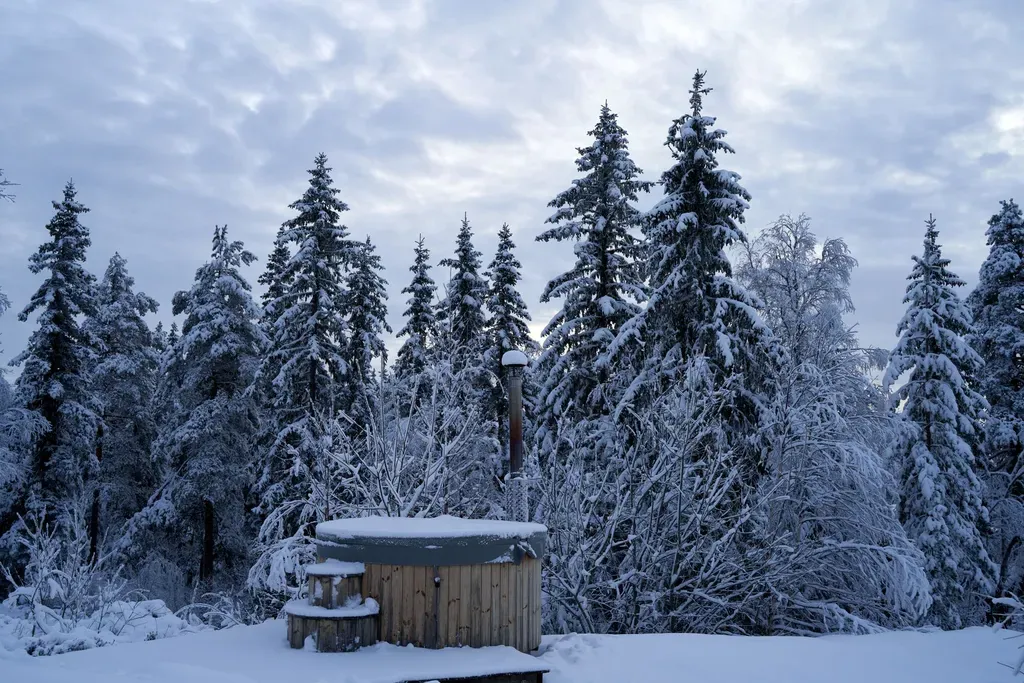
A hot tub in winter is a different kind of pleasure. Instead of dry heat and quick recovery, you get warm water, steam, and the sensation of floating in the cold air. When snow is falling or the sky is clear and dark, the contrast can feel almost cinematic.
A hot tub is usually the more lingering experience. You settle in, stay awhile, and let the scenery do the work. In a cabin setting, especially in Norway or Sweden, that can be incredibly appealing. You are not rushing through a wellness ritual; you are extending the evening.
Hot tubs are also very photo-worthy, which matters for some travelers. A steaming tub beside a timber cabin, surrounded by snowy trees or open wilderness, can feel like the visual centerpiece of the stay. In Iceland, where dramatic landscapes are already part of the appeal, that style of soaking can be particularly memorable.
In fact, hot-water immersion has a different physical feel than sauna heat. If you like the science behind why it feels so different, this hot tub vs sauna comparison offers a useful overview of how the two affect the body in distinct ways. For travelers, though, the takeaway is simple: a hot tub feels slower, softer, and more scenic.
Comfort, privacy, and romance: which setting suits you
If your priority is comfort, the answer depends on how you define it. A sauna is more intense but usually faster to enjoy. A hot tub is gentler and often more relaxing for longer stretches. If you want to feel thoroughly warmed after winter activities, the sauna usually wins. If you want to sink into the evening and stay outdoors longer, the hot tub has the edge.
For privacy, both can be excellent when they are truly private and attached to your stay. But the vibe differs. A sauna often feels more enclosed and personal, almost like your own tiny retreat. A hot tub feels more open to the landscape, which can be romantic but also more exposed to wind, weather, and neighbors depending on the property layout.
For romance, hot tubs often get the most attention because they are associated with long, quiet soaks under the stars. That said, saunas can feel even more intimate for couples who prefer a calmer, less performative experience. In other words, hot tubs are often more visibly romantic, while saunas may be more privately romantic.
Your surroundings matter too. A sauna in deep snow can feel restorative and elemental. A hot tub beside a forest, fjord, or Arctic sky can feel dreamy and cinematic. The more dramatic the setting, the more the hot tub tends to stand out. The more tradition-driven the stay, the stronger the sauna feels.
Practical factors: heating time, weather, maintenance, and guest rules
From a planning perspective, the differences are practical as well as emotional.
A private sauna usually heats faster and is easier to use in short sessions. That makes it ideal if you are active during the day and want to warm up repeatedly. A hot tub often takes longer to heat and may require more waiting before use. If you arrive late, want to step right in, or plan to use the amenity multiple times, that can matter.
Weather affects both, but especially the hot tub. In very cold or windy conditions, soaking can still be pleasant, but comfort depends on shelter, water temperature, and how exposed the tub is. Saunas tend to be more predictable in deep winter because the heat is contained and less affected by outdoor wind.
Maintenance and upkeep are also worth keeping in mind from the guest side. A hot tub may involve more instructions, water care, cover handling, or timing rules. A sauna is often more straightforward. If you want minimal fuss, the sauna is usually the simpler choice.
Safety and etiquette matter too. In both experiences, hydration is important. Use towels, follow the property’s instructions, and respect booking windows if the amenity is shared or scheduled. If the stay lists specific rules—such as showering before use, no glass nearby, or limited hours—take them seriously. These details can determine whether your experience feels easy or awkward.
For travelers planning around a bigger winter itinerary, it also helps to think about where the stay sits in the trip. A sauna pairs naturally with active days around Finland and Lapland: How to Plan the Perfect Nordic Winter Escape, especially if you are building a Northern Lights-focused route using How to Plan a Northern Light Trip in the Nordics: Best Places, Timing, and Practical Tips.
Best fit by trip style: couples, families, friends, and solo travelers
For couples, both can work well, but the mood differs. Choose a sauna if you want something quiet, restorative, and rooted in Nordic tradition. Choose a hot tub if you want a longer, more indulgent evening with scenic views and a little more “special occasion” energy. If you are planning a romantic stay in a cabin or glass house, a hot tub often feels like the showpiece, while a sauna feels like the grounding ritual.
For families, the sauna is often easier to manage, especially if everyone wants a short warming session after outdoor play. That said, family comfort depends on age, rules, and the property itself. Some hot tubs are better suited to adult use only, while others are family-friendly but still require close supervision. Always check the listing details.
For friends, the hot tub can feel more social. It is the better choice if your group wants to relax together, linger, chat, and enjoy the view. A sauna, on the other hand, works well for groups who want a more traditional Nordic wellness moment and do not mind a quieter atmosphere.
For solo travelers, the sauna is often the easiest and most restorative option. It is efficient, private, and fits naturally into a day of outdoor exploration. If you are traveling alone to recharge, the sauna may feel more meaningful than a long soak, though a hot tub can still be wonderful if your goal is slow, scenic downtime.
Nordic destination notes: where each option shines in Finland, Norway, Sweden, Iceland, and Denmark
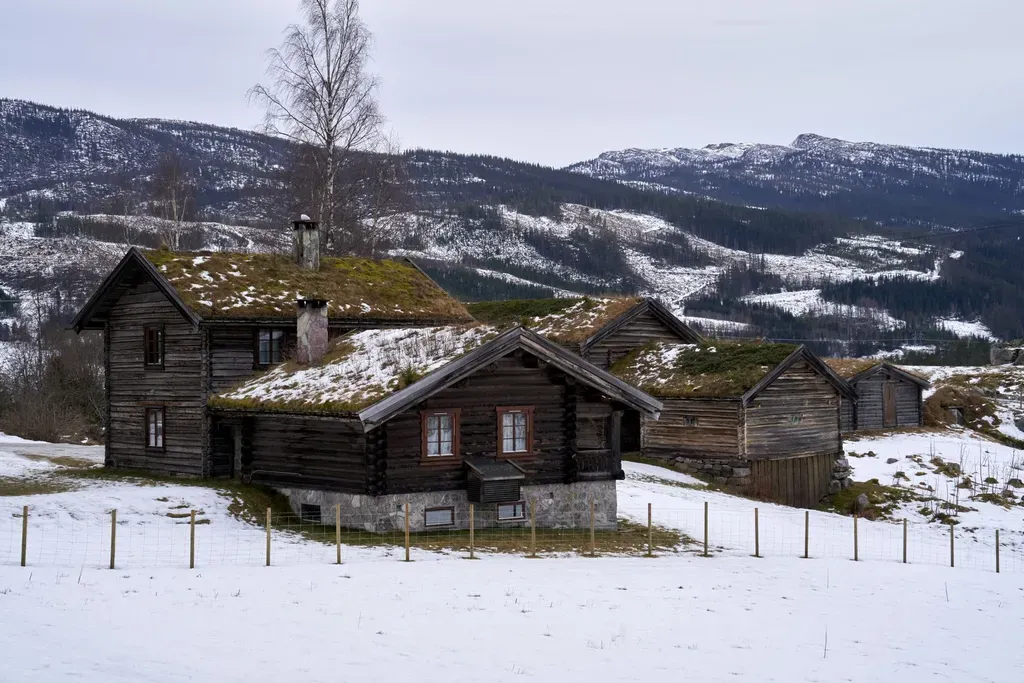
In Finland, the sauna is the clear star. If you are booking a winter stay here, especially in Lapland or the lakeland region, a private sauna often feels essential. Finland’s sauna culture is a major reason travelers come in the first place, and many distinctive stays are designed around it. If you are choosing between amenities, Finland is the strongest argument for sauna first. For broader trip planning, the Finland Travel Guide: Where to Go, When to Visit, and How to Plan Your Trip can help you match the stay to the season.
In Norway, both amenities can shine, especially in cabins with fjord or mountain views. A hot tub can be unforgettable when the landscape is the main attraction, but a sauna may feel better after long outdoor days in the cold. If you are heading farther north, even a remote experience like Norway Spitsbergen Travel Guide: What to Know Before You Go shows how much weather and atmosphere shape the experience.
In Sweden, the choice often depends on setting. A sauna fits naturally with forest cabins, archipelago stays, and winter wellness retreats. A hot tub becomes especially appealing when the property has a dramatic view or a design-forward feel. If you are planning a route that includes winter landscapes and possible Aurora chasing, a stay near the right conditions can make either option feel special—especially if you are comparing places like Stay in Kiruna or Abisko: Which Is Better Without a Car?.
In Iceland, hot tubs often feel especially iconic. That is partly because bathing culture and geothermal water are already part of the national experience. A hot tub or geothermal-style soak can feel natural here, and the landscape makes it memorable. If you want a winter stay that feels dramatic and atmospheric, Iceland is a strong case for the soaking side of the comparison.
In Denmark, winter stays tend to lean toward cozy, design-driven, and private wellness experiences rather than remote wilderness immersion. That does not make either option less appealing—it just means the setting often shapes the mood more than the amenity itself. A sauna may feel more classic and compact, while a hot tub can add a more indulgent note to a countryside or coastal escape.
How to choose when booking a distinctive Nordic stay
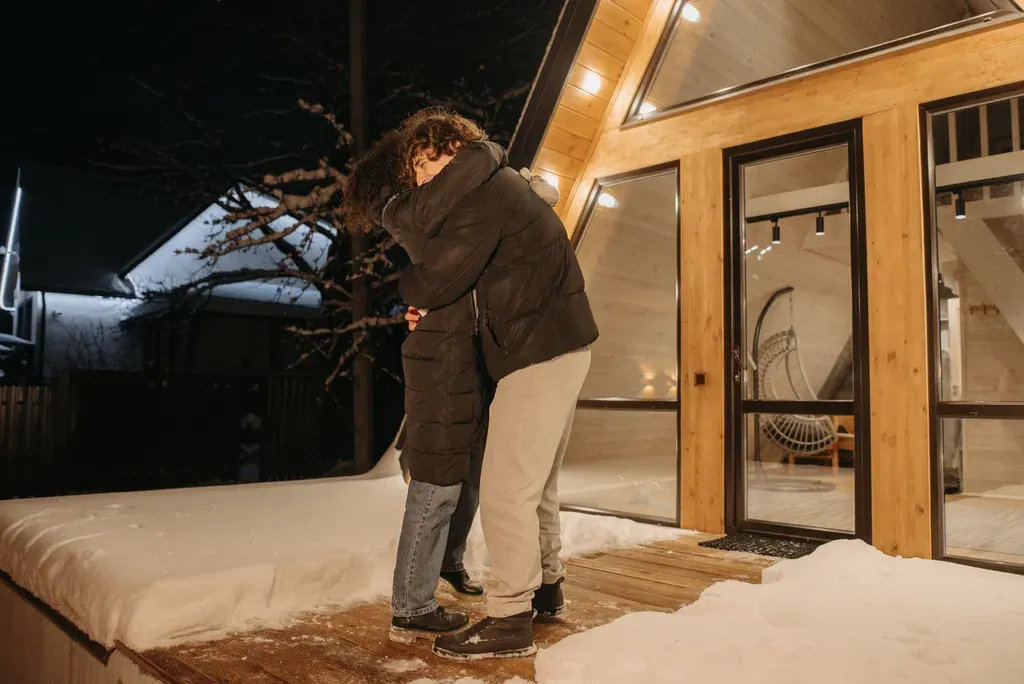
If you are deciding between a sauna and a hot tub, use this simple checklist:
- Do you want traditional Nordic warmth and quick recovery? Choose a sauna.
- Do you want slow relaxation and scenic soaking? Choose a hot tub.
- Are you planning lots of winter activities like skiing, snowmobiling, or long walks? A sauna may be more practical.
- Are you focused on romance, views, or a celebratory stay? A hot tub may feel more memorable.
- Is the weather likely to be very cold or windy? A sauna is usually the safer, more predictable choice.
- Are you traveling with kids or a larger group? Check the listing rules carefully before assuming either amenity works for everyone.
It is also important to read the fine print. “Private” can mean different things. Sometimes the sauna is private to your cabin but the hot tub is shared, or vice versa. Sometimes the amenity is private only during a specific time slot. If the listing does not clearly say what is private, ask before booking.
For some travelers, the best answer is actually both. A stay with a sauna and a hot tub can combine tradition, warmth, and scenic relaxation in one place. If you find that option, it can be the most satisfying setup of all for a winter Nordic trip.
Conclusion: the best option depends on your winter travel goal
The core difference in the private sauna vs hot tub choice is simple: sauna is about tradition, heat, and recovery, while hot tub is about lingering, views, and atmosphere. Both can be excellent on a Nordic winter trip, especially across Finland, Norway, Sweden, Iceland, and Denmark.
If your goal is authenticity, faster warming, and a classic regional experience, choose a private sauna. If your goal is a slower, more indulgent soak with snow, scenery, and a romantic feel, choose a hot tub.
Either way, the best winter stays are the ones that connect the amenity to the place. In the Nordics, warmth is not just comfort—it is part of the journey.
FAQ
Is a private sauna better than a hot tub in winter?
It depends on your goal. A private sauna is usually better for traditional Nordic warmth and quick recovery, while a hot tub is better for scenic, slow-paced relaxation.
Which is more authentic in a Nordic stay?
A private sauna is generally the more traditional Nordic choice, especially in Finland.
Which option is better for couples?
Both can work well, but hot tubs often feel more romantic for long soaks, while saunas can feel more private and restorative.
Is a hot tub usable in very cold weather?
Yes, many are designed for winter use, but wind, snow, and setup details can affect comfort.
Should I choose a sauna or hot tub for a cabin stay?
Choose a sauna if you want warmth and tradition; choose a hot tub if you want outdoor views and a longer soak.
Can I get both in one Nordic stay?
Yes, some distinctive stays offer both. If you find one, it can be the best of both worlds for a winter trip.