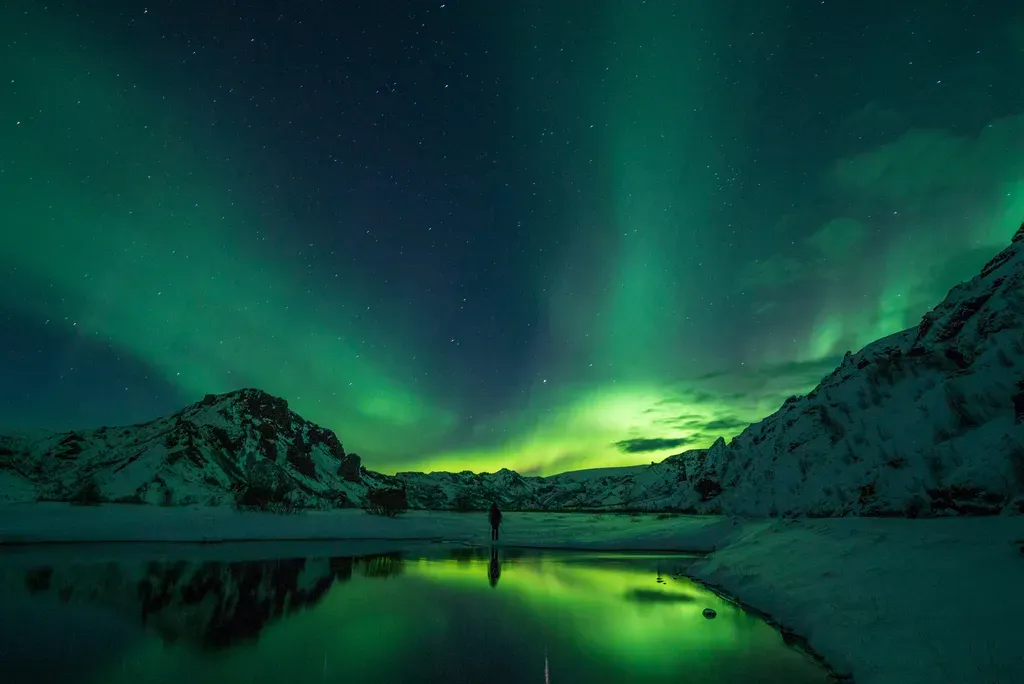
The Short Answer: Where Should You Stay?
If your goal is to see the Northern Lights, stay in Reykjavík or the Icelandic countryside based on the kind of trip you want — but know this: the countryside usually gives you better odds.
Reykjavík is easier, more social, and far more convenient for a first night in Iceland. The countryside is darker, quieter, and better for aurora viewing because you are escaping city light pollution. That said, neither location guarantees a show. The real deciding factors are solar activity, cloud cover, and how flexible your trip is.
For most U.S. travelers, the choice comes down to this:
- Reykjavík if you want easy arrival logistics, restaurants, nightlife, and a softer landing after a flight
- The Icelandic countryside if your priority is darkness, open skies, and the best possible chance of seeing the aurora from your accommodation
- A split stay if you want convenience at the start and better sky conditions later
If you are planning a broader Nordic winter trip, it helps to think the same way you would for northern Sweden or Finnish Lapland: city comfort first, dark-sky sleeping later. Our guide to how to plan a Northern Light trip in the Nordics goes deeper on timing, weather, and flexibility across the region.
For a broader sense of how the Nordics fit together as a trip, this Nordic Countries travel guide is a useful overview of the region’s geography and travel flow.
Why Reykjavík Works Well
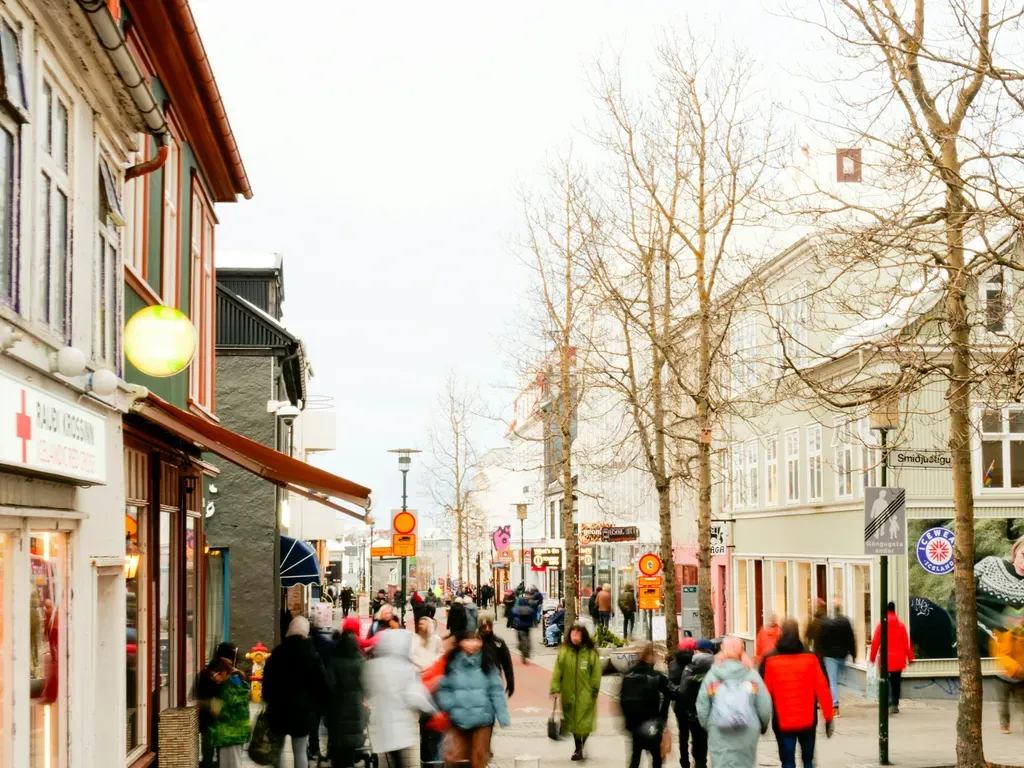
Reykjavík is the practical choice for travelers who want a simple start to the trip. After a transatlantic flight from the U.S., landing, picking up bags, and checking into a downtown hotel feels much easier than driving immediately into winter darkness. You can take a transfer, settle in, eat well, and recover before tackling roads or weather.
The city is also the best base if you want:
- Restaurants and bars within walking distance
- A compact, easy-to-navigate stay
- No-car travel
- Day tours to waterfalls, hot springs, or the South Coast
- A relaxed first night after arrival
That makes Reykjavík a strong fit for boutique hotels, design-forward stays, and comfortable downtown properties. Think of it as a smart city base, not a wilderness retreat. If you like the idea of a stylish hotel, easy check-in, and a neighborhood you can explore on foot, Reykjavík delivers.
Can you see the Northern Lights from Reykjavík? Yes — but it is less reliable than staying outside the city. On very clear and active nights, you might catch them from the edge of town or during a guided aurora excursion. But in many cases, city lights reduce what you can see. That is why Reykjavík works best as a launch point rather than the main aurora base.
It is also a better choice if you plan to use Iceland in the same way travelers use Oslo, Norway or other Nordic capitals: as a comfortable, culture-rich stop with easy access to day trips, not necessarily as the place where nature takes over your itinerary.
Who should choose Reykjavík?
- First-time visitors to Iceland
- Couples who want dining and nightlife
- Travelers without a car
- Short itineraries of two or three nights
- Visitors who plan to join guided aurora tours
Why the Icelandic Countryside Often Wins for the Aurora
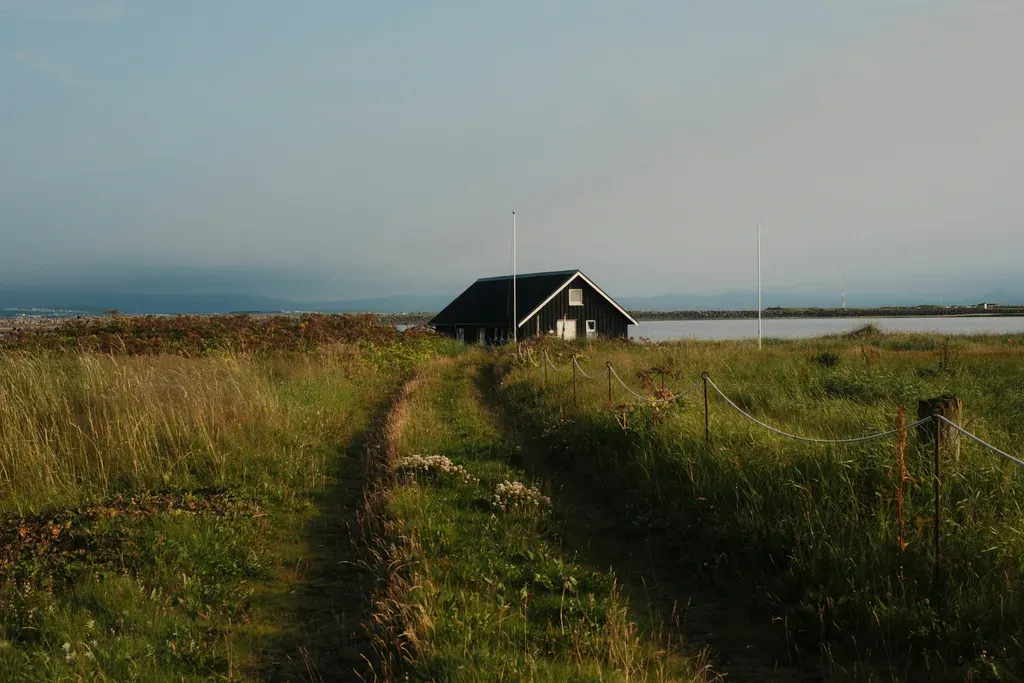
If your main goal is to see the Northern Lights, the countryside usually gives you the better setup. The reason is simple: dark skies matter. Once you move away from Reykjavík and other lit areas, your eyes adapt better, and the aurora appears stronger when it does show.
Countryside stays also tend to give you more useful aurora conditions right where you sleep. Instead of driving late at night in winter, you can step outside a guesthouse, cabin, or lodge and check the sky from the property itself. That is a huge advantage when clouds move quickly or the forecast changes after dinner.
In Iceland, that often means staying in places where there is very little artificial light nearby — for example:
- Hella and Hvolsvöllur in South Iceland, which work well as practical bases with quick access to dark roads and the South Coast
- Vík í Mýrdal, where you can combine a village stay with dramatic coastlines and strong aurora potential on clear nights
- Kirkjubæjarklaustur, a quieter inland stop with a more remote feel and wide-open skies
- The Golden Circle countryside, where properties outside the main tourist routes can feel far darker than Reykjavík while still being easy to reach
- Snæfellsnes Peninsula farm stays, which can offer a more secluded landscape with fewer lights and a strong “end of the road” atmosphere
The best countryside stay types include:
- Guesthouses with a few rooms and local hosts
- Farm stays with open land and little surrounding light
- Cabins for privacy, quiet, and flexible self-catering
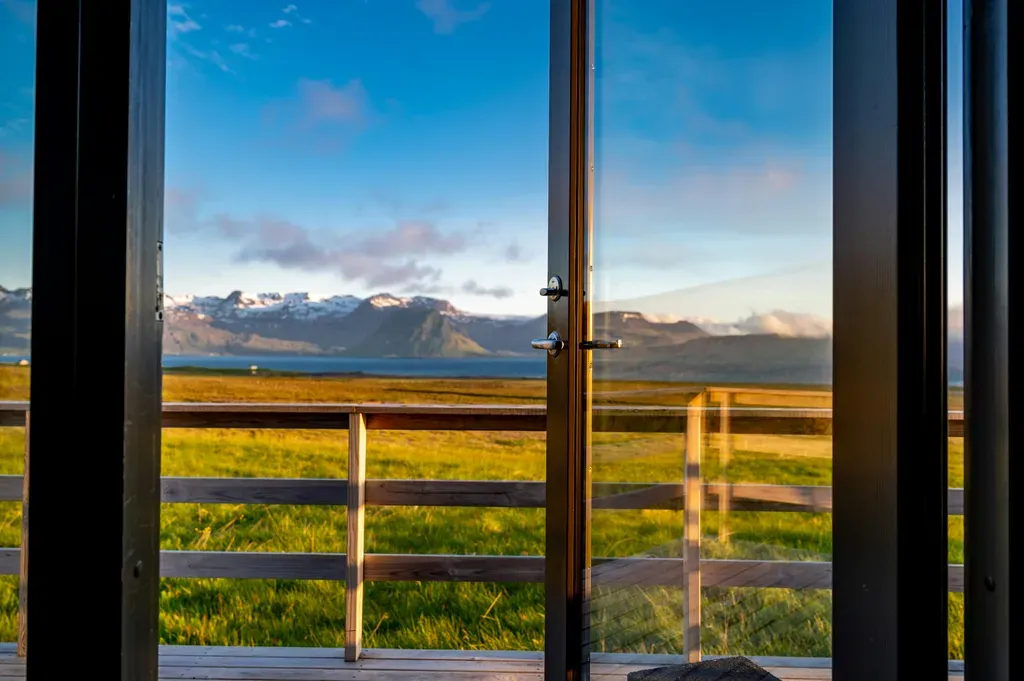
- Remote lodges with big windows, hot tubs, or wide views
This setup is especially appealing for photographers. You want darkness, a clean horizon, and a place where you are not constantly getting in and out of a car. A remote lodge or cabin lets you stay ready. If the aurora appears at 11:30 p.m., you do not need to pack a bag and drive somewhere else first.
The tradeoff is real, though. The countryside usually means:
- Fewer restaurant choices
- More driving
- Greater exposure to winter weather
- The need for a rental car or arranged transfers
- More planning around fuel, road conditions, and grocery stops
In other words, the countryside is better for sky-first travelers, not convenience-first travelers. That is also why many visitors pair a rural stay with time near major South Iceland destinations such as Skógafoss Waterfall and the broader area described in our South Iceland destination guide. It keeps you close to dark roads, scenic stops, and potential aurora viewing without going completely off-grid.
Best Stay Styles for Each Option
The best place to stay is not just about the map. It is also about the actual property type.
Reykjavík stay styles
For Reykjavík, look for:
- Boutique hotels in the center
- Design hotels with good heating and easy check-in
- Properties with parking if you plan to rent a car
- Neighborhoods with restaurants nearby
- Easy access to tour pickup points
Reykjavík works well if your room is where you sleep, regroup, and plan the next day — not where you spend all night staring at the sky. If you want the city to support your trip rather than define it, a downtown hotel makes sense.
Countryside stay styles
For rural Iceland, prioritize:
- Guesthouses with simple, reliable comfort
- Cabins with self-catering kitchens
- Farm stays with open land and low light around the property
- Lodges with large windows facing open terrain
- Places that mention Northern Lights viewing, hot tubs, or dark surroundings
You do not need luxury to improve your odds. You need darkness, a usable outdoor space, and a stay that makes it easy to go outside quickly. A hot tub can be a nice bonus, but it is not the deciding factor. Open skies are.
Should you split your stay?
For many travelers, yes. A split stay is often the smartest plan:
- 1–2 nights in Reykjavík
- 2–4 nights in the countryside
That gives you a soft landing after your flight, plus more time under dark skies once you are rested and road-ready. It also reduces the pressure to make your aurora trip succeed on a single night.
If you are building a bigger Nordic itinerary that includes Denmark, Sweden, Norway, or Finland, this same strategy often works well elsewhere too: stay one night in the city, then move outward toward the landscape. For a broader planning framework, our Nordic winter escape guide is useful even if Iceland is your main stop.
How to Maximize Your Northern Lights Odds
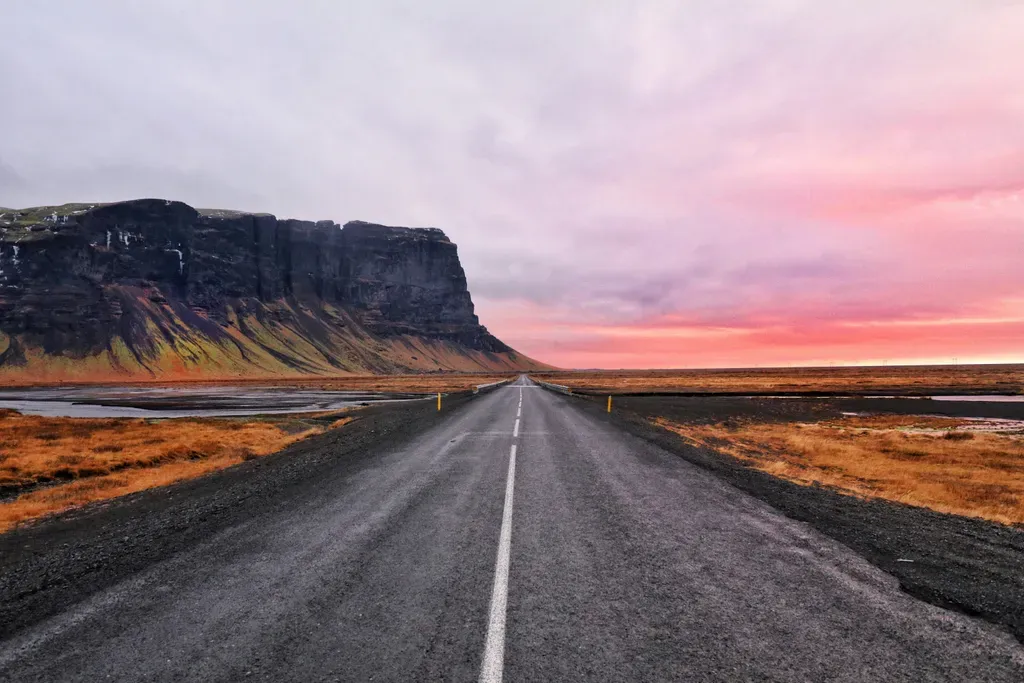
The location matters, but timing matters more than most travelers expect.
Focus on winter darkness
You need enough darkness for the aurora to stand out. In Iceland, that means planning for the darker months rather than chasing the season casually. From late autumn through early spring, the nights are long enough to create a real viewing window, with the deepest darkness usually arriving around the middle of winter.
That timing has two important effects:
- Better visibility window: The aurora can be seen for more hours of the night.
- Higher weather risk: Winter also brings wind, snow, and fast-changing cloud cover, so the “best” month on paper is not always the easiest in practice.
If you want the best balance, many travelers target September to March, when nights are dark enough to view the lights but road and weather conditions can still be manageable with good planning. Early autumn can be a sweet spot because the skies are dark enough and temperatures are often less severe than in midwinter. Midwinter offers the longest nights, but you need to be more comfortable with icy roads and reduced daylight.
Watch the forecast
Before deciding whether to stay in Reykjavík or head rural, check:
- Aurora forecast
- Cloud cover
- Wind
- Road conditions
A strong aurora forecast means little if the sky is fully clouded. In that case, a flexible traveler may prefer a countryside base that allows a last-minute move toward clearer skies. A city traveler can still join a guided excursion, but the road and weather conditions matter more.
Also remember that the aurora forecast and the weather forecast are not the same thing. You can have good solar activity and still see nothing if thick cloud cover blocks the sky. This is why the best trips combine forecast watching with a stay that gives you options — not just a single fixed hotel in one location.
Stay longer than one night
A single-night aurora trip is mostly a gamble. A longer stay gives you more chances to line up clear skies, active conditions, and a good viewing spot. If you can, plan three to five winter nights instead of squeezing Iceland into a one-night stop.
The reason is simple: even a perfect Northern Lights forecast can be ruined by one cloudy evening. Multiple nights improve your odds dramatically because you can wait for the right combination of darkness, clear sky, and activity.
Renting a car helps
A rental car can improve your options if you are staying outside Reykjavík. It lets you move away from clouds, find darker roads, and react quickly if the forecast shifts. If you are not comfortable driving in winter, stick with Reykjavík and guided night excursions instead of forcing a rural base that does not fit your style.
This is the same logic many travelers use when choosing between car-free and road-trip-friendly stays in places like northern Sweden. If you want a car-free aurora base, our post on staying in Kiruna or Abisko without a car is a helpful comparison.
Which Option Should You Choose?
Here is the simplest way to decide.
Choose Reykjavík if:
- This is your first trip to Iceland
- You want dining, bars, and a walkable base
- You are staying only a short time
- You do not want to rent a car
- You plan to take guided tours for the aurora and day sightseeing
Choose the countryside if:
- Your top priority is seeing the Northern Lights
- You are comfortable driving in winter
- You want privacy, quiet, and open horizons
- You enjoy cabins, guesthouses, or farm stays
- You want to watch the sky from right outside your room
Choose both if:
- You want a balanced trip
- You are flying in from the U.S. and want an easier arrival
- You want a more reliable aurora strategy after a city night
- You are building a longer Iceland itinerary with South Coast stops
For many U.S. travelers, the best answer is a hybrid trip: Reykjavík first, countryside second. That keeps the logistics manageable while still giving you the darker skies you need.
Booking Tips for an Iceland Northern Lights Trip
If you are planning ahead, book with flexibility in mind.
Book early for winter demand
Popular countryside properties can fill up quickly in aurora season, especially the best cabins and small lodges with open views. If you want a specific room type or region, reserve early.
Choose flexible cancellation policies
Weather can change everything in Iceland. A flexible booking policy makes it easier to adjust if cloud cover, road conditions, or flight timing shift your plans.
Give yourself a road-trip base if needed
If you want to drive along the South Coast, a property with easy road access can make a big difference. Being within reach of dark skies is often better than staying deep in town and hoping for a miracle.
Build in buffer nights
If the aurora is a priority, do not overpack your itinerary. Keep at least a little room for weather delays, rest, and spontaneous clear-sky nights.
Book the stay that supports the trip you actually want
Do not choose Reykjavík just because it is simpler if what you really want is dark-sky viewing. And do not choose a remote lodge if you know you will hate driving at night. The best Iceland aurora trip is the one that matches your comfort level.
FAQ
Is Reykjavík or the countryside better for seeing the Northern Lights?
The countryside is usually better because it has less light pollution and darker skies.
Can you see the Northern Lights from Reykjavík?
Yes, but it is less reliable than outside the city and often works best on very clear nights.
Should I rent a car for a countryside stay?
Usually yes, because it gives you more flexibility to move away from clouds and city lights.
How many nights should I stay in Iceland for aurora viewing?
Three to five winter nights is a better target than one or two, because weather and cloud cover can change quickly.
Is it worth splitting time between Reykjavík and the countryside?
Yes, for many travelers it is the best balance of convenience, dining, and stronger aurora odds.
What kind of countryside stay is best for the Northern Lights?
A guesthouse, cabin, farm stay, or remote lodge with open views and minimal surrounding light works well.
Final Takeaway
If you want the most practical answer, stay in Reykjavík for convenience and the countryside for the best aurora odds. Reykjavík is easier, more social, and better for a first or short trip. The countryside is darker, quieter, and usually stronger for Northern Lights viewing.
For most travelers, the smartest plan is not to choose one forever — it is to use both. Start with the city if it helps you arrive rested, then move into a guesthouse, cabin, or remote lodge where the sky can do the real work.
That is the trip style Frosty Lands is built for: a thoughtful Nordic stay that fits the destination, the season, and the experience you actually want.