Intro: Two Classic Finnish Stays, Two Very Different Trip Styles
If you are trying to decide between a lakeside cottage vs wilderness cabin, Finland gives you one of the best side-by-side comparisons in the Nordics. Both options promise sauna time, quiet evenings, and a close connection to nature, but the experience can feel surprisingly different depending on where you stay, how remote it is, and how much convenience you want.
A lakeside cottage usually feels like the softer entry point into rural Finland: water views, a private sauna, easy swimming or rowing, and just enough comfort to make the trip feel restorative rather than rugged. A wilderness cabin, by contrast, leans into solitude. It may sit deep in the forest or near a national park, with fewer neighbors, simpler facilities, and a stronger “unplugged” atmosphere.
For U.S. travelers planning a first Nordic getaway, this choice matters. Are you picturing slow mornings by the shore, a family-friendly base, and easy logistics? Or are you after a quieter, more remote stay with hiking trails, berry picking, and a bigger sense of escape? This guide breaks down what each stay feels like, how they compare, and how to choose the right one for your Finland itinerary.
For broader trip planning, it also helps to understand where these stays fit into a larger route through Finland and the rest of the Nordics. You can pair this decision with our Finland travel guide and our guide to planning a northern light trip in the Nordics.
What a Lakeside Cottage in Finland Feels Like
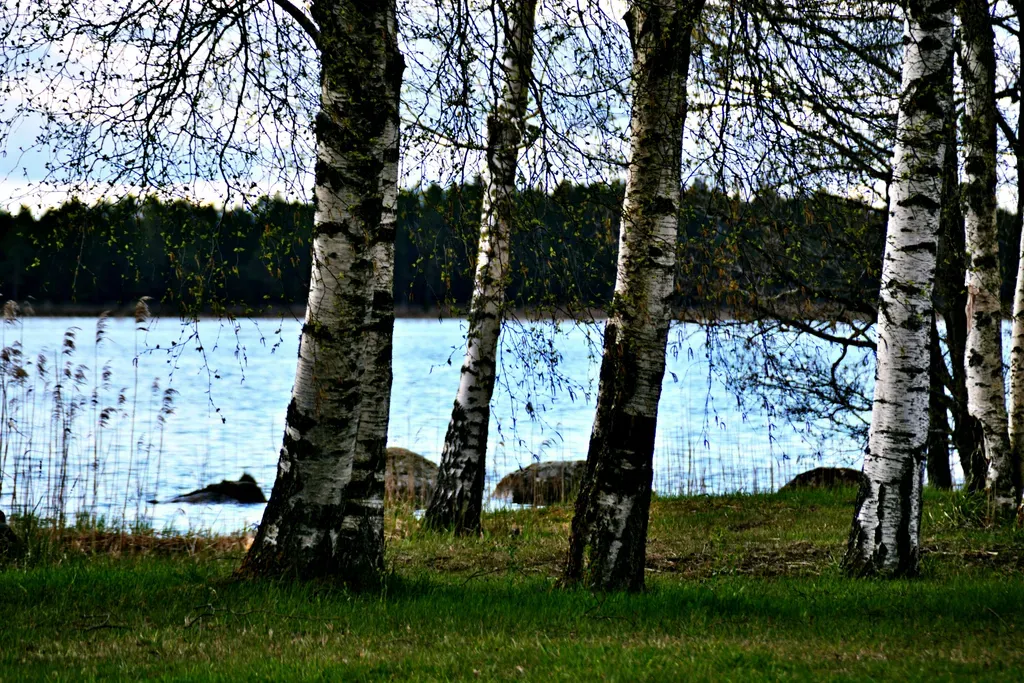
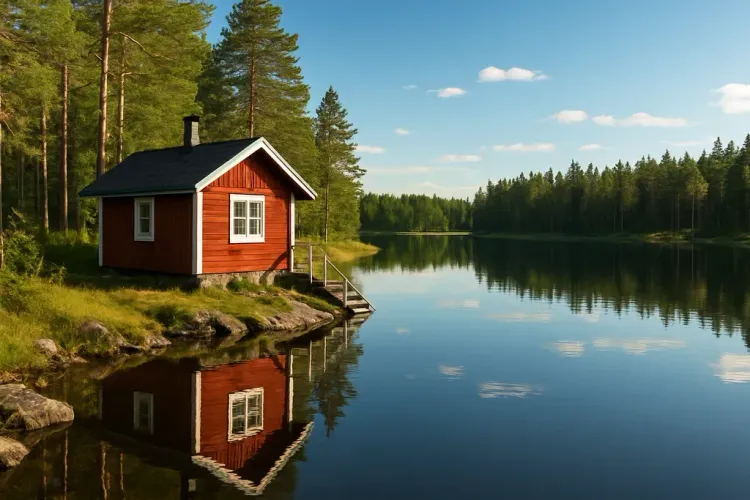
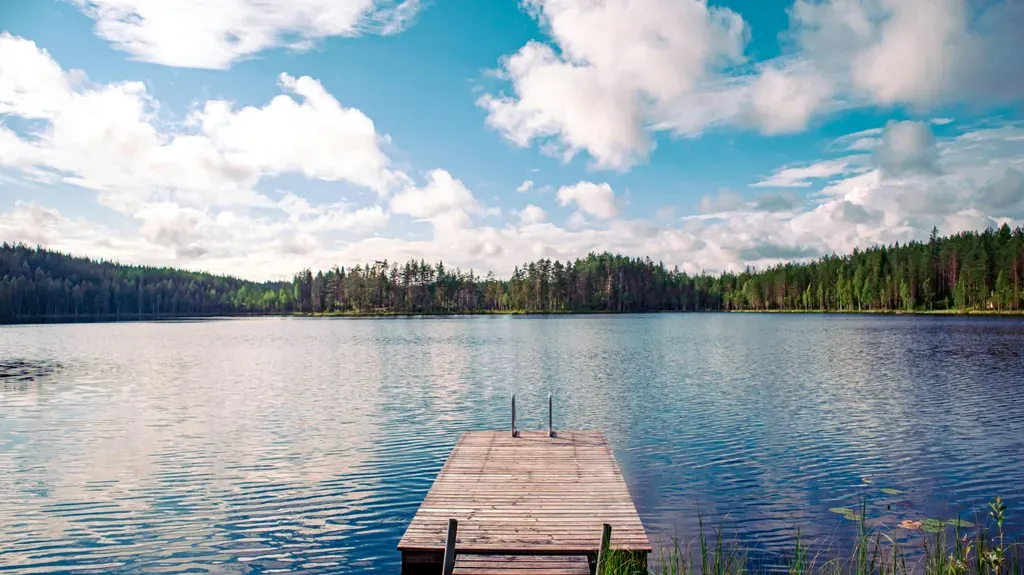
A Finnish lakeside cottage is the stay many travelers imagine first: a wooden retreat tucked into the Finnish Lakeland or along an island-studded shore, with a dock, a sauna, and water close enough to become part of your daily rhythm. These cottages are often designed for lingering rather than rushing. You wake up, step outside, look over the lake, and decide whether the day begins with coffee on the terrace, a swim, or a rowing outing.
The best lakeside cottages balance nature and convenience. They may still feel private and peaceful, but they are often easier to access by car and more likely to include practical comforts such as a better-equipped kitchen, indoor bathroom, and more generous living space. That makes them especially appealing for couples, families, or first-time visitors who want the magic of rural Finland without feeling overly isolated.
A big part of the appeal is the sauna-and-swim cycle. A lakeside setting turns that ritual into something effortless: heat up in the sauna, cool off in the lake, repeat. If you want to read more about that cultural experience, see Frosty Lands’ Finnish sauna guide.
Popular stay examples on Frosty Lands include places like AHTI in Sappee, AINO in Sappee, KUUSENKATVE in Tahko, and KUUSIKUMPU in Himos, all of which fit the relaxed, nature-forward cottage style that many U.S. travelers are looking for.
What a Wilderness Cabin in Finland Feels Like
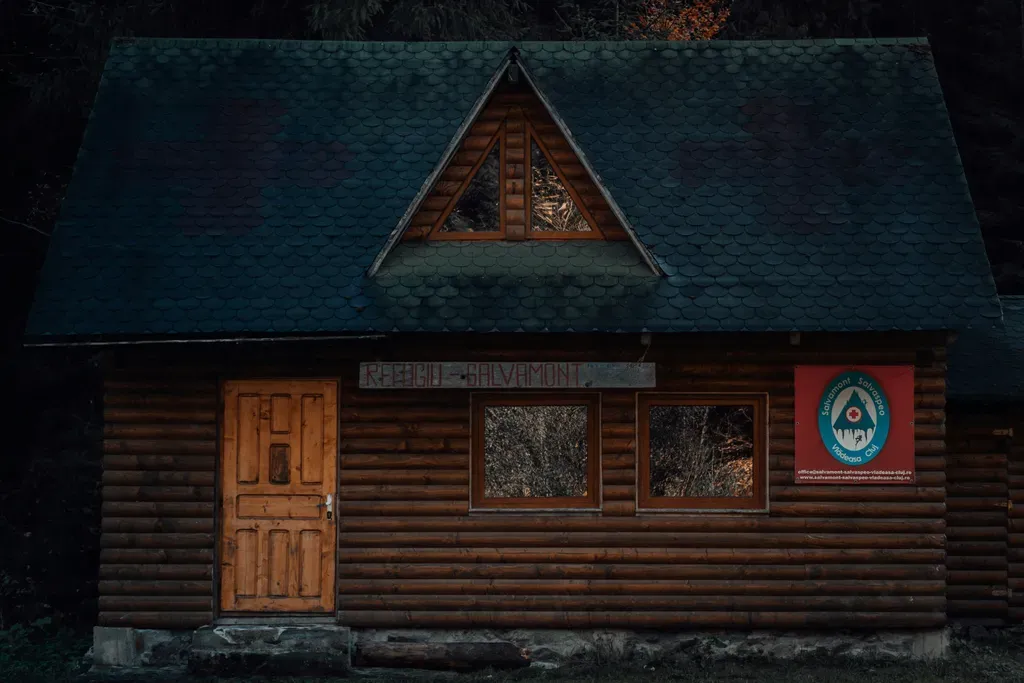
A wilderness cabin in Finland takes the same Nordic idea and strips it down further. Instead of lake access and a more social setting, you usually get a remote forest location, fewer nearby buildings, and a stronger sense of privacy. These cabins are often smaller, more minimalist, and built for travelers who care more about silence and outdoor immersion than extra comforts.
This is the stay style for people who want the trip to feel like a reset. You may spend the day hiking, fishing, collecting berries or mushrooms, and watching the light shift through the trees. At night, the sky may be dark enough for stargazing, and in the right season, you can build your whole itinerary around being offline.
A wilderness cabin can be deeply rewarding, but it usually asks more of the traveler. Access may involve a rougher road, a longer drive, or more planning around supplies, heat, and water. Some cabins are still quite comfortable, while others are intentionally basic. That is part of the appeal, but it is also the reason these stays suit experienced outdoors travelers more than casual vacationers.
If your idea of Finland includes remote Lapland landscapes, winter quiet, or a true escape from city noise, a wilderness cabin can be unforgettable. It pairs well with a larger northern itinerary that might include the Aurora season, cross-country skiing, or other winter-focused adventures. For that broader planning context, our Finland and Lapland winter guide is a useful companion read.
Comfort, Privacy, and Amenities: Side-by-Side
When comparing lakeside cottage vs wilderness cabin, the biggest difference is often not scenery but convenience.
A lakeside cottage usually offers:
- More sleeping space
- A more complete kitchen setup
- Easier heating and better insulation in many cases
- A private sauna
- A dock, boat, or direct water access
- A bathroom setup that feels more familiar to most U.S. travelers
A wilderness cabin may offer:
- A simpler footprint
- Fewer amenities
- A more basic kitchen or cooking setup
- A more rustic bathroom arrangement, or sometimes shared/external facilities
- Greater quiet and fewer neighbors
- A stronger sense of being “away from it all”
Privacy also works differently in each stay. A lakeside cottage can feel very private because of the water frontage and trees, but you may still have nearby cabins within view or a road not far away. A wilderness cabin often feels more secluded, but the trade-off can be a less predictable arrival, more self-sufficiency, and fewer easy backup options if plans change.
That is why your comfort level matters as much as the building itself. A lakeside cottage can feel “wilder” if it is very remote and off-grid. Meanwhile, a wilderness cabin can feel surprisingly comfortable if it has good heating, a solid kitchen, and thoughtful design. The label does not tell the whole story.
Best Seasons for Each Stay
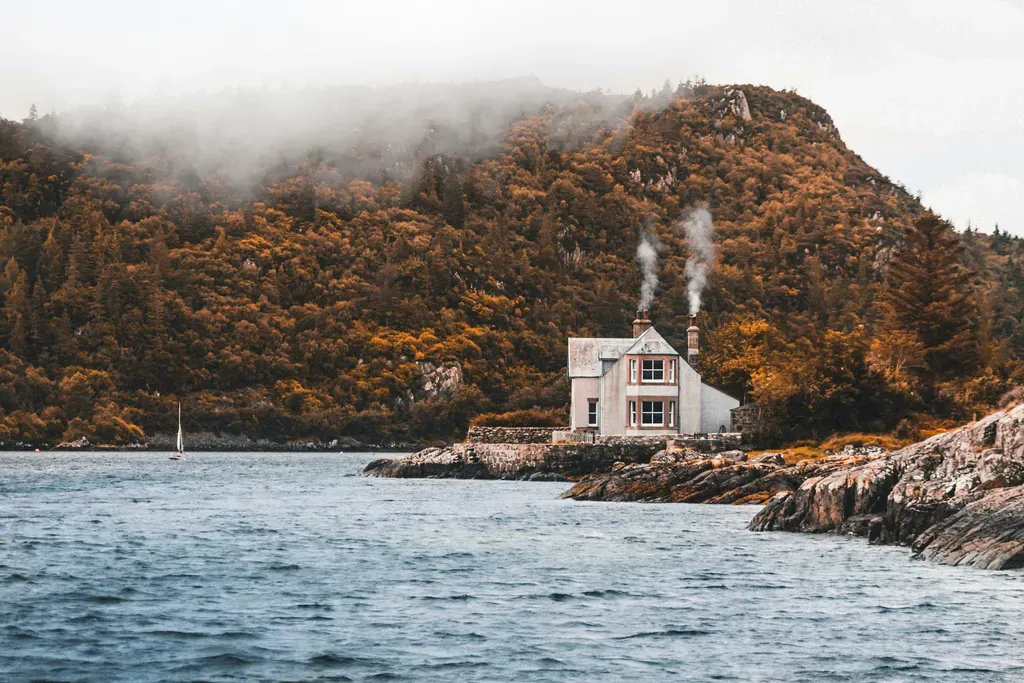
Seasonal timing changes the experience more than people expect.
Lakeside cottages are especially strong in summer and shoulder season. Long daylight hours, swimming, rowing, and warm evenings make the lake the center of the trip. Late spring and early autumn can be especially pleasant too, with fewer crowds and a quieter atmosphere.
Wilderness cabins can shine in autumn and winter, depending on access and your tolerance for cold-weather logistics. In winter, they can feel wonderfully cocoon-like, especially if you are planning a snow-focused escape or a northern lights trip. For travelers trying to build a winter itinerary, it is worth reading how to plan a northern light trip in the Nordics alongside the stay itself.
A few seasonal factors matter for both:
- Mosquitoes: Summer in forest or lake areas can bring insects, so pack repellent.
- Daylight: Finland’s long summer days are magical, while winter daylight can be short.
- Ice: Lakes may freeze in winter, changing the whole look and use of a cottage.
- Road conditions: Rural drives can be easy in summer and more demanding in snow or ice.
What to pack:
- Layers for changing temperatures
- Swimwear for sauna use
- Sturdy shoes
- Insect repellent in summer
- Flashlight or headlamp
- Winter gear if you are traveling cold-season
If you are planning a Midsummer escape, lakeside cottages are especially good fits. For ideas on how that holiday works across the Nordics, see Midsummer Holiday in the Nordics.
Activities That Match Each Stay
The stay you choose should match the way you want to spend your days.
At a lakeside cottage, the pace tends to be slow and flexible. You can swim off the dock, paddle or row, take sauna breaks, read outside, and make easy day trips if you want variety. This is a strong choice for travelers who like the idea of nature but still want some structure and comfort around the edges.
At a wilderness cabin, the focus shifts outward. Hiking, fishing, foraging, and long walks through the forest can become the core of the trip. In the right season, you may spend as much time looking for berries or enjoying stargazing as you do sitting inside. This is a better match for travelers who want the stay itself to be part of the adventure rather than just a place to sleep.
For families, lakeside cottages are usually easier because the water access and open space give everyone something to do without requiring a major outing every day. For couples, either option can be romantic, but the mood changes:
- Lakeside cottage: relaxed, scenic, sauna-and-swim, slow mornings
- Wilderness cabin: quiet, secluded, unplugged, more intimate in a remote way
If you want easy day trips, a lakeside cottage is often more practical. If you want a full digital detox, a wilderness cabin may be the better fit.
How to Choose the Right Finnish Stay for Your Trip
A simple way to decide is to ask three questions: How much comfort do I want? How remote do I want to be? And who am I traveling with?
Choose a lakeside cottage if:
- You want an easier first visit to rural Finland
- You value a private sauna and water access
- You are traveling with family
- You want a slower trip without giving up too much convenience
- You prefer a balance of nature and comfort
Choose a wilderness cabin if:
- You want solitude and quiet
- You enjoy simple, self-sufficient travel
- You are comfortable with more rustic facilities
- You care most about hiking, fishing, or nature immersion
- You want a true off-the-grid feeling
Budget also matters. A more rustic cabin may look cheaper at first, but if it requires extra gear, a longer drive, or more supplies, the total trip cost may not be much lower. A lakeside cottage can sometimes be the better value if it includes the amenities you would otherwise pay for elsewhere.
Before booking, ask:
- Is there electricity and running water?
- What type of heating is provided?
- How do you access the property in winter?
- Are linens and towels included?
- Is sauna use private or shared?
- What supplies are nearby?
- Is the road suitable for your car?
That last point is especially important in rural Finland, where a place can look idyllic on a map but still be more remote than expected.
Booking Tips for U.S. Travelers
For American travelers, a few logistics deserve extra attention.
First, think about arrival. Finland is relatively easy to navigate by air into Helsinki, then by train, regional flight, ferry, or rental car depending on where you are going. If you are combining a cottage or cabin stay with a city stop, Helsinki can work well as a starting or ending point. Our Practical Guide to Helsinki is helpful if you want to anchor the trip in the capital before heading into the countryside.
Second, understand self-catering. Many Finnish stays are designed around cooking for yourself and cleaning up before departure. That is part of the experience, but it also means you should confirm what is included rather than assuming hotel-style service.
Third, check the practical details:
- Are towels and linens included?
- How does check-in work?
- Do you need to bring firewood or buy it locally?
- Is the sauna heated electrically or by wood?
- Is the property easy to reach without a 4WD vehicle?
Finally, plan for weather. If your trip is in winter, allow extra time, drive cautiously, and consider travel insurance that fits your itinerary. For more trip-planning help around the season and destination mix, our Finland travel guide can help you build a balanced route.
FAQ
Is a lakeside cottage or wilderness cabin better for first-time visitors to Finland?
Most first-time visitors will find a lakeside cottage easier, since it usually offers more comfort, simpler access, and a gentler introduction to rural Finland.
Do wilderness cabins in Finland usually have electricity and running water?
Not always. Some do, but many are simpler than lakeside cottages, so it is important to confirm utilities before booking.
Which stay is better for a sauna experience?
Both can be great, but lakeside cottages often pair especially well with sauna because you can cool off with a swim or dockside dip.
Are wilderness cabins in Finland too remote for a short trip?
They can be if you want easy arrival and minimal logistics. For a short trip, choose one that is still reachable without a long transfer.
Which option is better for families?
Lakeside cottages are usually better for families because they tend to offer more space, easier access, and more flexible amenities.
What should I pack for either stay?
Pack layers, insect repellent in summer, swimwear for sauna use, sturdy shoes, and a flashlight or headlamp if you are staying outside a town.
Conclusion: Which Finnish Stay Is Right for You?
If you want a gentle, scenic introduction to Finland, the lakeside cottage is usually the better match. It gives you the classic sauna-and-lake experience, a calmer logistics setup, and enough comfort to make the trip relaxing for couples, families, and first-time visitors.
If you are craving silence, privacy, and a more self-sufficient adventure, the wilderness cabin may be exactly what you want. It is the stronger choice for experienced outdoors travelers, digital detoxers, and anyone who wants the forest to be the main event.
In the end, lakeside cottage vs wilderness cabin is less about which one is “better” and more about which version of Finland you want to live inside for a few days. One is about balance and ease. The other is about remoteness and reset. Either way, the right stay can turn a Finland trip into something distinctly Nordic and deeply memorable.