Why Helsinki Is Worth Knowing
Helsinki, the capital of Finland, is a city that feels both calm and full of life. It is Finland’s largest urban center, but it does not overwhelm you with noise or speed. Instead, it offers a blend of sea air, thoughtful design, easy access to nature, and a daily rhythm that feels distinctly Nordic.
For first-time visitors, Helsinki is appealing because it is simple to understand and easy to enjoy. For repeat travelers, it rewards slower exploration: a new café, a quieter island, a different sauna, a design shop tucked into a side street, or a waterfront path you missed before. That balance makes the city especially memorable.
If you are planning a wider Nordic trip, Helsinki also works well as a gateway to Finland and the rest of the region. As The Nordic Countries: Your Ultimate Travel Guide points out, the Nordic region is defined by proximity to nature, strong local identity, and cities that remain closely connected to their landscapes. Helsinki fits that description perfectly.
This guide is designed to be practical and easy to follow. You will find the city’s location, history, top sights, local habits, seasonal differences, and useful travel tips all in one place.
Where the Capital of Finland Sits
Helsinki lies on the southern coast of Finland, facing the Baltic Sea. Its setting is a big part of what defines the city. The shoreline is never far away, and the urban area is shaped by bays, harbors, islands, and green spaces rather than hard edges.
The city’s geography gives it a refreshing openness. You can move from a busy square to a quiet waterfront walk in just minutes. Islands sit close to the center, ferries cross the water regularly, and parks soften the urban landscape. This makes Helsinki feel spacious without being spread out in a way that is hard to navigate.
In terms of scale, Helsinki is a compact capital by European standards. That is part of its charm. The city center is walkable, trams are convenient, and many major sights are close together. The atmosphere is relaxed, with a mix of government buildings, seaside promenades, cafés, modern architecture, and everyday neighborhoods where local life continues at an unhurried pace.
Helsinki also serves as an important entry point into Finland and the wider Nordic region. If you are continuing north toward Finnish Lapland, or branching into other Nordic capitals, Helsinki is a natural starting point. For a broader trip planning context, you may also find Finland Travel Guide: Where to Go, When to Visit, and How to Plan Your Trip useful.
A Short History of Helsinki
Helsinki was founded in 1550 by King Gustav I of Sweden. At that time, Finland was part of the Swedish realm, and the city was created to strengthen trade and influence along the coast. For a long period, however, Helsinki remained relatively modest in size.
Its rise began later, when Finland came under Russian rule in the early 19th century. In 1812, Helsinki was made the capital of the Grand Duchy of Finland. This decision transformed the city’s importance and set the stage for much of the architecture visitors see today.
Russian influence shaped the city’s monumental center, especially around Senate Square and the surrounding neoclassical buildings. At the same time, Sweden’s earlier role in Finnish history is still part of the city’s identity. Helsinki’s cultural character reflects both of these layers, along with Finland’s own path to independence and modern nationhood.
Over time, Helsinki evolved into a modern Nordic capital known for education, design, technology, public culture, and quality of life. That history is visible everywhere: in the grand symmetry of older buildings, in the functionality of public spaces, and in the city’s mix of heritage and contemporary style.
Top Places to See in Helsinki
Helsinki offers a well-balanced mix of landmarks, waterfront scenery, and everyday city life. You do not need to rush from place to place. Many of the city’s best experiences come from moving steadily between squares, harbors, neighborhoods, and islands.
Senate Square and Helsinki Cathedral
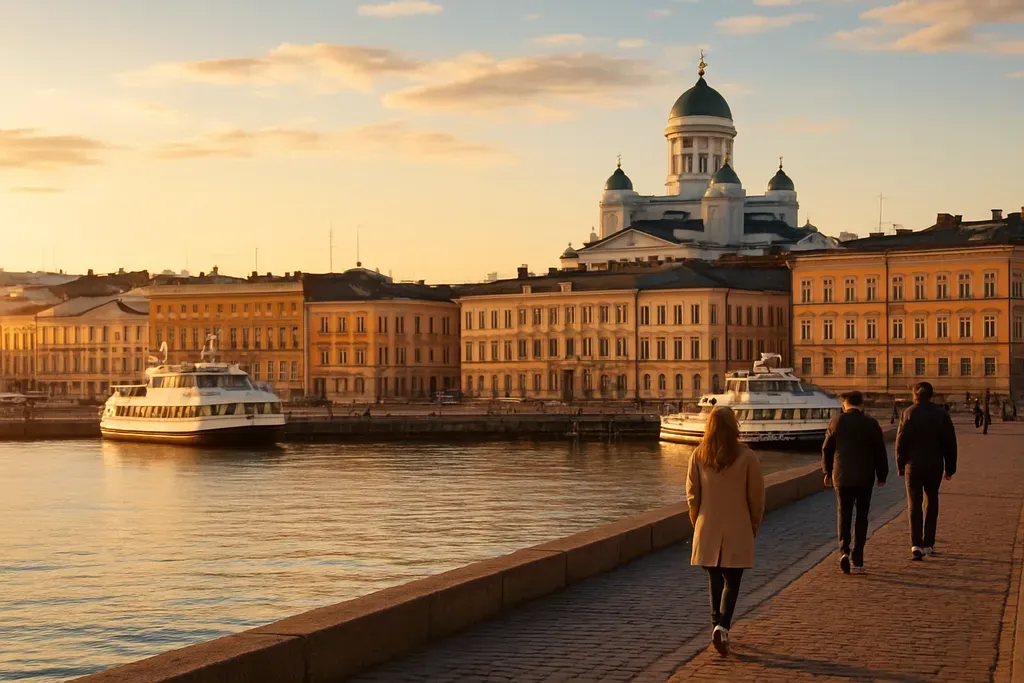
Senate Square is one of the city’s most iconic open spaces. It is framed by elegant neoclassical architecture and gives you an immediate sense of Helsinki’s historical center. Above it rises Helsinki Cathedral, one of the city’s most recognizable landmarks.
The cathedral’s pale façade and green domes make it a visual symbol of the capital of Finland. The area around it is especially atmospheric in the early morning or late evening, when the square feels open and quiet.
Market Square and the Harbor
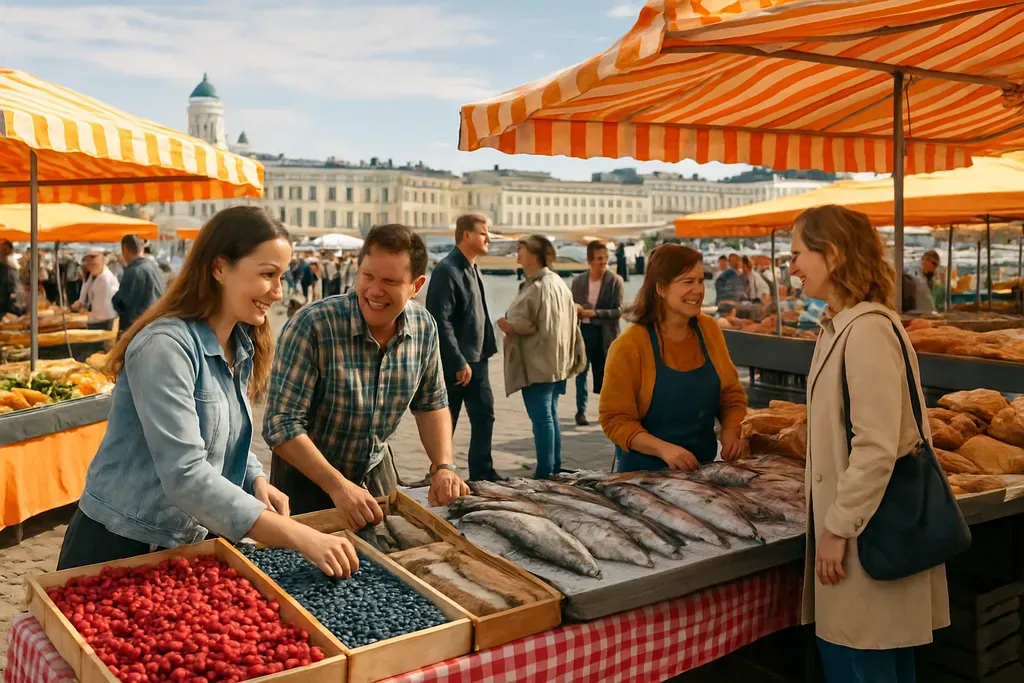
Down by the water, Market Square brings you closer to Helsinki’s daily rhythm. You will find local food, seasonal produce, café stalls, and a lively harbor atmosphere. It is also a good place to pause and watch boats, ferries, and city life in motion.
This area connects well to the rest of the center, and it is one of the easiest places to experience Helsinki’s seaside identity without planning anything complicated.
Esplanadi and the Design District
The Esplanadi area is one of the best places to enjoy a simple city walk. The boulevard, nearby shops, and cafés create a pleasant central corridor between the harbor and the rest of the downtown area. It is a good place to people-watch and get a feel for the city’s pace.
Helsinki is also known for design, and the Design District is where that reputation becomes especially visible. Streets here feature boutiques, galleries, studios, and functional Nordic aesthetics that feel polished but never excessive. If you enjoy thoughtful interiors, local makers, and clean design lines, this is an area worth lingering in.
Suomenlinna
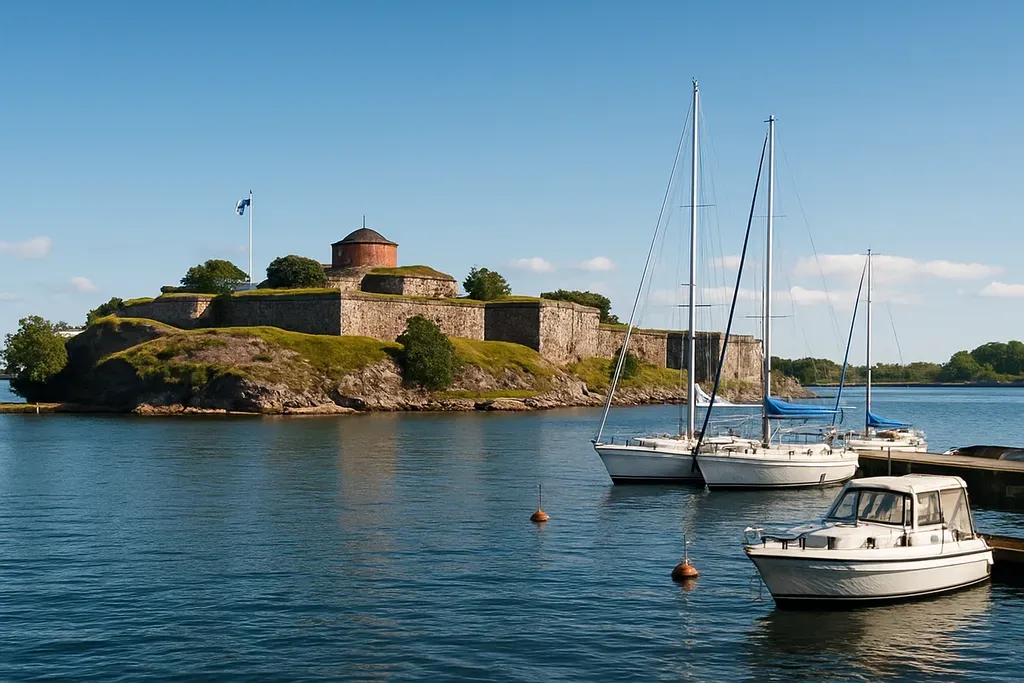
No guide to the capital of Finland is complete without Suomenlinna. This sea fortress spreads across several islands just off the coast and is a UNESCO World Heritage Site. It combines military history, island scenery, and peaceful walking paths in one destination.
Suomenlinna is ideal for a half-day visit, though you can spend longer if you like to explore slowly. It gives you a different perspective on Helsinki: quieter, breezier, and deeply tied to the city’s maritime setting. If you are planning your route through the city, it is worth reading more in our Norway Oslo Capital Guide: What to See, Do, and Know Before You Go for comparison with another Nordic capital known for waterfront life.
Uspenski Cathedral and Other Landmarks
Helsinki’s architectural story is not limited to one style. Uspenski Cathedral, with its red brick and hilltop position, adds another layer to the city’s skyline. Nearby churches, museums, and civic buildings show how the capital has absorbed different periods and influences while still feeling coherent.
The beauty of Helsinki is that the city does not rely on just one major attraction. Its appeal comes from the combination of small experiences: a tram ride, a quiet side street, a view across the harbor, a design shop, and a bakery stop between sights.
Nature, Saunas, and the Helsinki Way of Life
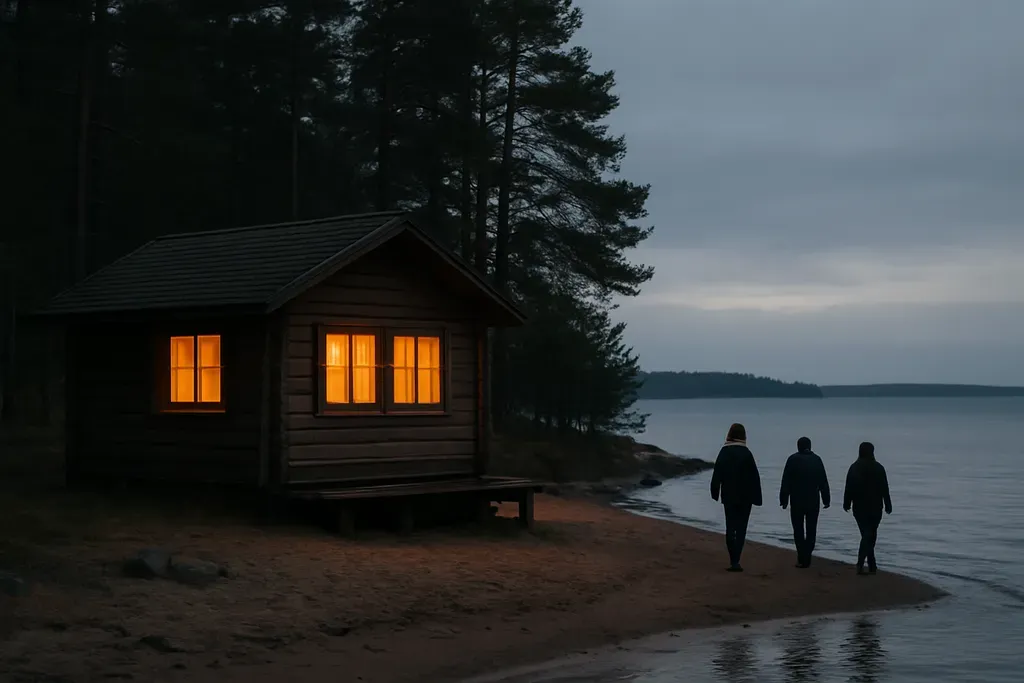
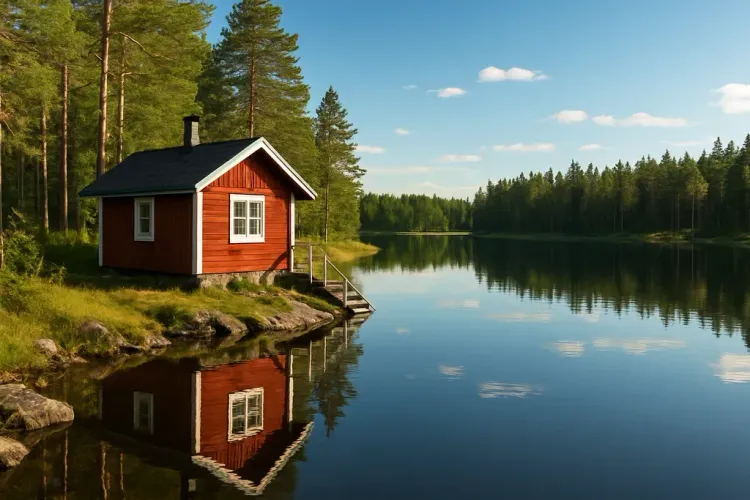
Helsinki is a city where nature is part of everyday life, not something reserved for special occasions. Locals walk by the water, spend time in parks, visit nearby islands, and enjoy outdoor routines in every season when the weather allows it.
That connection to nature is one reason the city feels so comfortable. Even in the middle of the capital, you are never far from trees, shoreline, or open sky. In summer, people linger outside late into the evening. In colder months, the city becomes quieter, but the coastal scenery and clean urban spaces remain part of daily life.
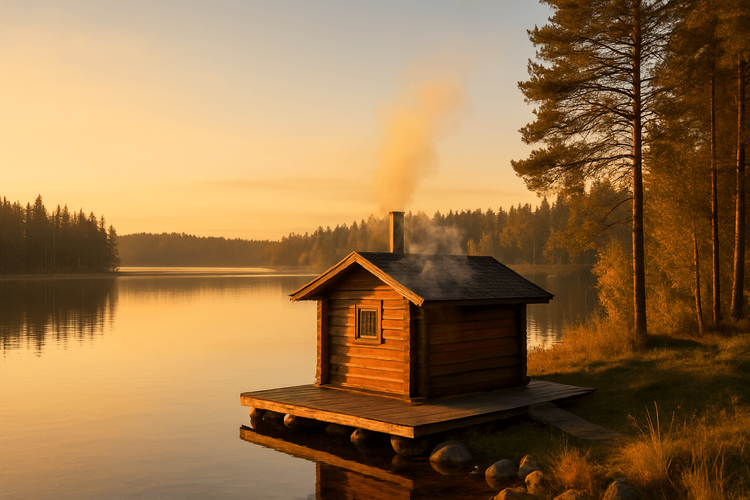
Saunas are another core part of the Helsinki experience. They are not just a tourist activity; they are a meaningful part of Finnish culture and a regular part of life for many locals. A sauna visit can be restorative, social, and deeply tied to Finnish identity. If you want to understand this tradition more fully, see our Finnish Sauna Guide: Where to Go, What to Expect, and How to Do It Right.
Visitors should also remember that Helsinki rewards slowing down. Rather than trying to check off everything in one day, it is better to combine sightseeing with time for coffee, a waterfront bench, a tram ride, or a long lunch. That unhurried pace is part of the Helsinki way of life.
When to Visit Helsinki
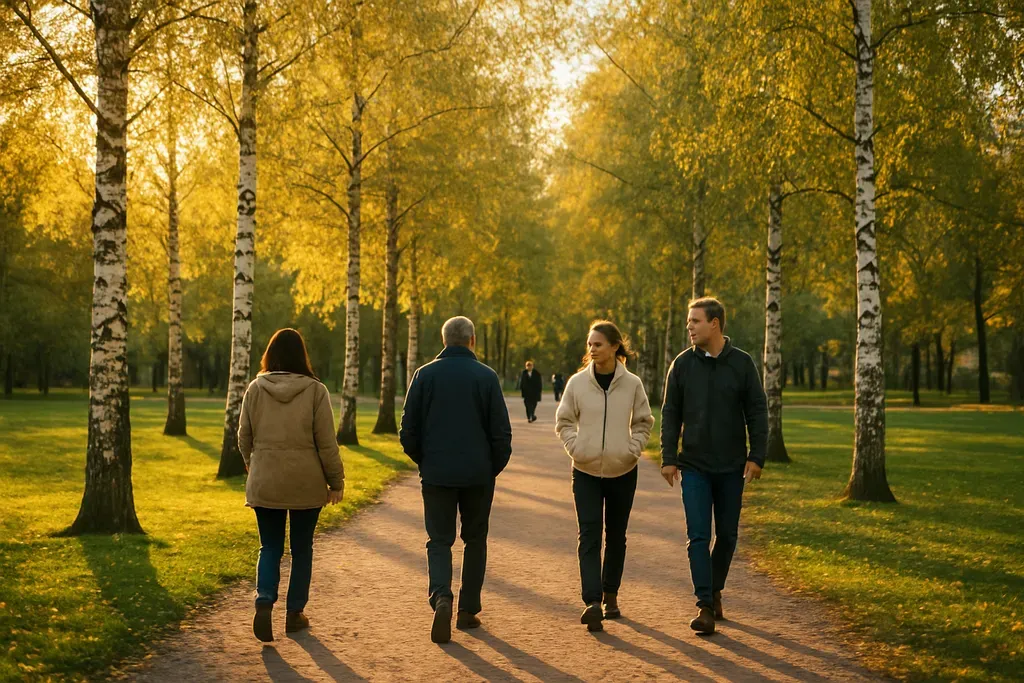
Each season gives Helsinki a different mood, and the best time to visit depends on what you want from the trip.
Summer
Summer is the easiest and most popular season for sightseeing. Days are long, temperatures are generally mild, and outdoor life is at its best. You can explore islands, walk along the waterfront, sit outside at cafés, and enjoy the city late into the evening.
If you enjoy lively streets, bright skies, and plenty of time for outdoor exploring, summer is the strongest choice.
Autumn
Autumn brings cooler air, changing colors, and a more reflective atmosphere. The city starts to feel quieter after the summer rush. It is a good season for travelers who prefer comfortable walking weather and a calmer pace.
Winter
Winter in Helsinki feels crisp, clean, and atmospheric. Snow may appear, daylight is short, and the sea adds a dramatic edge to the landscape. This season is best for travelers who want a true Nordic city experience and do not mind bundling up.
If you are also planning a broader cold-weather route, Finland and Lapland: How to Plan the Perfect Nordic Winter Escape can help you connect Helsinki with a trip further north.
Spring
Spring arrives slowly, but when it does, the city feels renewed. The days get brighter, outdoor seating returns, and the waterfront begins to feel more open again. It is a pleasant time for those who want manageable crowds and a fresh seasonal transition.
In practical terms, summer is best for first-time sightseeing, while winter offers a more atmospheric and distinctly Finnish experience. For seasonal context across the region, Midsummer Holiday in the Nordics: Where to Go, What to Expect, and How to Join In is also worth a look if your trip overlaps with that period.
How to Get Around, Eat, and Plan Well
Helsinki is one of the easiest Nordic capitals to navigate. You can walk much of the center, and public transport fills in the rest.
Getting Around
Trams are especially useful and add to the experience of the city rather than just functioning as transport. Buses, the metro, and ferries also make it easy to move around. If you are visiting for a short stay, you may not need a car at all.
Walking is one of the best ways to understand Helsinki. Distances are manageable, and the city’s layout is intuitive. Always allow a little extra time in winter for weather conditions, but overall, the city is straightforward for first-time visitors.
What to Eat
Helsinki’s food culture is easy to enjoy without overplanning. Cafés, bakeries, fish dishes, rye bread, soups, and market food all play a role in daily life. The city’s markets are a good place to sample local flavors and see how food culture connects to the seasons.
Coffee culture is strong, and a stop for a warm drink is part of the rhythm of the day. In colder months especially, bakeries and cafés become essential parts of the urban experience.
Practical Tips
- Book popular accommodations early if you are traveling in summer or during major events.
- Dress in layers, even in warmer months, because sea breezes can make the weather feel cooler than expected.
- Check opening hours in advance, especially for museums, ferries, and seasonal attractions.
- Keep your itinerary flexible. Helsinki is best enjoyed with room for pauses.
- If you are combining Helsinki with other Nordic cities, compare pacing and transport carefully. Another capital that rewards easy exploring is covered in Oslo, Norway: A Nordic City Guide to Culture, Nature, and Easy Exploring.
For a smooth first trip, focus on a few priorities rather than trying to see everything. A good short-stay plan might include Senate Square, Market Square, a tram ride, one museum or design stop, a waterfront walk, and a half-day at Suomenlinna.
FAQ on Visiting the Capital of Finland
Is Helsinki the capital of Finland?
Yes. Helsinki is the capital of Finland and the country’s main political and cultural center.
How many days do I need in Helsinki?
Two to three days is enough for the main sights, but four days lets you explore at a calmer pace.
Is Helsinki easy to visit without a car?
Yes. The city is very walkable, and trams, buses, ferries, and the metro make getting around simple.
What is Helsinki best known for?
It is known for Nordic design, seaside scenery, public saunas, clean urban spaces, and a relaxed atmosphere.
When is the best time to visit Helsinki?
Summer is the easiest season for sightseeing, while winter offers a quieter, atmospheric Nordic experience.
Can I visit Suomenlinna in one day?
Yes. Suomenlinna is ideal for a half-day or full-day trip, depending on how long you want to explore.
Final Thoughts
Helsinki is a capital that feels grounded, scenic, and easy to enjoy. Its sea views, design culture, history, and outdoor habits create a city that is both practical and memorable. Whether you are visiting for the first time or returning to see it more slowly, the capital of Finland offers a very clear Nordic experience: calm, thoughtful, and closely tied to nature.
If your plans extend beyond Helsinki, it fits beautifully into a wider Finland or Nordic itinerary. But even on its own, it is a city worth knowing well.