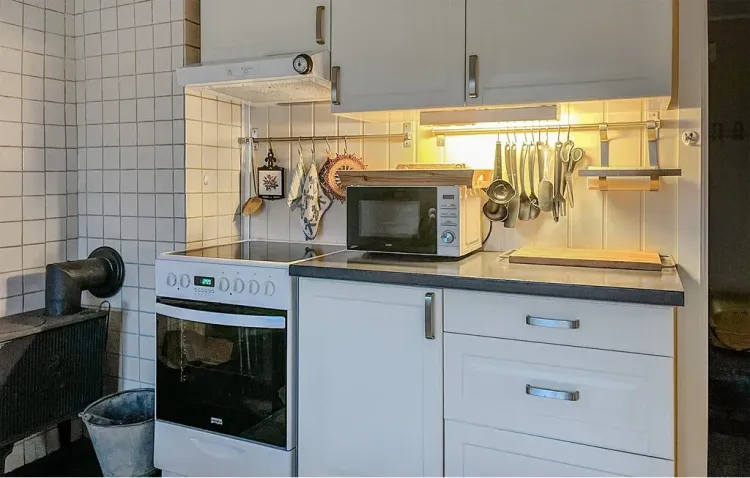
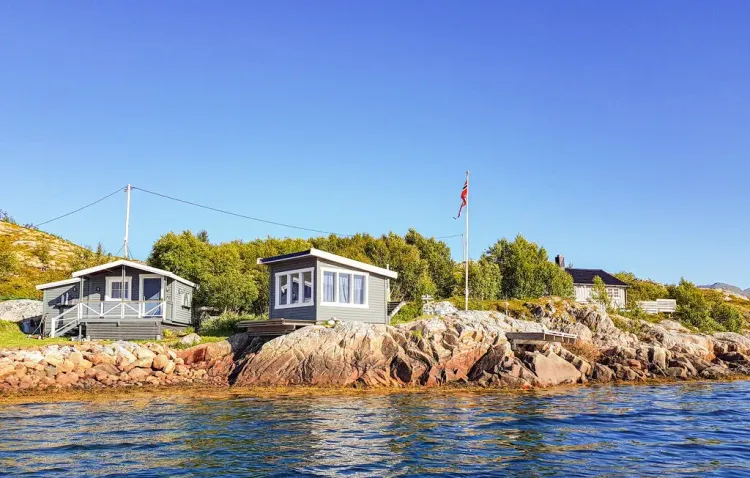
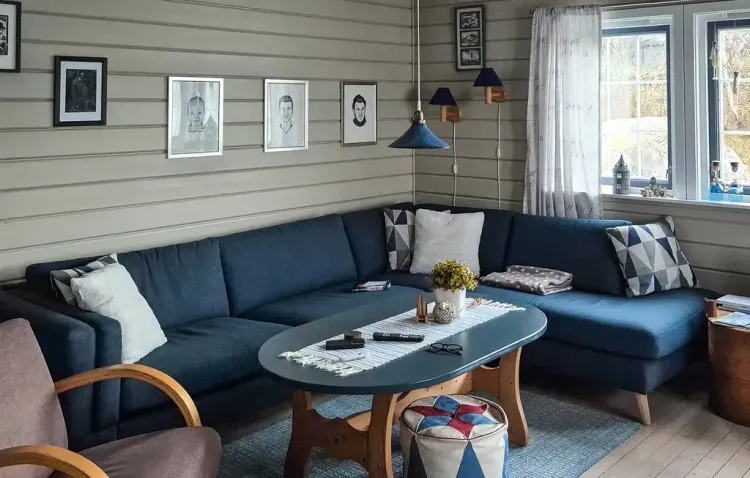
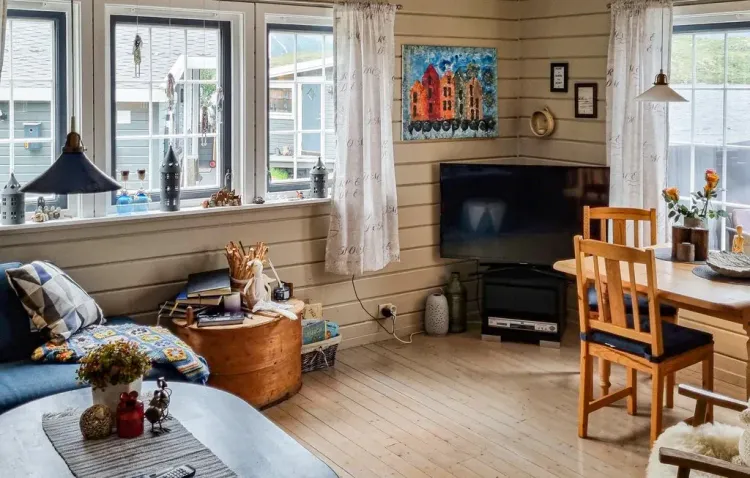
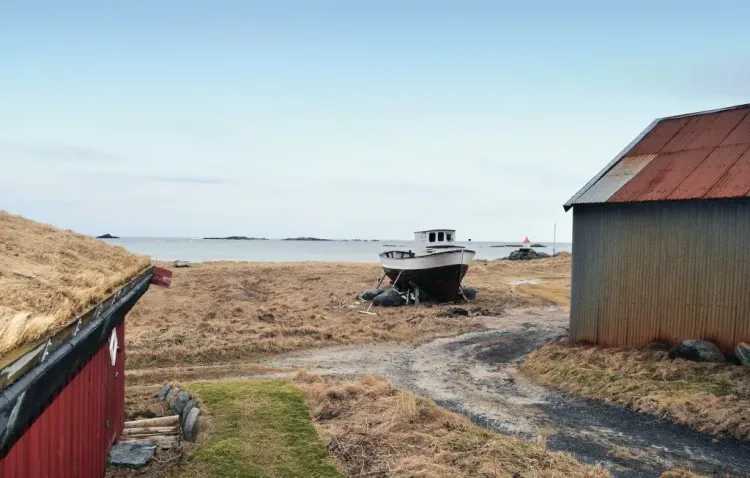
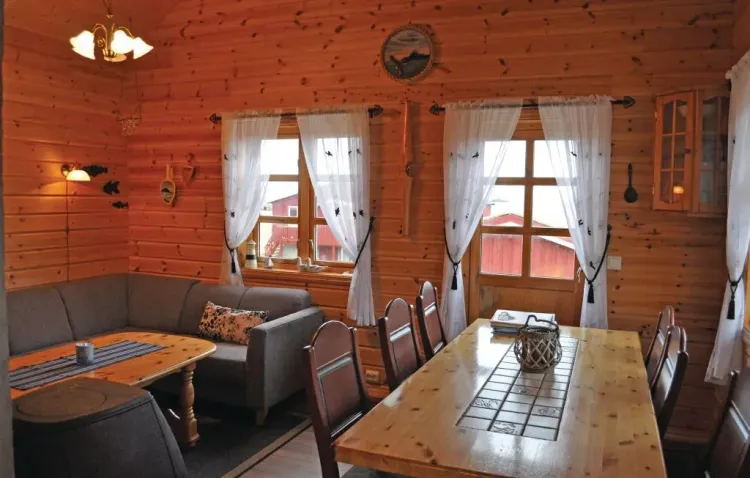
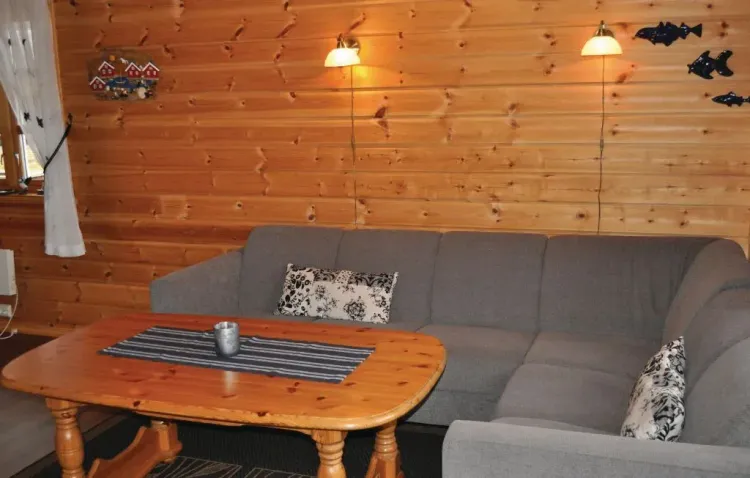
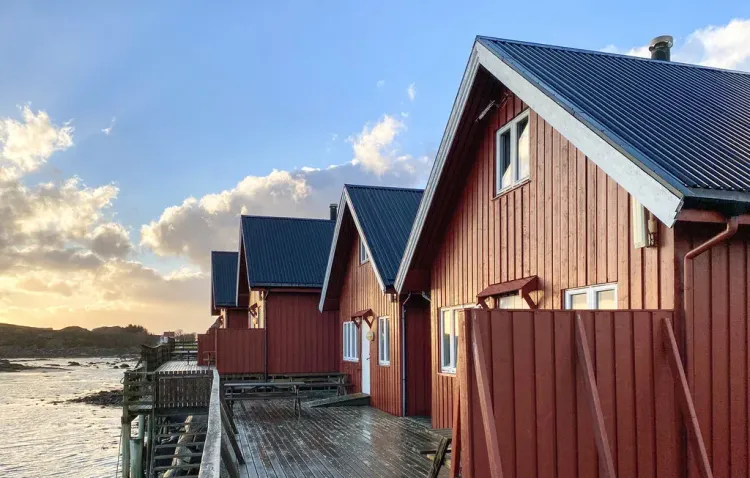
Lofoten compresses Norway’s drama into a chain of islands: granite peaks, fishing villages, sudden weather, and water in almost every direction. The question is rarely whether the scenery is worth it. The question is where you should wake up — because transfers take time, parking can be limited, and the best evenings are often the ones spent ten steps from your door.
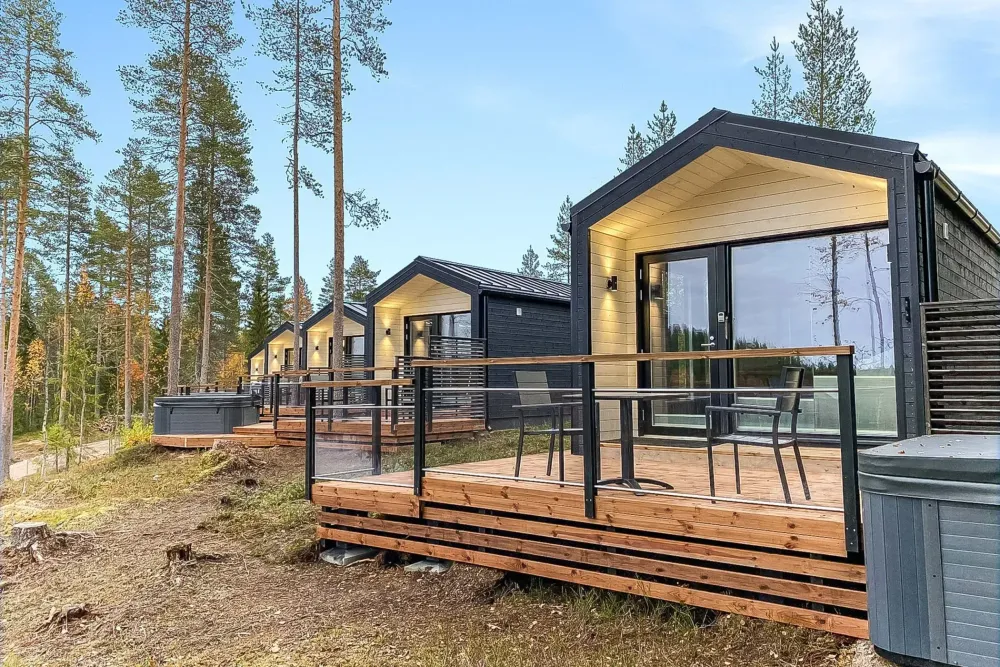
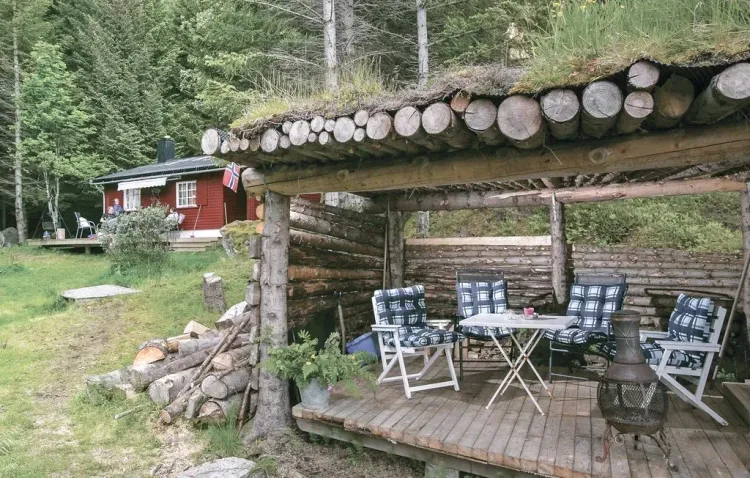
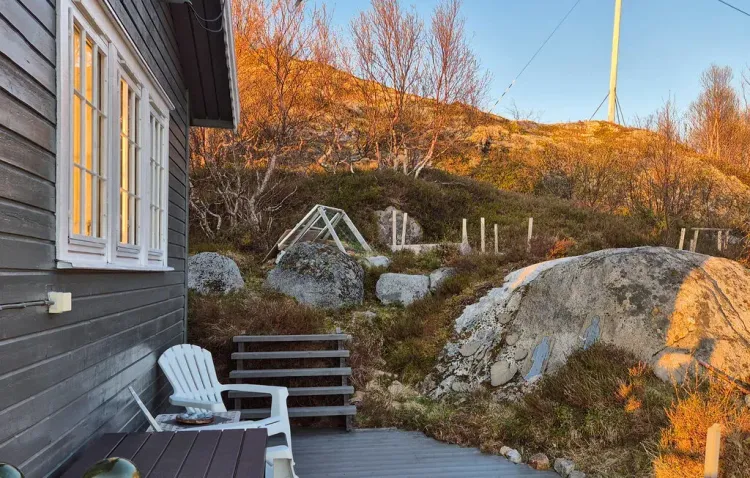
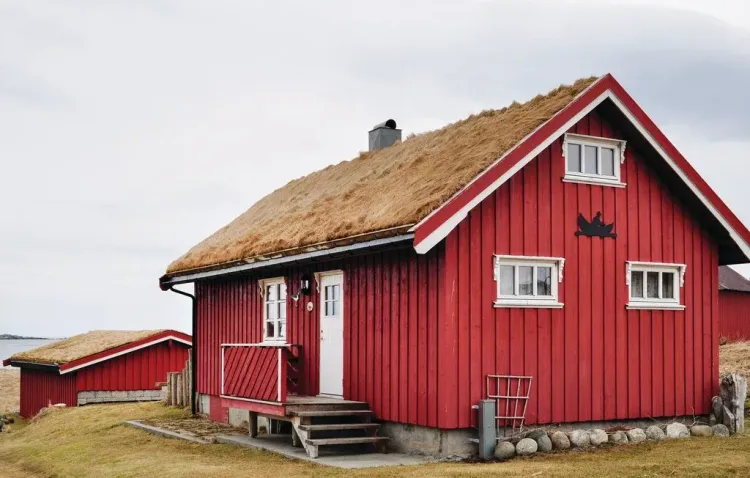
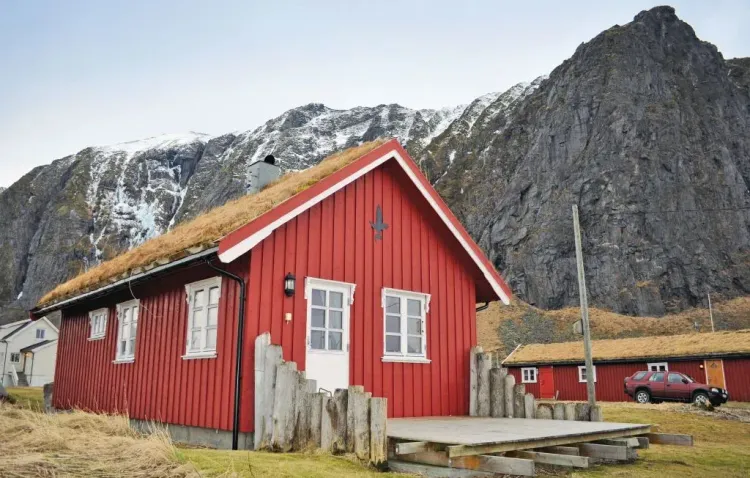
Unique Lofoten stays tend to fall into a few useful families. Rorbuer and waterfront cabins put you in the maritime story of the islands. Hillside or valley cabins trade harbour bustle for quieter mornings and hiking access. Design-led stays add comfort for longer winters or couple trips. None of these labels guarantee quality on their own; setting, privacy, and practical access matter more than marketing words.
Season changes the meaning of a good stay
In summer, midnight sun and trail access dominate. You may want laundry space, a kitchen for flexible meal times, and a base that does not force a long drive after every hike. In winter, darkness, northern lights potential, and weather windows matter more. A warm cabin with easy outdoor access can beat a perfectly located summer rorbu that feels exposed in January wind.
Shoulder seasons can be excellent if you want fewer crowds and are flexible with weather. Always read winter access notes carefully: what looks like a short drive in July can feel longer in wet snow and polar night.
Building a Lofoten lodging plan
First-time visitors often underestimate distances between Reine, Svolvær, and the quieter edges. One base for three to five nights is simpler than nightly hops. Two bases can make sense on a longer trip if you want both west-island drama and easier logistics near larger villages. Always check ferry and flight connections against your check-in time.
Self-catering helps because restaurant hours and reservation pressure change with season. If you are travelling as a couple, prioritise privacy and outdoor access. Families and groups should verify real bedroom counts and whether the stay sits near a usable beach, harbour walk, or trailhead rather than only a photogenic facade.
How to use this collection
Browse the Lofoten stays below, compare maps, and read each listing for capacity and access. The goal is not to collect Instagram rooms — it is to find a place that still feels special when the clouds sit on the peaks for two days. When in doubt, choose the stay that makes a quiet weather day feel like part of the trip rather than a loss.
Once you shortlist two or three stays, compare driving time to the hikes or villages you care about most, then book the one that leaves you energy for evenings. Lofoten rewards travellers who protect downtime as carefully as they protect summit weather windows.